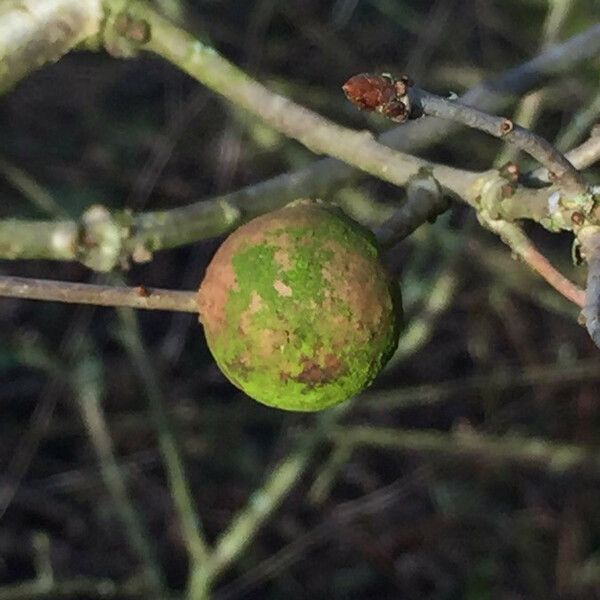
Plant Overview
Known as the "Velvet Corkwood," Commiphora mollis is a charismatic survivor of the African savanna. It belongs to the same botanical family as Frankincense and Myrrh, carrying that same aromatic, resinous soul within its silver-grey trunk. Its peeling, papery bark and soft-to-the-touch leaves make it a favorite for those looking to add a touch of wild, ancient texture to a landscape.
🔍 How to Identify
- 🍃 The Velvet Touch: The leaves are usually divided into three leaflets (trifoliate) and are covered in fine, soft hairs that give them a distinct velvety feel.
- 📜 Papery Bark: Its trunk features a beautiful silver-to-grey bark that peels away in thin, horizontal papery flakes, often revealing a green, photosynthesizing layer underneath.
- 💧 Resinous Scent: If a leaf is crushed or the bark is nicked, it releases a pleasant, spicy, or turpentine-like aroma typical of the Commiphora genus.
- 🌵 Rugged Architecture: The branches are stiff and sometimes end in spine-like tips, giving the plant a rugged, sculptural appearance during the dry season when it drops its leaves.
🏡 In Your Garden
- 🌳 The Living Fence: In its native habitat, this tree is famous for its ability to grow from "truncheons" (large branch cuttings). If you stick a sturdy branch in the ground, it will often take root, making it a historic choice for "living fences."
- ☀️ Drought Specialist: Because it stores moisture in its thick, succulent-like trunk, it hates "wet feet." It requires extremely well-draining soil and is a perfect candidate for xeriscaping or rock gardens.
- ✂️ Bonsai Potential: Due to its naturally gnarled growth habit and the way its bark textures with age, it is a highly prized species for succulent bonsai enthusiasts.
⚠️ Safety & Toxicity
- 🟢 General Status: Commiphora mollis is generally considered non-toxic to humans and common household pets.
- 🧪 Resin Sensitivity: While not poisonous, the sap (resin) can be quite sticky and may cause mild skin irritation or "contact dermatitis" in people with sensitive skin.
- 🦴 Spine Caution: Be careful when pruning or handling, as the branch tips can be sharp enough to cause minor punctures or scratches.
✨ Fun Fact
This plant is a close cousin to the trees that produce Myrrh (Commiphora myrrha). While C. mollis isn't the primary source of commercial myrrh, its resin has been used for centuries in traditional African medicine and as a natural adhesive for fixing spearheads to shafts!

Detailed Care Instructions
To grow a Commiphora Mollis plant, also known as the kernel tree or velvet corkwood, follow these steps:
- Choose a location: Commiphora Mollis thrives in full sunlight, so select a spot that receives direct sunlight for at least 6-8 hours a day. Ensure that the soil is well-draining.
- Prepare the soil: Before planting, prepare the soil by removing any weeds or other plants. Loosen the soil and mix in some organic matter like compost to improve its fertility and drainage.
- Propagation: Commiphora Mollis can be grown from seeds or cuttings. If using seeds, sow them in well-draining potting mix about half an inch deep. Keep the soil moist until seed germination occurs.
- Watering: Water the plant regularly, keeping the soil moist but not waterlogged. Commiphora Mollis prefers slightly dry conditions, so avoid overwatering.
- Pruning: Prune the plant to maintain its shape and promote bushiness. Remove any dead, damaged, or diseased branches. Pruning also helps to control the size of the plant.
- Fertilization: Apply a balanced organic fertilizer during the growing season. Follow the instructions on the fertilizer packaging for application rates.
- Mulching: Mulch the soil around the base of the plant with organic matter like wood chips or bark. This helps retain moisture, suppresses weeds, and keeps the soil temperature stable.
- Pest and disease control: Pests and diseases are not commonly an issue with Commiphora Mollis. However, monitor the plant for any signs of infestation or disease, and treat accordingly if necessary.
- Winter care: Commiphora Mollis is generally hardy in USDA zones 10-12. If you live in a colder region, you may need to bring the plant indoors or provide protection from frost during winter.
- Patience: Commiphora Mollis is a slow-growing plant, so be patient with its growth. It may take several years for the plant to reach its full size.
By following these guidelines, you should be able to successfully grow a Commiphora Mollis plant.

Place in a bright room that is sun drenched almost all day. Or directly in a south-facing window.

Watering Commiphora Mollis requires a delicate balance. The soil should be kept lightly moist during the growing season, without being saturated. Overwatering can lead to root rot and other fungal diseases. During the winter months, when the plant is dormant, the soil should be allowed to dry out more between waterings. It is important to use a well-draining soil mix, and to water at the base of the plant rather than from overhead, to prevent water from accumulating in the joints of the plant. A slow, deep watering is preferable to frequent, shallow watering.
To fertilize this plant, apply a balanced fertilizer with an N-P-K ratio of 10-10-10 or 20-20-20 during the growing season. Use a diluted solution of the fertilizer and apply it to the soil around the base of the plant. Be careful not to apply too much fertilizer, as this can damage the plant. Water the plant before and after fertilizing.
Commiphora Mollis is a type of plant that requires well-draining soil. The soil should be sandy and loamy, with a slightly acidic to neutral pH level. It is recommended to mix in some organic matter such as peat moss or compost to improve the soil quality and ensure adequate nutrients for the plant's growth. It is important to avoid using heavy clay soils or those that retain too much moisture, as this can lead to root rot and other fungal diseases. Additionally, it is recommended to fertilize the soil with a low-nitrogen organic fertilizer, such as bone meal or blood meal, to promote healthy growth.
To propagate this plant, you will need to gather fresh seeds from a mature plant and plant them in well-drained soil. The seeds should be kept in a warm and moist environment until they germinate, which can take up to several weeks. Once the plants have germinated and are several inches tall, they can be transplanted into individual pots or directly into the ground. It is important to keep the soil moist and to protect the young plants from extreme temperatures. As the plant grows, it may produce suckers or offsets that can be divided and replanted to produce multiple plants. Overall, propagation of this plant requires patience and careful attention to ensure successful growth.








