Plant Overview
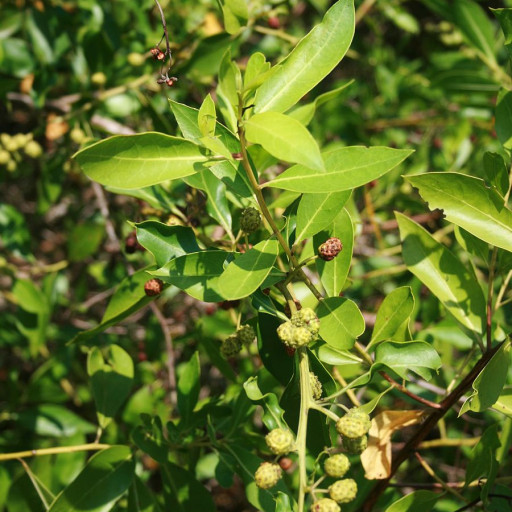
Known as the "Buttonwood" or "Sea Mulberry," Conocarpus erectus is a rugged coastal survivor that bridges the gap between the land and the sea. While it is often grouped with mangroves, it lacks the iconic "prop roots" of its cousins, preferring to stand tall on the edge of tropical shorelines. Whether shaped into a sleek privacy hedge or allowed to grow into a gnarled, sculptural tree, it brings an air of Caribbean salt-spray to any landscape.
🔍 How to Identify
- 🍃 The Foliage: Leaves are alternate and lance-shaped, with a smooth, leathery texture. You will likely see two distinct versions: the "Green" buttonwood with deep emerald leaves, and the highly popular "Silver" variety, which is covered in fine, silky hairs that shimmer in the sun.
- 🍩 The "Buttons": The plant gets its name from its distinctive fruit. These are small, round, reddish-brown clusters that look like vintage buttons or tiny pinecones hanging from the branch tips.
- 🪵 The Bark: The trunk is a work of art, featuring deeply fissured, grayish-brown bark that becomes increasingly textured and "shaggy" as the tree ages.
🏡 In Your Garden
- 🌊 Coastal Warrior: This plant is the gold standard for seaside gardens. It is exceptionally tolerant of salt spray and high winds, making it a living shield for more delicate plants behind it.
- ✂️ The Shape-Shifter: Gardeners love Buttonwood because it is incredibly forgiving of the shears. It can be tightly manicured into a formal hedge, trained as a multi-trunked focal tree, or even miniaturized into a stunning, hardy bonsai.
- ☀️ Sun and Space: While it is drought-tolerant once established, it thrives in full sun. It possesses a strong, non-invasive root system, but its wood is very dense and heavy—ensure you have enough space for its sturdy canopy to expand.
⚠️ Safety & Toxicity
- ✅ Pet and Child Safe: Conocarpus erectus is generally considered non-toxic to humans, dogs, and cats. It is a safe choice for family-friendly backyards.
- 🌿 Skin Sensitivities: While not poisonous, the silver variety has tiny hairs that can occasionally cause very mild skin irritation for sensitive individuals during heavy pruning. Wearing gloves is a simple fix.
✨ Fun Fact
The wood of the Buttonwood is so dense and burns so slowly that it was historically the preferred fuel for smoking fish and producing high-quality charcoal in the Florida Keys and the Caribbean!

Detailed Care Instructions
To grow Conocarpus erectus (also known as buttonwood or silver buttonwood), you can follow these steps:
- Obtain a healthy Conocarpus erectus plant from a reputable nursery or garden center. Make sure it is disease and pest-free.
- Select a planting location that receives full sunlight to partial shade. Conocarpus erectus can tolerate a wide range of soil types, including sandy and salty soils, but it prefers well-draining soil.
- Dig a hole that is wider and slightly deeper than the plant's root ball. Gently remove the plant from its container and place it in the hole, ensuring that the top of the root ball is level with the soil surface. Backfill the hole with soil and firmly press it down to eliminate air pockets.
- Water the newly planted Conocarpus erectus thoroughly to provide moisture to the roots. Afterward, water the plant regularly but avoid overwatering, as it can lead to root rot.
- Apply a layer of organic mulch, such as wood chips or compost, around the base of the plant. Mulch helps conserve moisture, suppress weed growth, and regulate soil temperature.
- Prune the plant as needed to maintain its desired shape and size. Conocarpus erectus has a natural rounded habit, but it can be pruned into hedges or topiary shapes. Pruning can be done in late winter or early spring before new growth begins.
- Fertilize the plant with a balanced slow-release fertilizer according to the manufacturer's instructions. Apply the fertilizer in early spring and again in mid to late summer.
- Monitor the plant for any signs of pests or diseases, such as scale insects or root rot. If necessary, treat the issues promptly using appropriate insecticides or fungicides.
- Conocarpus erectus is moderately drought-tolerant once established but will benefit from regular watering during dry periods. However, avoid waterlogging the soil.
With proper care and maintenance, your Conocarpus erectus plant should grow well and provide attractive foliage and habitat for wildlife.

Place in a bright room that is sun drenched almost all day. Or directly in a south-facing window.

To properly water this plant, you should begin by ensuring its soil is never too dry. When the top inch of soil feels dry to the touch, it's time to water. Slowly and evenly water the soil around the plant, being careful not to get water on the leaves or branches. It is recommended to use a soaker hose or drip irrigation system to deliver water directly to the roots and avoid moisture on the foliage. Watering should be done in the early morning or late afternoon to minimize evaporation and prevent the plant from being stressed by hot temperatures. Overall, consistent and precise watering is important to help this plant thrive.
To fertilize this plant, apply a complete granular fertilizer with equal parts nitrogen, phosphorus, and potassium to the soil around the base of the plant. Water thoroughly after application. Repeat fertilization every four to six weeks during the growing season. Avoid applying fertilizer during the winter months.
The soil suitable for the plant should be well-draining and fertile, with a balanced pH level. It should contain a blend of organic matter like compost, peat moss, or aged manure. The soil should not be too heavy or too sandy, and it should retain some moisture without becoming too soggy. The plant will do well with a soil mix that has good drainage properties, as it prefers moist but not wet conditions. It is recommended to use a blend of sand and loam with organic matter that provides nutrients and helps aeration. Additionally, the soil must be cleared of any debris, rocks, or grass before planting.
To propagate this plant, one can start by collecting mature seeds. The seeds can be sown in a well-draining soil mix and placed in a warm, sunny spot. The soil should be kept moist but not wet, and the seeds should germinate within a few weeks.
Alternatively, stem cuttings can be taken from the plant. The cutting should be about 6 inches long and taken from a healthy, vigorous stem. Remove any leaves from the bottom of the cutting and dip the cut end in rooting hormone. Place the cutting in a well-draining soil mix and keep it moist but not wet. Within a few weeks, roots should start to form and new growth will appear.
Another way to propagate this plant is through layering. Select a low-hanging branch and remove a section of bark. Apply rooting hormone to the exposed area and then bend the branch down to the ground. Secure the branch in place with a stake or rock. After a few months, roots should have formed and a new plant can be separated from the parent plant.








