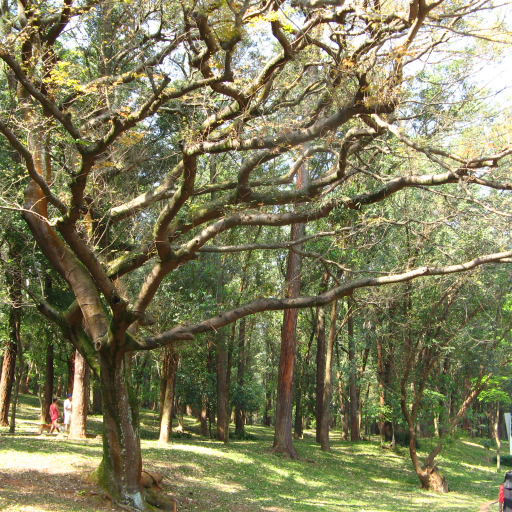
Plant Overview
Meet the "Diesel Tree," a botanical wonder native to the lush landscapes of Brazil and tropical South America. Known scientifically as Copaifera langsdorffii, this tree has gained international fame for its incredible ability to produce a resin that is chemically similar to diesel fuel. In its native habitat, it is a revered source of traditional medicine and a symbol of the rainforest's untapped potential.
🔍 How to Identify
- 🍃 The Foliage: Look for alternate, pinnate leaves with 2 to 4 pairs of leathery, oval-shaped leaflets that have a slight sheen.
- 🪵 The Bark: The trunk is typically straight and thick, covered in smooth, greyish-brown bark that may show "weeping" scars or dark patches where the precious resin has seeped out.
- 🌸 The Blooms: It produces small, white or cream-colored flowers arranged in branched clusters (panicles) that eventually give way to small, reddish-brown seed pods.
🏡 In Your Garden
- 🌱 Root Stability: Like many large tropical trees, the Diesel Tree develops a deep, aggressive taproot. It is notoriously difficult to transplant once established, so choose its "forever home" in your landscape very carefully.
- ☀️ Sun & Space: This is not a plant for small patios; it is a canopy-dweller that requires full sun and plenty of vertical room to reach its mature height, which can exceed 30 feet in cultivation.
- 💧 Drainage Needs: While it loves the humidity of the tropics, it cannot stand "wet feet." Ensure your soil is sandy or loamy and well-draining to mimic its natural riverside or woodland habitats.
⚠️ Safety & Toxicity
- 🧴 Skin Sensitivity: The raw oleoresin (Copaiba oil) is highly potent. While used in cosmetics, direct contact with the raw sap can cause contact dermatitis or skin irritation in sensitive individuals.
- 🐾 Pet Safety: While not categorized as highly toxic like some garden lilies, the ingestion of the leaves or concentrated resin can cause digestive upset in dogs and cats. Keep curious chewers away from young saplings.
- 🔥 Flammability: Because the resin is literally a hydrocarbon, the sap and wood are highly flammable. Avoid planting this tree too close to outdoor fire pits or barbecue areas.
✨ Fun Fact
The Copaifera langsdorffii is often called the "Gas Station Tree" because a single mature tree can be "tapped" like a maple tree to produce up to 10 gallons of oil in a single year—oil that is pure enough to be filtered and used directly in diesel engines!

Detailed Care Instructions
To grow a Copaifera Langsdorffii plant, also known as Copaiba Balsam or Copaiba Tree, you can follow these steps:
- Obtain seeds or saplings: You can purchase Copaifera Langsdorffii seeds or saplings from a reputable nursery or online seed suppliers.
- Choose a suitable planting location: Copaifera Langsdorffii is native to the Amazon rainforest, so it requires a warm and humid climate. It thrives in full sun or partial shade and well-draining soil. Ensure that the location provides enough space for the tree to grow to its full potential.
- Planting seeds: If starting from seeds, soak them in water overnight to enhance germination. Sow the seeds in pots or a nursery bed with a light potting mix, burying them about 1 inch deep. Keep the soil moist and warm, preferably around 75°F (24°C). Germination can take several weeks to months.
- Transplanting saplings: If starting with saplings, dig a hole twice as wide and deep as the root ball. Place the sapling in the hole at the same level it was previously planted, ensuring that the roots are free from tangles. Fill the hole with soil, gently firming it around the tree. Water the newly transplanted sapling thoroughly.
- Watering and fertilizing: Keep the soil consistently moist but not waterlogged. Water deeply and provide water whenever the soil feels dry. Avoid overwatering, as excessive moisture can cause root rot. Fertilize the tree with a balanced, slow-release organic fertilizer once or twice a year, following the product instructions.
- Pruning and training: As the tree grows, you may need to prune to shape it or remove any dead or damaged branches. Pruning can also help increase air circulation and sunlight penetration. It is advisable to prune during the dormant season.
- Protection and maintenance: Protect young plants from frost or extreme cold weather by covering them or bringing them indoors temporarily. Mulching around the base of the tree can help retain moisture and suppress weed growth. Regularly inspect the tree for pests and diseases, taking appropriate measures if required.
Remember that Copaifera Langsdorffii is a large tree that can grow up to 80 feet in height, so ensure you have enough space for it to reach its full development. Additionally, consult local regulations and guidelines regarding planting trees, as some areas may have specific rules or restrictions.
To water this plant, you should first check the soil moisture using a moisture meter or by sticking your finger into the soil about an inch deep. If the soil feels dry, it's time to water. When watering, use room temperature water and pour it slowly onto the soil until it starts draining out of the drainage holes at the bottom of the pot. Make sure to water the entire soil surface evenly and avoid getting water on the leaves as this can lead to leaf spots and other issues. During the growing season, water more frequently to keep the soil moist, but be careful not to overwater as this can lead to root rot. In the winter months, reduce watering since the plant is in a dormant phase and will not require as much water.
To properly fertilize this plant, you should first understand its nutrient needs. It requires a balanced fertilizer with equal parts nitrogen, phosphorus, and potassium (NPK). During the growing season, fertilize every two weeks with a liquid NPK fertilizer diluted to half strength. Apply the fertilizer around the base of the plant and then water thoroughly. Avoid over-fertilizing as this can lead to burnt roots or foliage. In the dormant season, cut back on fertilizing to once a month. Always follow the instructions on the fertilizer packaging and adjust the amount based on the size of your plant.
The ideal soil for this plant should be a well-draining mix of organic matter and mineral particles. It should have a pH level of around 6.0-7.5 and be slightly acidic to neutral. The soil should be loose and allow for ample airflow to the plant's roots. Good drainage is critical, and the soil should not retain water for long periods. The addition of compost, peat moss, perlite, or vermiculite to the soil mix can improve its structure and fertility. It is essential to avoid using heavy clay soils or soils that are too sandy as they can lead to poor plant growth.
To propagate this plant, take stem cuttings from healthy, mature plants. The stem cuttings should be at least 4-6 inches long and have 2-3 nodes. Remove the lower leaves and dip the cut end in rooting hormone. Plant the cuttings in a well-draining potting mix and cover with a plastic bag to create a humid environment. Place in bright, indirect light and keep the soil moist but not waterlogged. After 4-6 weeks, check for root growth by gently tugging on the stem. Once roots have formed, transplant the new plants to larger pots or outdoors in a suitable growing location.








