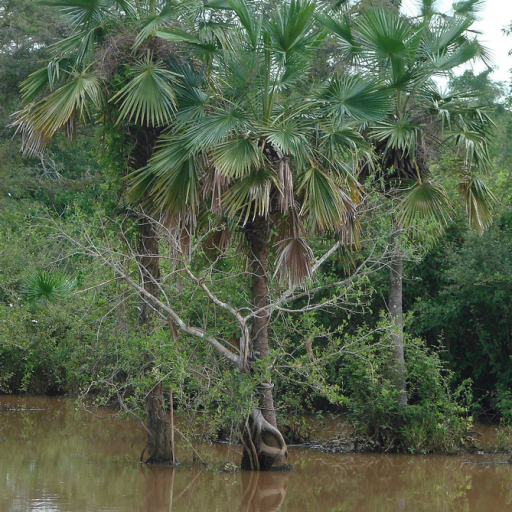
Plant Overview
Known as the Llanos Fan Palm or the Maguay Palm, this resilient survivor hails from the sun-drenched plains of Colombia and Venezuela. Its Latin name, tectorum, literally translates to "of roofs," honoring its historical role as a primary source of durable thatching material for traditional homes. It is a slow-growing but incredibly sturdy palm that brings a structural, architectural elegance to any tropical landscape.
🔍 How to Identify
- 🍃 Fan-Shaped Fronds: The leaves are stiff, deeply divided, and palmate (fan-like), often displaying a distinctive dusty, grayish-green hue that helps them reflect intense sunlight.
- 🦴 Woven Trunk Texture: In its younger years, the trunk is covered in a beautiful, "criss-cross" pattern of old leaf bases (petioles) that remain attached for many years.
- ⚔️ Saw-Toothed Stems: The leaf stalks are heavily "armored" with sharp, dark teeth along the edges, serving as a natural defense mechanism.
🏡 In Your Garden
- ☀️ Light Enthusiast: This palm is a true sun-worshipper. It requires full, direct light to maintain its compact, stiff leaf structure; in shade, it may become leggy and weak.
- 🏜️ Drought & Flood Specialist: In its native habitat, it survives both seasonal flooding and extreme dry spells. Once established, it is exceptionally drought-tolerant due to its deep, searching root system.
- 🪴 Slow & Steady: Because it grows slowly, it is an excellent choice for containers or small garden spots where you don't want a plant to take over the space quickly.
⚠️ Safety & Toxicity
- 🌵 Physical Hazard: While the plant is not chemically toxic to humans or animals, the spines on the leaf stalks are very sharp. They can cause painful scratches or puncture wounds.
- 🐾 Pet Safety: It is generally considered non-toxic if accidentally licked or nibbled, but the fibrous, stiff leaves can cause mild stomach upset if ingested by curious pets.
- 🧤 Handling Tip: Always wear thick gardening gloves and long sleeves when pruning or moving this palm to avoid "palm-leaf dermatitis" from the sharp edges.
✨ Fun Fact
The leaves of the Copernicia tectorum are so naturally waxy and water-resistant that a well-crafted thatched roof made from them can last for over 20 years without needing a single repair!

Detailed Care Instructions
Growing Copernicia tectorum, commonly known as Ouricury, is very rewarding as it's a remarkable palm tree known for its fan-shaped leaves and resilience. Here's a step-by-step guide to cultivating this beautiful plant:
1. Obtaining Seeds or Seedlings
- Seeds: Purchase fresh seeds from a reliable supplier. Fresh seeds have a higher germination rate.
- Seedlings: If you prefer, buy healthy seedlings or young plants from a nursery.
2. Preparing the Planting Site
- Climate: Copernicia tectorum thrives in tropical and subtropical climates. It is hardy and can tolerate dry conditions.
- Soil: Well-draining soil is essential. Sandy loam or a mixture of garden soil with sand is ideal. Avoid heavy clay soils that retain water.
- Light: Full sun exposure is optimal as the plant loves sunlight.
3. Germinating Seeds
- Soak Seeds: Soak the seeds in warm water for 24-48 hours to soften the seed coat and facilitate germination.
- Sow Seeds: Plant the seeds about 1 inch deep in a seed-starting mix or sandy soil. Maintain consistent moisture without waterlogging the soil.
- Environment: Keep the soil warm (around 30°C or 86°F). You can use a seedling heat mat to achieve this temperature.
- Germination Time: Patience is key; germination can take several weeks to a few months.
4. Transplanting Seedlings
- Timing: Transplant when seedlings have at least two to three established leaves.
- Spacing: Prepare holes in your desired location, ensuring they are spaced according to how large you expect the palms to grow (typically 8-10 feet apart for landscape purposes).
- Planting: Transplant seedlings carefully to avoid root damage. Water them immediately after planting.
5. Care and Maintenance
- Watering: Regular watering is crucial, especially during the first few years. Ensure the soil stays moist but not waterlogged. Once established, the palm is drought-tolerant.
- Mulching: Apply mulch around the base to retain soil moisture and control weeds.
- Fertilizing: Use a balanced, slow-release fertilizer formulated for palm trees. Apply according to the product instructions, typically every 3-4 months during the growing season.
- Pruning: Remove dead or damaged fronds as needed to maintain a tidy appearance and promote healthy growth.
6. Pests and Diseases
- Common Pests: Watch for common pests like scale insects and mites. Treat infestations with appropriate insecticides or horticultural oils.
- Diseases: Ensure good air circulation and avoid overhead watering to prevent fungal diseases.
7. Overwintering (if applicable)
- If you're growing in a region with colder winters, consider potting the palm so it can be moved indoors or to a greenhouse during the coldest months. Ensure it receives adequate light and maintain moderate watering indoors.
By following these steps, you'll be well on your way to growing a healthy and beautiful Copernicia tectorum. Enjoy the process and the eventual stunning appearance of your palm!
Watering Copernicia tectorum requires careful attention to mimic its natural habitat conditions. Here are detailed guidelines:
- Soil Moisture: Consistently moist but well-draining soil is ideal. It is important to avoid waterlogged conditions as they can cause root rot.
- Watering Schedule:
- Growing Season: During the active growing season, which typically spans from spring to early fall, water the plant more frequently. Depending on your climate, watering once or twice a week should suffice. Ensure the top few inches of soil dry out between waterings.
- Dormant Season: In the winter months, reduce the watering frequency significantly. Water only enough to keep the soil from completely drying out, approximately once a month.
- Growing Season: During the active growing season, which typically spans from spring to early fall, water the plant more frequently. Depending on your climate, watering once or twice a week should suffice. Ensure the top few inches of soil dry out between waterings.
- Watering Method:
- Use a watering can or a hose with a gentle spray to avoid disturbing the soil around the base.
- Water deeply to ensure that moisture reaches the root zone.
- Apply water slowly and evenly around the base of the plant, not just at the stem, to encourage deep root growth.
- Use a watering can or a hose with a gentle spray to avoid disturbing the soil around the base.
- Environmental Conditions:
- Humidity: While it thrives in higher humidity, direct overhead watering is not necessary. Instead, focus on soil moisture.
- Rainfall: Adjust your watering routine based on natural rainfall. In periods of frequent rain, reduce supplemental watering to prevent overwatering.
- Humidity: While it thrives in higher humidity, direct overhead watering is not necessary. Instead, focus on soil moisture.
- Special Considerations:
- Container Plants: If growing in a pot, ensure it has drainage holes. Potted plants may need more frequent watering as containers can dry out more quickly than garden beds.
- Mulching: Applying a layer of mulch around the base can help retain soil moisture and reduce the frequency of watering.
- Container Plants: If growing in a pot, ensure it has drainage holes. Potted plants may need more frequent watering as containers can dry out more quickly than garden beds.
- Monitoring:
- Regularly check the soil moisture using your finger. If the top 1-2 inches of soil feels dry, it's time to water.
- Watch for signs of underwatering (e.g., wilting, browning leaves) or overwatering (e.g., yellowing leaves, softened stems).
By paying careful attention to these watering details, you can maintain a healthy and vibrant Copernicia tectorum plant.
- Regularly check the soil moisture using your finger. If the top 1-2 inches of soil feels dry, it's time to water.
To fertilize Copernicia tectorum effectively, follow these guidelines:
- Fertilizer Type: Use a balanced, slow-release fertilizer with a formula such as 8-8-8, 10-10-10, or a specialized palm fertilizer.
- Frequency: Fertilize this plant three to four times a year. The best times to apply fertilizer are early spring, early summer, mid-summer, and early fall.
- Application: Spread the fertilizer evenly over the soil surface around the base of the plant, extending from the trunk to the outer edge of the canopy. Be careful not to let the fertilizer touch the trunk directly to avoid burning it.
- Watering: After applying the fertilizer, water the area thoroughly to help dissolve the nutrients and carry them down to the root zone.
- Dosage: Follow the manufacturer's instructions for dosage based on the size and age of the plant. Generally, 1 to 2 pounds of fertilizer per 100 square feet of soil surface is adequate.
- Soil Testing: Conduct a soil test periodically to determine nutrient deficiencies or excesses. Adjust the fertilization regimen accordingly based on the test results.
- Additional Amendments: If magnesium or potassium deficiencies are noted, you may need to supplement with specific amendments like Epsom salts (magnesium sulfate) or potassium sulfate.
- Observation: Monitor the plant for signs of nutrient deficiencies or toxicities, such as yellowing leaves or stunted growth, and adjust the fertilization schedule as needed.
By following these guidelines, you should be able to maintain healthy growth and development for your Copernicia tectorum.
Copernicia tectorum thrives best in well-draining, sandy soils. It's advantageous to ensure the soil mimics its natural habitat, which typically involves a mix that is not overly rich but allows for efficient water drainage. Here's a detailed guide on the soil components:
- Sand: A high proportion of sand is vital, as it enhances drainage and prevents waterlogging, a condition Copernicia tectorum is particularly sensitive to.
- Perlite or Pumice: These materials can be added to further improve aeration and drainage.
- Organic Matter: While not overly necessary, a small amount of organic matter like peat moss or compost can be mixed in to provide essential nutrients without compromising the drainage properties.
- pH Level: Aim for a slightly acidic to neutral pH, around 6.0 to 7.5, to ensure optimal nutrient availability and uptake.
- Mulch: In its natural setting, the plant benefits from a top layer of leaf litter or other organic mulch, which helps retain moisture without waterlogging and keeps the roots cool.
By focusing on these components, you can create a soil environment that supports the healthy growth of Copernicia tectorum, mimicking its natural ecosystem requirements.
Propagating Copernicia tectorum, a palm species, can be a rewarding endeavor. Here’s a detailed guide on how to do it:
Propagation by Seeds
- Seed Collection:
- Collect ripe seeds from mature fruits. The seeds should be dark and hard.
- Collect ripe seeds from mature fruits. The seeds should be dark and hard.
- Seed Preparation:
- Clean the seeds to remove any remaining fruit pulp, which might inhibit germination.
- Soak seeds in warm water for 24-48 hours to soften the seed coat and enhance germination rates.
- Clean the seeds to remove any remaining fruit pulp, which might inhibit germination.
- Sowing the Seeds:
- Use a well-draining potting mix, preferably a mix of sand, peat, and perlite.
- Plant seeds about ½ inch deep in the soil.
- Space seeds adequately to prevent overcrowding.
- Use a well-draining potting mix, preferably a mix of sand, peat, and perlite.
- Germination Conditions:
- Place the pot in a warm, sunny location. Ideal temperatures for germination range from 75°F to 85°F (24°C to 29°C).
- Keep the soil consistently moist but not waterlogged. Overwatering can lead to seed rot.
- Place the pot in a warm, sunny location. Ideal temperatures for germination range from 75°F to 85°F (24°C to 29°C).
- Care During Germination:
- It can take several weeks to months for seeds to germinate. Be patient and maintain consistent soil moisture and light conditions.
- Once germination occurs, and the seedlings become robust enough, they can be transplanted into individual pots.
Transplanting Seedlings
- It can take several weeks to months for seeds to germinate. Be patient and maintain consistent soil moisture and light conditions.
- Initial Transplant:
- Transplant young seedlings into larger pots as they develop several leaves. Handle them carefully to avoid damaging roots.
- Use a potting mix similar to the seed germination mix, ensuring good drainage.
- Transplant young seedlings into larger pots as they develop several leaves. Handle them carefully to avoid damaging roots.
- Transitioning to Outdoor Environment:
- Gradually acclimate the young plants to outdoor conditions by slowly increasing their exposure to direct sunlight.
- Continue to water regularly, allowing the soil to dry slightly between watering.
Planting Outdoors
- Gradually acclimate the young plants to outdoor conditions by slowly increasing their exposure to direct sunlight.
- Choosing a Location:
- Select a sunny location with well-draining soil. Copernicia tectorum thrives in full sun and does not tolerate waterlogged conditions.
- Select a sunny location with well-draining soil. Copernicia tectorum thrives in full sun and does not tolerate waterlogged conditions.
- Soil Preparation:
- Amend the soil with sand or other materials to enhance drainage if necessary.
- Amend the soil with sand or other materials to enhance drainage if necessary.
- Planting:
- Dig a hole twice the size of the root ball.
- Place the plant in the hole, ensuring the top of the root ball is level with the soil surface.
- Backfill with soil and gently compact to eliminate air pockets.
Ongoing Care
- Dig a hole twice the size of the root ball.
- Watering:
- Water regularly, especially during dry periods. The soil should be kept moist but not saturated.
- Water regularly, especially during dry periods. The soil should be kept moist but not saturated.
- Fertilization:
- Use a balanced fertilizer in the growing season. Follow manufacturer guidelines to avoid over-fertilization, which can harm the plant.
- Use a balanced fertilizer in the growing season. Follow manufacturer guidelines to avoid over-fertilization, which can harm the plant.
- Protection from Harsh Conditions:
- Protect young plants from extreme weather conditions such as strong winds and frost. Mulching can help maintain soil moisture and temperature.
- Protect young plants from extreme weather conditions such as strong winds and frost. Mulching can help maintain soil moisture and temperature.
- Pruning:
- Remove dead or damaged fronds to maintain plant health. Avoid cutting green fronds as they are vital for photosynthesis.
By following these detailed steps, you can effectively propagate and grow Copernicia tectorum, enjoying the unique qualities and beauty it brings to your garden or landscape.
- Remove dead or damaged fronds to maintain plant health. Avoid cutting green fronds as they are vital for photosynthesis.








