Plant Overview
Known as Kirk’s Coprosma, this resilient New Zealand native is a natural hybrid that acts like a "living carpet" for your landscape. It is a cross between the rugged Coprosma acerosa and the glossy Coprosma repens, inheriting the best of both worlds: extreme toughness and a polished, professional look. Whether it’s tumbling over a stone wall or filling in a gap where nothing else will grow, this plant is the ultimate problem-solver for coastal and modern gardens alike.
🔍 How to Identify
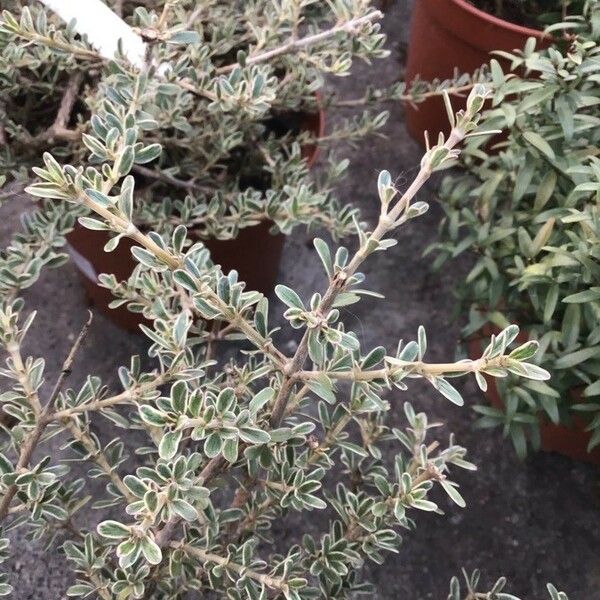
- 🍃 The Foliage: Look for small, narrow, lance-shaped leaves that are leathery to the touch. They usually have a soft, grey-green hue, though variegated versions with creamy white edges are very common.
- 📏 Growth Habit: This is a low-growing, prostrate shrub. It forms a dense, mounding mat that rarely exceeds two feet in height but can spread several feet wide.
- 🌿 The Stems: Its branches are stiff and intertwining, often creating a "wiry" look that makes the plant nearly impenetrable to weeds once established.
🏡 In Your Garden
- 🌊 Coastal Warrior: This plant is famous for its "salt-tooth." Because it evolved near the New Zealand coastline, it can handle salt spray and harsh winds that would wither most other garden plants.
- ✂️ Low-Maintenance Shaping: Unlike its parent C. repens, which can get leggy, Kirkii stays compact. It’s perfect for "set it and forget it" landscaping, though it responds beautifully to a light trim if you want to keep it in a formal shape.
- 🧱 Erosion Control: Its dense root system and spreading habit make it an excellent choice for stabilizing sloping banks or sandy soil where water runoff is a concern.
⚠️ Safety & Toxicity
- 🟢 Safe Status: Coprosma × Kirkii is generally considered non-toxic to humans and common household pets.
- 🐾 Mild Caution: While not poisonous, the small berries that occasionally appear can cause very mild stomach upset in curious puppies or toddlers if consumed in large quantities. The plant is best enjoyed visually rather than as a snack!
✨ Fun Fact
The genus name Coprosma literally translates from Greek as "smelling like dung," referring to the pungent odor released by the crushed leaves of some specific species. Luckily, Kirk’s Coprosma is much more polite and lacks this "fragrance," making it a much better neighbor for your patio!

Detailed Care Instructions
Growing Coprosma × kirkii, also known as Kirks coprosma, can be a rewarding experience due to its attractive, glossy foliage and low maintenance requirements. Here are the steps to grow this plant successfully:
1. Location and Climate
- Climate: Coprosma × kirkii is native to New Zealand and thrives in temperate climates. It can tolerate mild frost but prefers areas without harsh winters.
- Sunlight: It grows best in full sun to partial shade. Choose a site that gets at least 4-6 hours of sunlight daily.
2. Soil
- Type: This plant prefers well-draining soil. Sandy loam or soil mixed with organic matter works well.
- pH Level: Neutral to slightly acidic soil (pH 6.0-7.0) is ideal.
3. Planting
- Timing: Plant in spring or early autumn when the soil is warm.
- Spacing: If planting multiple coprosmas, space them 2-3 feet apart to allow room for growth.
- Process:
- Dig a hole twice the size of the root ball.
- Place the plant in the hole at the same depth it was in the pot.
- Backfill with the excavated soil and gently firm it around the base.
- Water well after planting.
4. Watering
- Dig a hole twice the size of the root ball.
- Initial Watering: Keep the soil consistently moist but not waterlogged during the first growing season to establish a strong root system.
- Established Plants: Once established, Coprosma × kirkii is quite drought-tolerant. Water deeply but infrequently, allowing the soil to dry out slightly between watering.
5. Mulching
- Apply a 2-3 inch layer of organic mulch (like bark chips or compost) around the base of the plant to retain moisture and suppress weeds.
6. Fertilizing
- Coprosma × kirkii does not require heavy feeding. In spring, you can apply a balanced slow-release fertilizer if necessary.
7. Pruning and Maintenance
- Pruning: Light trimming after flowering will help maintain the shape and encourage bushier growth. Remove any dead or damaged branches.
- Pests and Diseases: This plant is generally pest-resistant but watch for common garden pests like aphids or scale. Treat with appropriate organic or chemical controls if necessary.
8. Propagation
- Cuttings: Take semi-hardwood cuttings in late summer to early autumn. Dip the cut end in rooting hormone and plant in a sterile potting mix. Keep it moist and in a shaded area until roots develop.
- Seeds: This method is less common and more challenging, but you can sow seeds in spring in a cold frame or under glass.
9. Winter Care
- In colder climates, consider mulching heavily around the base to protect the roots, and cover with garden fleece if necessary to protect from winter frost.
By following these steps, you should be able to grow a healthy Coprosma × kirkii plant that will enhance your garden with its attractive foliage and ease of care.
Watering Coprosma × kirkii, a resilient and visually appealing shrub, requires adherence to a few key guidelines to ensure its health and vibrancy. Here are detailed instructions for maintaining optimal moisture levels for this plant:
- Initial Watering After Planting:
- When you first plant it, give it a thorough initial watering to help it establish its roots. Ensure the water reaches the root zone.
- When you first plant it, give it a thorough initial watering to help it establish its roots. Ensure the water reaches the root zone.
- Establishment Period:
- During the first few weeks after planting, keep the soil consistently moist but not waterlogged. Water it regularly, aiming for about twice a week, depending on your local climate and soil type.
- During the first few weeks after planting, keep the soil consistently moist but not waterlogged. Water it regularly, aiming for about twice a week, depending on your local climate and soil type.
- Watering Frequency:
- Once established, the plant is moderately drought-tolerant. Water it less frequently but still give it a deep watering every 1-2 weeks during dry periods. Allow the top inch of soil to dry out between waterings to prevent overwatering.
- Once established, the plant is moderately drought-tolerant. Water it less frequently but still give it a deep watering every 1-2 weeks during dry periods. Allow the top inch of soil to dry out between waterings to prevent overwatering.
- Soil and Drainage:
- Ensure the soil has good drainage to prevent root rot. Sandy or loamy soils are preferable. If your soil is heavy clay, consider amending it with organic matter or creating raised beds to improve drainage.
- Ensure the soil has good drainage to prevent root rot. Sandy or loamy soils are preferable. If your soil is heavy clay, consider amending it with organic matter or creating raised beds to improve drainage.
- Mulching:
- Apply a layer of organic mulch around the base of the plant. This helps retain moisture in the soil, regulate temperature, and reduce the frequency of watering. Ensure the mulch is kept away from the stem to prevent rot.
- Apply a layer of organic mulch around the base of the plant. This helps retain moisture in the soil, regulate temperature, and reduce the frequency of watering. Ensure the mulch is kept away from the stem to prevent rot.
- Climate Considerations:
- In cooler climates, the plant will require less frequent watering, particularly during the dormant winter months. In warmer climates, you may need to adjust the frequency, especially during prolonged heatwaves or dry spells.
- In cooler climates, the plant will require less frequent watering, particularly during the dormant winter months. In warmer climates, you may need to adjust the frequency, especially during prolonged heatwaves or dry spells.
- Signs of Water Stress:
- Monitor the plant for signs of water stress. Wilting, yellowing leaves, or leaf drop can indicate both under and overwatering. Adjust your watering routine accordingly if you notice these symptoms.
- Monitor the plant for signs of water stress. Wilting, yellowing leaves, or leaf drop can indicate both under and overwatering. Adjust your watering routine accordingly if you notice these symptoms.
- Container Growing:
- If growing in a container, ensure the pot has adequate drainage holes. Container plants may require more frequent watering since they dry out faster than those in the ground. Check the moisture level regularly and water when the top inch of soil feels dry.
By following these guidelines, you’ll be able to provide the appropriate amount of water to keep your Coprosma × kirkii thriving and healthy.
- If growing in a container, ensure the pot has adequate drainage holes. Container plants may require more frequent watering since they dry out faster than those in the ground. Check the moisture level regularly and water when the top inch of soil feels dry.
Fertilizing Coprosma × Kirkii involves a few simple steps to ensure the plant remains healthy and vibrant. Here’s a guide:
- Timing:
- Apply fertilizer during the active growing season, typically from spring to early fall. Avoid fertilizing during the winter when the plant is not actively growing.
- Apply fertilizer during the active growing season, typically from spring to early fall. Avoid fertilizing during the winter when the plant is not actively growing.
- Type of Fertilizer:
- Use a balanced, all-purpose fertilizer, such as one with an N-P-K ratio of 10-10-10 or 14-14-14. For organic options, consider using compost or a well-balanced organic fertilizer.
- Use a balanced, all-purpose fertilizer, such as one with an N-P-K ratio of 10-10-10 or 14-14-14. For organic options, consider using compost or a well-balanced organic fertilizer.
- Application Rate:
- Follow the instructions on the fertilizer package to determine the appropriate amount. Typically, for granular fertilizer, you'll scatter it evenly around the base of the plant, keeping it away from the stem to prevent burning.
- For liquid fertilizer, dilute according to the package recommendations and apply it directly to the soil around the plant.
- Follow the instructions on the fertilizer package to determine the appropriate amount. Typically, for granular fertilizer, you'll scatter it evenly around the base of the plant, keeping it away from the stem to prevent burning.
- Method:
- Granular Fertilizer: Lightly rake the fertilizer into the top 1-2 inches of soil, and water thoroughly to help the nutrients penetrate the soil.
- Liquid Fertilizer: Apply the diluted solution evenly around the root zone, ensuring it reaches the soil.
- Granular Fertilizer: Lightly rake the fertilizer into the top 1-2 inches of soil, and water thoroughly to help the nutrients penetrate the soil.
- Frequency:
- Apply granular fertilizer every 6-8 weeks during the growing season.
- Liquid fertilizers are usually applied more frequently, about every 4 weeks, but always follow the package instructions.
- Apply granular fertilizer every 6-8 weeks during the growing season.
- Watering:
- Ensure the soil is moist before applying fertilizer to prevent root burn. After application, water the plant thoroughly to help distribute the nutrients.
- Ensure the soil is moist before applying fertilizer to prevent root burn. After application, water the plant thoroughly to help distribute the nutrients.
- Monitoring:
- Observe the plant for any signs of nutrient deficiency, such as yellowing leaves or stunted growth. Adjust fertilization accordingly, but avoid over-fertilizing, which can lead to nutrient burn and other issues.
By following these steps, you can help maintain the health and vigor of your Coprosma × Kirkii plant.
- Observe the plant for any signs of nutrient deficiency, such as yellowing leaves or stunted growth. Adjust fertilization accordingly, but avoid over-fertilizing, which can lead to nutrient burn and other issues.
Coprosma × Kirkii needs well-draining soil that is rich in nutrients. The soil must have a pH level between 5.5 and 7.5, which is slightly acidic to slightly alkaline. The plant prefers loamy soil that is not too heavy and not too sandy, as it needs adequate moisture retention without becoming waterlogged. The soil should also be free of rocks, debris, and any other types of contaminants that can interfere with nutrient uptake and root growth. It is ideal to mix the soil with compost or other organic matter to improve its overall quality. Additionally, it is essential to ensure the proper drainage of excess water to prevent root rot.
Coprosma × kirkii is a popular evergreen groundcover known for its glossy foliage and adaptability. Propagating this plant can be achieved through either seed or vegetative methods such as cuttings. Here’s a detailed guide on how to propagate it through cuttings, which is the more common and reliable method:
Materials Needed:
- Healthy Coprosma × kirkii plant
- Sharp, sterilized pruning shears or a knife
- Rooting hormone (optional but recommended)
- Potting mix or propagation medium (a mix of perlite and peat moss works well)
- Small pots or trays
- Plastic bag or propagator lid (to maintain humidity)
Steps for Propagation via Cuttings:
1. Select Healthy Parent Plant:
Choose a healthy and vigorous plant from which to take your cuttings. The plant should be free from any pests or diseases.
2. Take Cuttings:
- Timing: The best time to take cuttings is during the growing season, typically in late spring or early summer.
- Cutting: Using sharp, sterilized shears or a knife, cut non-flowering stem sections about 10-15 cm (4-6 inches) long. The cut should be made just below a node (the point where leaf joins the stem).
3. Prepare Cuttings:
- Strip off the leaves from the lower one-third to one-half of the cutting. This prevents the leaves from rotting when inserted into the propagation medium.
- If desired, dip the cut end of the stem into rooting hormone powder or gel. This step increases the likelihood of successful rooting but is not strictly necessary.
4. Plant Cuttings:
- Fill small pots or trays with a well-draining propagation medium. A mix of perlite and peat moss provides good aeration and moisture retention.
- Make a hole in the medium with a pencil or stick, and insert the cutting into the hole deep enough so the stripped part of the stem is buried.
- Firm the medium around the cutting to ensure it remains upright.
5. Maintain Humidity:
- Water the cuttings lightly to settle the medium around the base.
- Cover the pots or trays with a plastic bag or a propagator lid to create a humid environment, which is critical for rooting success.
- Place the setup in an area with bright, indirect light. Avoid direct sunlight as it can overheat and dehydrate the cuttings.
6. Care for Cuttings:
- Check the cuttings regularly to ensure the medium remains moist but not waterlogged. A misting spray can be used to maintain humidity inside the cover.
- After a few weeks, gently tug on the cuttings to check for resistance, which indicates root formation. Once the cuttings have a well-developed root system, they can be transferred to individual pots or directly planted in the garden.
By following these detailed steps, you can successfully propagate Coprosma × kirkii and enjoy its attractive foliage in your garden or landscape.








