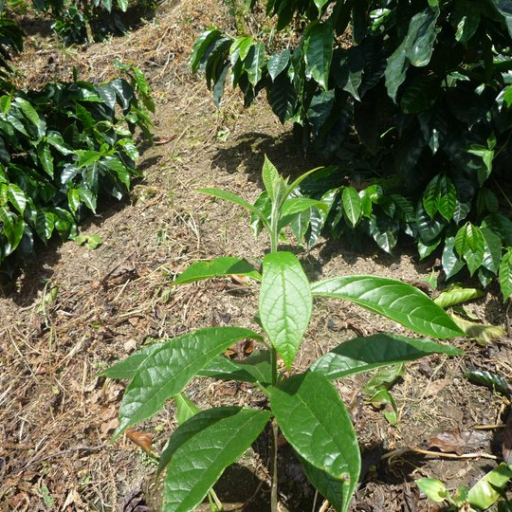
Plant Overview
Often called the Spanish Elm or Laurel Blanco, Cordia alliodora is a tropical powerhouse known for its snowy canopy of fragrant white flowers. Native to the warm regions of the Americas, it is a fast-growing "pioneer" tree that is one of the first to reclaim open land. Beyond its beauty, it is prized globally for its high-quality, spice-scented wood that resembles walnut.
🔍 How to Identify
- 🌸 The Blossoms: It produces massive, dense clusters of tiny, star-shaped white flowers. As they dry, they turn a papery brown and act like little parachutes, helping the seeds spin away on the wind.
- 🍃 The Foliage: The leaves are bright green, oval-shaped, and slightly rough to the touch. They grow in an alternate pattern along the branches.
- 🌳 The "Ant Swellings": One of the most unique identifiers is the presence of swollen, hollow nodes at the joints of young branches. These are often inhabited by small, protective ants.
🏡 In Your Garden
- ☀️ Sun Seeker: This tree is a true sun-lover. It requires full, direct light to thrive and will quickly outpace other plants to reach the canopy. It’s perfect for large properties where you need fast-growing shade.
- 🌱 Soil & Space: It prefers well-draining soil and does not handle "wet feet" (waterlogged roots) well. Because it can grow quite tall (reaching up to 60–100 feet in the wild), ensure it is planted far away from power lines or home foundations.
- 🦋 Pollinator Magnet: If you want to support local biodiversity, this tree is a goldmine. The honey-scented flowers are an irresistible buffet for bees, butterflies, and various beneficial insects.
⚠️ Safety & Toxicity
- ✅ Status: Generally non-toxic.
- ⚠️ Details: Cordia alliodora is not known to be poisonous to humans, dogs, or cats. However, because it has a symbiotic relationship with certain ant species, be cautious when pruning or climbing the tree, as the resident ants may defend their home with minor stings. Additionally, woodworkers should wear masks, as the fine sawdust can occasionally cause respiratory irritation.
✨ Fun Fact
The specific name alliodora actually means "garlic-scented." If you crush the inner bark or freshly cut the wood, it releases a distinct aroma reminiscent of garlic!

Detailed Care Instructions
To grow Cordia alliodora (also known as the tropical almond tree or capá), you can follow these steps:
- Choose the right location: Cordia alliodora requires a sunny spot with well-drained soil. Ensure that the location provides enough space for the tree to grow to its full potential.
- Propagate the tree: There are multiple ways to propagate Cordia alliodora. One common method is to collect fresh seeds and sow them in a nursery container filled with well-draining soil. The seeds should be planted 1-2 inches deep and kept consistently moist. Germination typically occurs within a few weeks.
- Transplant the seedlings: Once the seedlings have grown to a suitable size (approximately 8-12 inches), they can be transplanted into their permanent location outdoors. Ensure that the soil is prepared beforehand by loosening it and adding organic matter to improve drainage.
- Provide adequate water: Cordia alliodora requires regular watering, especially during dry spells. However, ensure that the soil is well-draining to prevent waterlogging, which can damage the roots.
- Mulch and weed control: Apply a layer of organic mulch around the base of the tree to help retain soil moisture and suppress weed growth. Keep the area around the tree free from competing weeds.
- Pruning and shaping: Cordia alliodora can be pruned to maintain its shape and encourage bushier growth. Prune any dead, damaged, or crossing branches. However, avoid heavy pruning as it can weaken the tree.
- Fertilization: Feed the tree with a balanced slow-release fertilizer in the early spring, following the manufacturer's instructions. This will provide essential nutrients for healthy growth.
- Pest and disease control: Monitor the tree regularly for any signs of pests or diseases. Common pests that may affect Cordia alliodora include aphids, mealybugs, and scale insects. Treat infestations promptly using appropriate insecticides or natural controls.
- Provide support: In the initial years, young Cordia alliodora trees may require support to stand upright against strong winds. Install stakes or provide other means of support until the tree develops a sturdy trunk.
- Patience: Growing Cordia alliodora requires patience, as it may take several years for the tree to reach its full height and produce significant shade. However, with proper care and nurturing, you can enjoy the beauty and benefits of this tree in your garden or landscape.

Place in a bright room that is sun drenched almost all day. Or directly in a south-facing window.

To water the plant, ensure that the soil is dry before watering. Water slowly and deeply, allowing the water to penetrate the roots. Avoid overwatering, as it can lead to root rot. Water only when necessary, and allow the soil to partially dry out between watering sessions. Ensure that the water is evenly distributed throughout the soil, and not just localized around the roots. Watering frequency may depend on factors such as the temperature and humidity of the environment, the soil type, and the amount of sunlight the plant receives.
To fertilize this plant, you can use a balanced fertilizer with similar amounts of nitrogen, phosphorus, and potassium. It is best to apply the fertilizer in the early spring or early summer when the plant is actively growing. You can apply about 2-3 pounds of fertilizer per 100 square feet of soil. Make sure to spread the fertilizer evenly around the plant, but avoid getting it on the leaves or stems. Water the plant thoroughly after fertilizing to help the nutrients reach the roots.
The ideal soil for Cordia Alliodora plant is well-draining and loamy with good organic content. It should be slightly acidic, with a pH range of 5.5-6.5. Avoid using heavy or clayey soils as they may retain water and lead to root rot. The soil should also provide sufficient nutrients, particularly nitrogen, phosphorus, and potassium. Adding compost or manure can help improve soil fertility. It is recommended to conduct a soil test to determine the nutrient composition and pH level before planting.
To propagate this plant, you will need to gather mature seeds from the plant. Once you have collected the seeds, you will need to soak them in water for at least 24 hours to loosen the seed coat. After soaking, plant the seeds in a well-draining soil mix, making sure to cover them with a thin layer of soil. Keep the soil moist, but not excessively wet, and place the container in a warm, well-lit area.
The seeds should begin to germinate within 2-4 weeks. Once the young plants have developed a few true leaves, you can transplant them into individual containers or into the ground. Take care when transplanting to avoid damaging the delicate roots of the young plants.
The new plants will require regular watering and fertilization to promote healthy growth. They will also benefit from some light pruning to encourage bushy growth. With proper care, your new Cordia Alliodora plants will grow into healthy, attractive specimens in no time.








