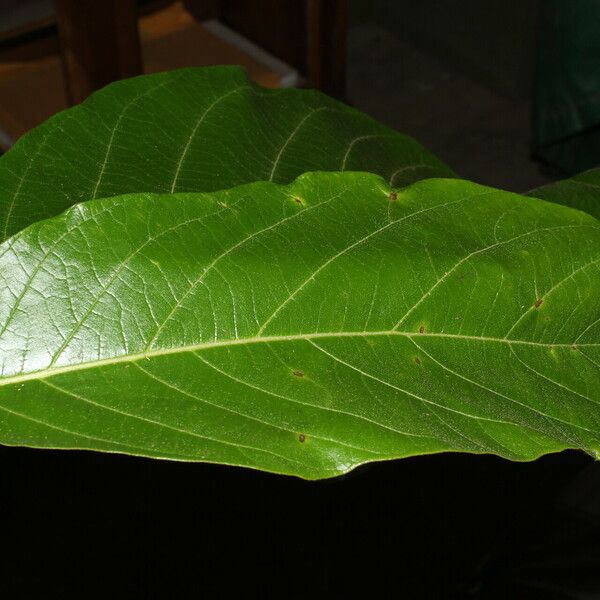
Plant Overview
Often found gracing the tropical landscapes of Central America and the Caribbean, Cordia cymosa is a resilient shrub known for its cloud-like clusters of delicate white flowers. While it may appear soft and ornamental, this plant is a rugged survivor, often acting as a pioneer species that reclaims disturbed soils and sun-drenched coastal edges.
🔍 How to Identify
- 🍃 Leaf Texture: The leaves are typically dark green and feel remarkably rough to the touch, similar to fine-grit sandpaper, which helps protect the plant from certain pests.
- ☁️ Cyme Flowers: It earns its name from its "cymes"—branching clusters of small, bell-shaped white flowers that bloom at the ends of the stems.
- 🌳 Growth Habit: It usually grows as a multi-stemmed shrub or a small, twiggy tree, reaching heights of 6 to 15 feet depending on the richness of the soil.
🏡 In Your Garden
- ☀️ Drought Warrior: Because it originates in seasonally dry tropical forests, this plant is incredibly drought-tolerant once established. It’s a "set it and forget it" choice for warm-climate gardeners.
- 🦋 Wildlife Magnet: The nectar-rich blooms are a massive draw for pollinators. In its native habitat, it is a critical food source for various species of butterflies, honeybees, and even tiny hummingbirds.
- 🌿 Soil Flexibility: It isn't picky about pH levels and can handle rocky or sandy soils where other plants might struggle with drainage issues.
⚠️ Safety & Toxicity
- ✅ Low Risk: Cordia cymosa is generally considered non-toxic to touch and is not known for causing skin irritation or "contact dermatitis."
- 🐾 Pet Safety: While not listed as a major toxin, the small berries produced after flowering should not be consumed by pets. Ingesting large quantities of wild berries can lead to mild stomach upset or lethargy in curious dogs or cats.
✨ Fun Fact
The Cordia genus is famous for its "sandpaper" leaves. In various cultures throughout history, the dried, abrasive leaves of these plants were actually used as a natural alternative to modern sandpaper to polish wood and scrub cooking gourds!

Detailed Care Instructions

Some plants require more regular watering than others, which should be done every few days. It's critical to maintain the soil moist all of the time. The water requirements of the same plant placed in pots with varying sizes will differ. Because the water in the smaller pot evaporates faster than the water in the larger pot, it will require more watering. Regardless of pot size, the surface should constantly be maintained moist.








