Plant Overview
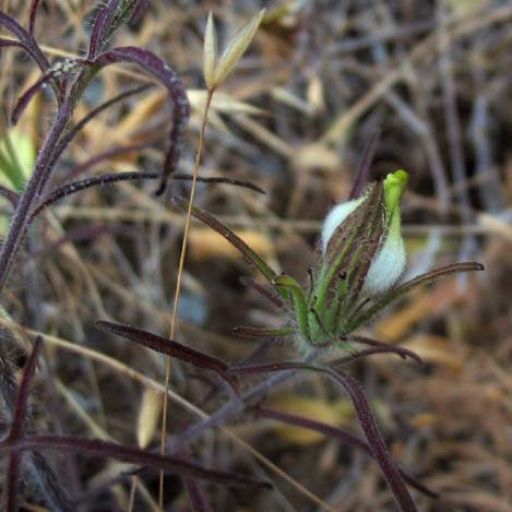
Often called the Stiff-branched Bird's Beak, this California native looks like a collection of tiny, colorful cranes peeking out from a wiry thicket. It is a fascinating "plant vampire"—a hemiparasite that steals water and minerals from the roots of neighboring plants while still maintaining its own green leaves for photosynthesis. It is a tough, specialized survivor of the dry chaparral and sage scrub.
🔍 How to Identify
- 🌿 Stiff Architecture: True to its name, the plant features very rigid, upright stems that branch out in a distinctively angular, "stiff" pattern.
- 🦜 Beak-Shaped Blooms: The flowers are tucked inside leafy bracts and have a curved upper lip that looks remarkably like the beak of a small bird, usually appearing in shades of cream, yellow, or purplish-maroon.
- 🍂 Thread-like Leaves: To save water in the heat, the leaves are extremely narrow and sparse, often turning a grayish-purple or dusty green as the season progresses.
🏡 In Your Garden
- 🤝 The Neighbor Factor: This isn't a plant you can easily grow in a lonely pot. It needs "host" plants, like Sagebrush or Manzanita, to thrive. It uses its roots to tap into the root systems of these neighbors for a boost of nutrients.
- ☀️ Drought Champion: It thrives in poor, rocky, or sandy soils where other plants might wither. It is perfectly adapted to the Mediterranean climate, requiring almost no supplemental water once its host is established.
⚠️ Safety & Toxicity
- 🛡️ Low Risk: Cordylanthus rigidus is generally considered non-toxic to humans and common household pets.
- 🖐️ Sticky Texture: The plant is covered in glandular hairs that can feel sticky or "tacky" to the touch. While not harmful, this resin can pick up dust and debris, which might irritate very sensitive skin.
✨ Fun Fact
The Bird's Beak is a master of "underground thievery." Its roots produce a specialized organ called a haustorium, which acts like a biological straw, piercing the roots of nearby plants to siphon off their resources!

Detailed Care Instructions
To grow Cordylanthus Rigidus, follow these steps:
- Germination: Start by collecting seeds from a reputable source or purchase them online. Scarify the seeds by rubbing them gently with sandpaper or nicking them with a sharp knife to help with water penetration. Soak the seeds in warm water overnight to further aid germination.
- Soil: Choose well-draining soil that is sandy or loamy. Cordylanthus Rigidus prefers slightly alkaline to neutral pH levels. Mix organic matter such as compost or well-rotted manure to enrich the soil.
- Planting: Sow the scarified seeds directly into the prepared soil in early spring when the last frost has passed. Plant the seeds ¼ inch deep and space them about 12 inches apart. Water the soil lightly after planting to settle the seeds.
- Sunlight: Cordylanthus Rigidus thrives in full sunlight. Ensure that the plants receive at least 6-8 hours of direct sunlight each day.
- Watering: While Cordylanthus Rigidus is drought-tolerant, it's important to ensure the soil remains slightly moist during the germination period. Once established, water the plants deeply but infrequently, allowing the soil to dry out between waterings.
- Maintenance: Remove any weeds or competing plants around the Cordylanthus Rigidus to avoid nutrient and water competition. Provide some support such as stakes or bamboo poles if necessary to help the plants grow upright.
- Fertilization: Cordylanthus Rigidus usually doesn't require heavy fertilization. However, you can apply a slow-release, balanced fertilizer in early spring to promote healthy growth.
- Pruning: Remove any dead or diseased portions of the plant to maintain its health and appearance. Prune any unruly growth after the flowering period to maintain a neat shape.
- Pollination: Cordylanthus Rigidus is pollinated by birds such as hummingbirds. By providing nectar-rich flowers nearby, you can attract these pollinators and enhance the chances of successful pollination for the plants.
- Harvesting seeds: At the end of the flowering season, allow some flowers to go to seed. Once the seed pods have dried and turned brown, collect them and store them in a cool, dry place until the next planting season.
Remember that Cordylanthus Rigidus is indigenous to California and may have specific growth requirements. Consult with local gardening experts or research resources specific to your region for the best results.

Cordylanthus Rigidus is a type of plant that requires regular watering for proper growth and development. When watering the plant, it is important to avoid over-watering as this can lead to root rot and other fungal diseases.
To water Cordylanthus Rigidus, start by checking the soil moisture level. Insert your finger into the soil to determine if it feels dry or moist. If the soil feels dry, it's time to water the plant.
Use a watering can or hose with a gentle spray attachment to provide a slow and steady stream of water to the plant. Aim the water at the soil around the base of the plant, rather than directly on the foliage or flowers.
Water the plant thoroughly, ensuring that the water reaches the roots of the plant. Allow the soil to absorb the water for a few minutes before checking the soil moisture level again. If the soil still feels dry, repeat the watering process.
In general, Cordylanthus Rigidus should be watered once or twice a week, depending on the climate and soil conditions. During periods of hot, dry weather, the plant may require more frequent watering to stay hydrated.
Avoid watering the plant in the late afternoon or evening, as this can leave the plant vulnerable to fungal diseases. Instead, water the plant in the morning or early afternoon to allow time for the foliage to dry before nightfall.
To properly fertilize this plant, apply a balanced slow-release fertilizer in early spring or fall, following package instructions for the correct amount. Avoid over-fertilizing, as this can lead to decreased plant health. Also, consider mulching around the base of the plant to enrich the soil and retain moisture. It is important to monitor soil moisture levels and water as needed, particularly in hot or dry weather.
Cordylanthus Rigidus, is a plant that prefers well-drained soils that are sandy or rocky, with low to moderate fertility. The soil pH should range from neutral to slightly acidic. It is important to avoid heavy soils with poor drainage. This plant is also tolerant of drought, so the soil should not be excessively moist. Amend the soil with compost to improve fertility and structure, but avoid using fertilizer that is high in nitrogen, as it can promote excessive vegetative growth at the expense of flowering.
Propagation of this plant can be achieved through several methods such as dividing the roots, taking stem cuttings, or collecting and planting seeds. The best time to propagate this plant is spring or fall.
To propagate through root division, choose a healthy mature plant and carefully dig it up. Gently separate the roots into smaller sections, ensuring that each has at least one shoot or bud. Replant the divided sections in well-draining soil, water well, and provide ample sunlight.
Stem cuttings can be taken from healthy stems that are about 4 to 6 inches long. Make a clean cut just below a leaf node and remove any leaves from the lower half of the stem. Dip the cut end in rooting hormone powder and plant in a pot filled with moist soil mix. Cover the pot with a plastic bag to create a mini greenhouse, and place in an area with bright, indirect sunlight. Keep the soil evenly moist and mist the leaves with water regularly until roots begin to form.
To propagate from seed, collect ripe seed pods from a mature plant and allow them to dry. Crack open the pods to release the tiny seeds and sow them thinly on the surface of a well-draining soil mix. Lightly cover the seeds with soil, mist with water, and place them in a sunny area. Keep the soil moist but not waterlogged and thin out the seedlings as they grow.








