Plant Overview
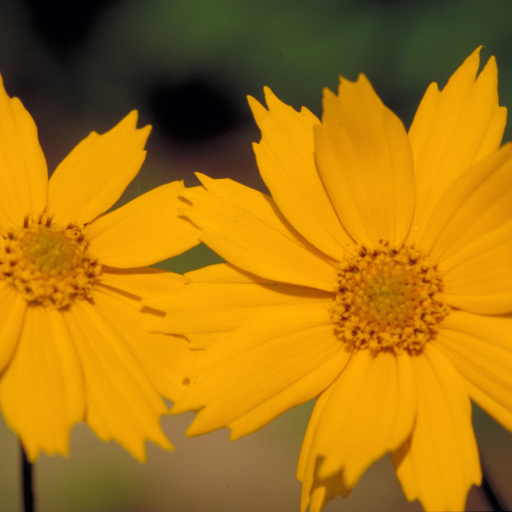
Often called the "Mouse-ear Tickseed," this sunny perennial is a true herald of spring, usually being the first of the Coreopsis family to burst into bloom. Its cheerful, golden-yellow flowers look like miniature suns scattered across the garden floor. Native to the Southeastern United States, it is a rugged survivor that brings a cottage-garden charm to even the toughest sunny spots.
🔍 How to Identify
- 🐭 The "Mouse Ears": Look closely at the base of the deep green leaves; you’ll find two small lobes that look remarkably like tiny mouse ears, giving the plant its name.
- 🌼 Serrated Petals: Each bright yellow flower head features wide petals with distinctive "toothed" or jagged edges, looking as if they were trimmed with pinking shears.
- 🌱 Low Profile: Unlike its taller cousins, this species stays low to the ground, forming a lush, spreading mat of foliage that rarely exceeds 12 inches in height.
🏡 In Your Garden
- ☀️ Sun Seeker: This plant is a sun-worshiper. While it can tolerate light afternoon shade in very hot climates, it needs plenty of light to prevent its stems from becoming "floppy" or sparse.
- ✂️ The Deadheading Trick: To keep the golden carpet going through the summer, snip off the faded flower heads. This encourages the plant to put its energy into new buds rather than seed production.
- 🦋 Pollinator Magnet: It acts as a bustling airport for local wildlife, particularly attracting small native bees and butterflies who find the flat flower heads perfect for landing.
⚠️ Safety & Toxicity
- ✅ Pet & Child Friendly: This plant is generally considered non-toxic and safe for gardens frequented by curious dogs, cats, or toddlers.
- 🐜 Tickseed Name: Despite the common name "Tickseed," the plant does not attract ticks. The name actually refers to the seeds, which are small, dark, and curved—closely resembling a tiny beetle or tick.
✨ Fun Fact
The genus name Coreopsis comes from the Greek words koris (bug) and opsis (view), referring again to those bug-like seeds. Historically, certain Coreopsis species were used by indigenous peoples to create vibrant red and orange dyes for textiles!

Detailed Care Instructions
| Humidity | Normal |
| Lighting | Full Sun |
| Difficulty | Medium |
| Hibernation | Cold Period |
| Hardiness Zones | 4 - 9 |
To grow Coreopsis auriculata (also known as "Lobed Tickseed"), follow these steps:
- Choose an appropriate planting location: Coreopsis auriculata prefers full sun, although it can tolerate partial shade. Ensure the soil is well-drained, as these plants do not tolerate wet or boggy conditions.
- Prepare the soil: Loosen the soil in the planting area and remove any weeds or debris. Add some compost or well-rotted manure to improve soil fertility and drainage.
- Sow seeds or plant seedlings: If growing from seeds, sow them directly into the soil about 1/8 inch deep. If using seedlings, dig a hole slightly larger than the plant's root ball and place it in the hole. Gently firm the soil around the plant.
- Water regularly: After planting, provide a thorough watering and then keep the soil slightly moist until the plant is established. Afterward, Coreopsis auriculata is drought-tolerant and does not require excessive watering. Deep watering once a week is usually sufficient.
- Mulch around the plants: Apply a layer of organic mulch, such as straw or wood chips, around the base of the plants. Mulching helps retain moisture, suppresses weeds, and regulates soil temperature.
- Provide support if needed: Coreopsis auriculata can become leggy or flop over. To avoid this, consider providing some support like stakes or a small trellis for the stems to lean on.
- Prune if necessary: Coreopsis auriculata does not require extensive pruning. However, you can pinch back the growing tips in spring to encourage bushier and more compact growth. Also, remove any dead or damaged stems throughout the growing season.
- Fertilize sparingly: Coreopsis auriculata is not a heavy feeder and generally doesn't require excessive fertilization. However, a light application of balanced slow-release fertilizer in early spring can boost growth and flower production.
- Monitor for pests and diseases: Coreopsis auriculata is relatively resistant to pests and diseases. However, you should keep an eye out for common garden pests like aphids or spider mites. If detected, apply organic insecticidal soaps or neem oil as needed.
- Divide every few years: Coreopsis auriculata may benefit from division every three to four years to rejuvenate the plant and maintain its vigor. Dig up the clump, separate it into smaller sections, and replant them individually.
With proper care, Coreopsis auriculata should thrive and produce an abundance of beautiful yellow flowers.

Place in a bright room that is sun drenched almost all day. Or directly in a south-facing window.

Coreopsis Auriculata is a flowering plant that requires regular watering to thrive. To water this plant, it is important to first check the soil moisture level by inserting your finger into the soil. If the soil feels dry to the touch, it is time to water.
When watering, make sure to saturate the soil around the roots until water begins to drain from the bottom of the pot or out of the ground. Avoid overwatering as this can lead to root rot and other problems.
During periods of drought, it may be necessary to water Coreopsis Auriculata more frequently. In general, this plant requires about 1 inch of water per week.
It is also important to water at the base of the plant rather than from above, as watering from above can lead to disease and pest problems. Additionally, try to water in the morning to give the plant time to dry before nightfall and to prevent water from evaporating in the heat of the day.
Overall, Coreopsis Auriculata is a relatively low-maintenance plant but proper watering is important to ensure its health and vitality.
To fertilize this plant, you should use an all-purpose, balanced fertilizer in the spring before new growth starts. Scatter the granules around the base of the plant and then water thoroughly. Repeat this process every six to eight weeks during the growing season. Be careful not to over-fertilize, as too much nitrogen can lead to leggy growth and a decrease in flowering.
Coreopsis Auriculata plant prefers soil that is well-drained and slightly acidic with a pH level between 5.5 and 7.5. It thrives in soil that is rich in organic matter and has good water-holding capacity without being waterlogged. The soil should be loose and friable, allowing for good root penetration. Adding compost or other organic materials to the soil can improve its fertility and texture, which will benefit the plant's growth and overall health. The plant also prefers full sun to partial shade.
Coreopsis Auriculata is a herbaceous perennial plant that belongs to the family Asteraceae. It is native to North America and can be propagated easily by division or seeds.
To propagate Coreopsis Auriculata by division:
- Choose a healthy and mature plant and carefully dig it up.
- Gently shake off any excess soil and remove any dead or damaged leaves.
- Look for natural divisions in the plant, either by growth habit or by visible separations in the root system.
- Using a clean and sharp cutting tool, cut through the sections to create individual plants.
- Pot up each division in a well-draining soil mix and water well. Keep the soil moist but not waterlogged.
- Place the potted divisions in a bright location, but out of direct sunlight, and allow them to establish before transplanting them to their permanent location.
To propagate Coreopsis Auriculata by seeds:
- Collect mature seeds from the plant when the seed heads have dried out and turned brown.
- Remove the seeds from the seed heads and allow them to dry out completely before storing them in a cool, dry place.
- In early spring, sow the seeds into a well-draining soil mix in a seed tray or individual pots.
- Cover the seeds with a thin layer of soil and press lightly to ensure good contact with the soil.
- Water the seeds well and place the tray or pots in a bright location, but out of direct sunlight.
- Keep the soil moist but not waterlogged and allow the seedlings to grow until they are large enough to transplant to their permanent location.
When propagating Coreopsis Auriculata, it's important to remember that this plant prefers well-draining soil and regular watering. It also prefers full sunlight and is tolerant of heat and drought once established.
Common pests of the lobed tickseed include Aphids. Make a habit of checking your lobed tickseed frequently for pests so that any infestations can be caught and managed early.








