Plant Overview
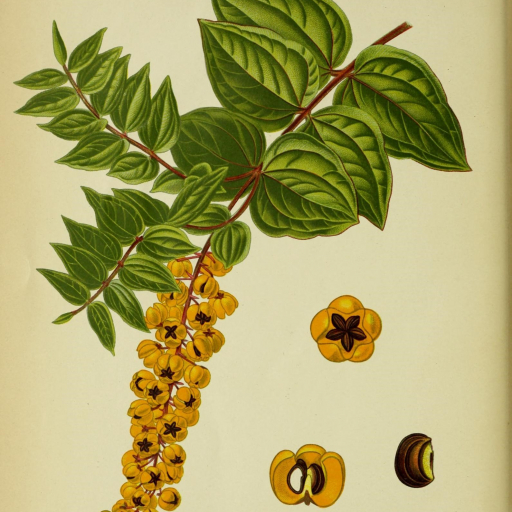
Known as the "Masuri Berry" or the "Tanner’s Tree," Coriaria nepalensis is a rugged, arching shrub native to the slopes of the Himalayas. While its clusters of dark, succulent "berries" look incredibly tempting to hikers and gardeners alike, this plant holds a dual identity: it is both a vital soil-builder and a dangerously deceptive beauty.
🔍 How to Identify
- 🌿 The Foliage: Look for smooth, oval leaves that grow in tidy, opposite pairs along long, elegant branches that arch toward the ground.
- 🍇 Faux-Berries: The "fruits" are actually five fleshy petals that wrap around the seeds. They transition from a vibrant red to a deep, glossy purple-black as they ripen.
- Stem Woody Structure: The young stems often have a reddish tint and a distinct square-ish shape before they mature into rough, brown bark.
🏡 In Your Garden
- 🏔️ The Pioneer Spirit: This plant is a "pioneer species," meaning it thrives in harsh, rocky, or disturbed soils where other plants struggle. It’s excellent for stabilizing slopes or preventing erosion.
- 🧪 Soil Nutritionist: Unlike most shrubs, it has a special relationship with soil bacteria that allows it to "fix" nitrogen. It actually leaves the soil richer and more fertile than it found it.
- ☀️ Sun Seeker: It prefers a sunny position with very well-drained soil; it hates having "wet feet" or sitting in stagnant water.
⚠️ Safety & Toxicity
- 🚫 High Toxicity: WARNING. While the fleshy outer part of the berry is technically sweet, the seeds and all other parts of the plant contain coriamyrtin, a potent toxin.
- 🤢 The Risk: Ingestion of the seeds can lead to nausea, respiratory distress, or even seizures. Because the berries resemble edible wild currants, they pose a significant risk to children and pets. It is best grown as a purely ornamental or ecological plant.
✨ Fun Fact
In its native Himalayan regions, the juice from the dark purple berries isn't just for show—it has been used for centuries as a permanent natural ink for writing and as a powerful tanning agent for leather!

Detailed Care Instructions

Place in a bright room that is sun drenched almost all day. Or directly in a south-facing window.

To water this plant, it is important to ensure that the soil is moist but not waterlogged. Overwatering can cause the plant to drown and lead to root rot.
One way to determine whether the plant needs water is to check the moisture level of the soil. This can be done by sticking a finger or a small stick into the soil and checking for moisture. If the soil feels dry, it may be time to water the plant.
When watering, it is important to avoid getting water on the leaves and stems, as this can cause damage. It is best to water at the base of the plant, allowing the water to soak into the soil.
The frequency of watering will depend on the climate and the size of the pot or container the plant is in. During hot and dry weather, the plant may need to be watered more often. However, it is important to avoid overwatering, as this can also harm the plant.
Overall, it is important to pay close attention to the plant's needs and adjust watering accordingly for optimal growth and health.
Coriaria Nepalensis is a plant that requires well-drained soil that is neutral to slightly acidic (pH level between 6 and 7). The soil should be loose and fertile, with good moisture-holding capacity. It is important that the soil is not too compacted, as this can inhibit root growth and lead to poor plant growth. Organic matter such as compost or well-rotted manure can be added to the soil to improve its structure and fertility. It is also important to ensure that the soil has adequate drainage, as this plant is sensitive to waterlogging and excessive moisture in the soil can cause root rot. In summary, a loose, fertile, well-drained soil with neutral to slightly acidic pH is best suited for Coriaria Nepalensis plant.








