Plant Overview
Often called the Spreading Correa, this charming Australian native is a master of the ground-level landscape. Hailing from the rugged terrains of South Australia and Kangaroo Island, it creates a lush, low-lying carpet of greenery punctuated by nodding, bell-shaped flowers that look like tiny torches lighting up the garden floor. It is a favorite for those looking to add a touch of "wild Australia" to their backyard.
🔍 How to Identify
- 🌸 The Flowers: Distinctive narrow, tubular bells that hang downwards. They are typically a vibrant red or deep pink, tipped with a contrasting lime green or yellow flare.
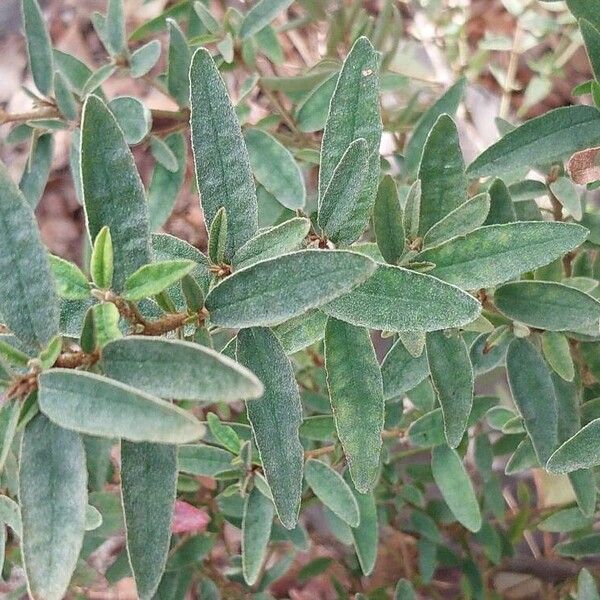
- 🍃 The Foliage: Small, leathery, narrow leaves that are dark green on top and slightly paler underneath. They grow in pairs along the stems, providing a dense, matte texture.
- 📏 Growth Habit: True to its name (decumbens means "lying down"), this plant spreads horizontally rather than growing tall, rarely reaching more than 30cm in height but spreading wide.
🏡 In Your Garden
- 🦅 Bird Magnet: The long, tubular flowers are perfectly evolved for the curved beaks of honeyeaters. Planting this will turn your garden into a bustling hub for local nectar-loving birds.
- 🪴 Drainage is Key: While it is a tough survivor, it cannot tolerate "wet feet." It thrives in rocky or sandy soils; if you have heavy clay, plant it on a slight slope or in a raised rockery to keep the roots happy.
- ✂️ Tidy Habit: Unlike some wild groundcovers that become "leggy" and thin, this species stays relatively compact if given an occasional light trim after the flowering season ends.
⚠️ Safety & Toxicity
- ✅ Non-Toxic: Correa decumbens is generally considered safe and non-toxic for humans, cats, and dogs.
- 🧤 Skin Sensitivity: While not poisonous, the tiny hairs on the stems and leaves can occasionally cause mild mechanical irritation to gardeners with very sensitive skin. Wearing gloves while pruning is recommended.
✨ Fun Fact
Correas are frequently nicknamed "Native Fuchsias" because their drooping bells look remarkably like the popular Fuchsia plants of Europe and the Americas, even though the two aren't related at all! It's a classic example of convergent evolution.

Detailed Care Instructions







