Plant Overview
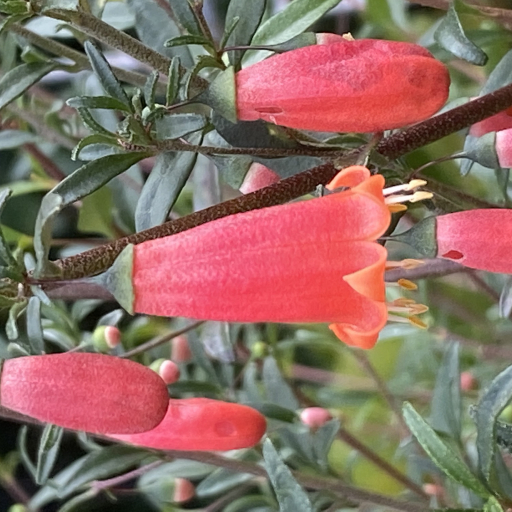
Often called the Salmon Correa or Pretty Correa, this Australian native is a true winter show-stopper. While most of the garden hunkers down for the cold, this hardy evergreen shrub bursts into a sea of delicate, nodding bells that seem to glow against its dark foliage. It is a staple in coastal and rockery gardens, prized for its ability to handle salty breezes and its magnetic pull on nectar-loving birds.
🔍 How to Identify
- 🔔 The Flowers: Pendant, tubular, bell-shaped blooms that range in color from soft salmon-pink to vibrant orange-red, appearing mostly from late autumn through winter.
- 🍃 The Foliage: Small, oval-shaped leaves that grow in opposite pairs; they are typically a deep, matte green and can feel slightly leathery or sand-papery to the touch.
- 🌿 Growth Habit: A low-growing, spreading shrub that usually stays under 1 meter (3 feet) tall, forming a dense, twiggy mound that works perfectly as a groundcover or low hedge.
🏡 In Your Garden
- ☀️ Sun & Drainage: This plant thrives in "bright shade" or dappled sunlight. Its biggest enemy is "wet feet," so it requires gritty, well-draining soil to prevent root rot—especially if you live in a high-rainfall area.
- ✂️ Maintenance Nuance: While it is naturally tidy, a light "tip-prune" (pinching off the ends) after the flowering season ends will encourage a much bushier shape and prevent the center of the plant from becoming woody or sparse.
- 🐦 Eco-Role: Because it blooms during the colder months when other nectar sources are scarce, it is an essential survival plant for honeyeaters and other long-beaked pollinators.
⚠️ Safety & Toxicity
- ✅ Safe Status: Correa pulchella is generally considered non-toxic to humans, dogs, and cats.
- 👐 Skin Sensitivity: While not poisonous, the stems and leaves are covered in very fine, star-shaped hairs. People with extremely sensitive skin might experience very mild itching after heavy pruning, so gloves are a good idea for long garden sessions.
✨ Fun Fact
Despite its common nickname, the "Australian Fuchsia," this plant is not related to the true Fuchsia genus at all. It is actually a member of the Rutaceae family, making it a distant cousin to Lemon and Orange trees!

Detailed Care Instructions
| Humidity | Normal |
| Lighting | Part Sun |
| Toxicity | Poisonous |
| Difficulty | Medium |
| Temperature | 13°C - 29°C |
| Hardiness Zones | 5 - 9 |
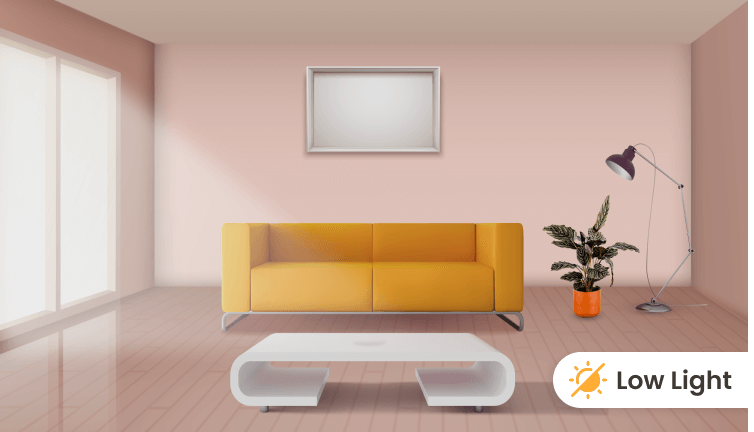
Place in a dark room with little light, like a dark bedroom or a spot far away from a window or directly in a north-facing window.

Some plants require more regular watering than others, which should be done every few days. It's critical to maintain the soil moist all of the time. The water requirements of the same plant placed in pots with varying sizes will differ. Because the water in the smaller pot evaporates faster than the water in the larger pot, it will require more watering. Regardless of pot size, the surface should constantly be maintained moist.
The relative humidity levels between 30 and 50 percent are ideal for these plants. They exhibit unpleasant symptoms when the moisture content in the environment is unfavorable. Avoid letting the air temperature rise too high or low and use a humidifier, whenever possible. Misting is also beneficial, although frequent watering is also necessary. The optimal relative humidity will promote plant growth.








