Plant Overview
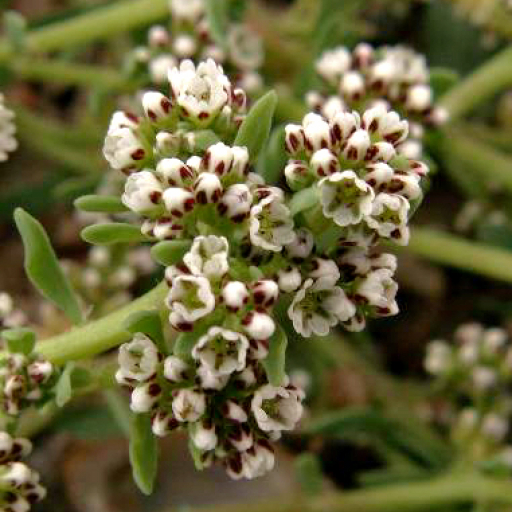
Known as the Strapwort, Corrigiola litoralis is a charming, low-growing specialist of the shoreline and sandy wastes. This rare botanical gem gets its name from its long, flexible stems that sprawl across the ground like tangled leather straps. Though it looks delicate, it is a resilient pioneer that thrives where most other plants give up—specifically on harsh, shingly ground.
🔍 How to Identify
- 🌿 Strap-like Foliage: The leaves are grayish-green (glaucous), narrow, and oblong, resembling tiny tongues or straps arranged alternately along the stems.
- 🌸 Cluster Flowers: It produces dense, terminal clusters of tiny white or pinkish-white flowers. These blooms are minuscule—often only 1-2mm—making them look like subtle "snow" scattered across the gravel.
- 📏 Prostrate Habit: This plant doesn't stand tall; it forms flat, circular mats that hug the ground, spreading outwards from a central taproot.
🏡 In Your Garden
- 🏖️ The Sand Specialist: In a garden setting, this plant is an excellent candidate for "crevice gardening" or rocky alpine troughs. It hates rich, heavy soil and will quickly rot if its roots aren't surrounded by free-draining sand or grit.
- ☀️ Competition Averse: Strapwort is a poor competitor. In the wild, it relies on "disturbed" ground (like moving river shingle or railway ballast) to keep faster-growing weeds away. If you grow it, ensure it isn't overshadowed by taller perennials.
⚠️ Safety & Toxicity
- 🟢 Generally Safe: Corrigiola litoralis is not considered a high-risk toxic plant for humans or common household pets.
- 🐾 Standard Caution: While not famously poisonous, it is part of the Caryophyllaceae family; as with any ornamental plant, it is best kept away from curious nibblers to avoid mild stomach upset or choking hazards.
✨ Fun Fact
Strapwort is a bit of a "railway traveler." In parts of Europe, it has successfully used the gravelly beds of railway tracks as a man-made "highway," allowing it to spread far from its original coastal and river-shingle habitats!

Detailed Care Instructions
To grow Corrigiola Litoralis plant, follow these steps:
- Choose a suitable location: Corrigiola Litoralis prefers full sun or partial shade and well-draining soil. It is also salt-tolerant and can grow in coastal areas.
- Prepare the soil: Ensure the soil is sandy or loamy with good drainage. It is a good idea to mix in some organic matter like compost to improve the soil structure.
- Sow the seeds: Corrigiola Litoralis can be grown from seeds. Sow the seeds directly into the prepared soil, preferably in early spring. Alternatively, you can start the seeds indoors about 6-8 weeks before the last frost date and transplant them outside when the weather is suitable.
- Watering: Keep the soil consistently moist but not waterlogged. Corrigiola Litoralis is somewhat drought-tolerant once established, but regular watering during the early growth stages is important.
- Mulching: Apply a layer of organic mulch around the plants to conserve moisture, suppress weed growth, and maintain a stable soil temperature.
- Pruning: Corrigiola Litoralis is a low-growing perennial plant, and it does not require extensive pruning. However, you can remove any dead or damaged growth to keep the plant healthy.
- Fertilization: Corrigiola Litoralis generally does not require heavy fertilization. However, you can apply a balanced slow-release fertilizer once a year to provide some nutrients.
- Control pests and diseases: Monitor the plant for any signs of pests or diseases. If infested, treat accordingly with appropriate organic or chemical controls.
- Overwintering: Corrigiola Litoralis is fairly hardy and can tolerate freezing temperatures. However, if you live in an area with severe winter conditions, you may need to provide some protection by covering the plants with a layer of mulch or a frost cloth.
- Propagation: If you want to propagate more Corrigiola Litoralis plants, you can take stem cuttings in spring or early summer and root them in a well-draining medium.
By following these steps, you can successfully grow Corrigiola Litoralis and enjoy its unique and attractive foliage.

Place in a bright room that is sun drenched almost all day. Or directly in a south-facing window.

Corrigiola Litoralis is a plant that requires consistent watering to thrive. One way to water this plant is to use a watering can or hose with a gentle flow. Water should be applied to the soil around the base of the plant and allowed to soak in slowly. It's important to avoid getting water on the leaves or flowers of the plant, as this can lead to damage or disease. Watering should be done on a regular basis, with the frequency determined by the specific needs of the plant and the moisture level of the soil. In general, it's best to water deeply and infrequently rather than shallowly and often, as this will encourage deeper root growth and a stronger, healthier plant. During periods of drought or high heat, Corrigiola Litoralis may need more frequent watering to stay hydrated. Overall, attentive and consistent watering is one key to successfully growing and caring for Corrigiola Litoralis.
To fertilize this plant, use a balanced liquid fertilizer during the growing season (spring and summer). Dilute the fertilizer according to its instructions and apply it to the plant's root zone once every two weeks. Avoid fertilizing during the dormant season (fall and winter) as the plant does not require nutrients at this time.
Corrigiola Litoralis plant is a species that requires a well-draining soil mix in order to thrive. It is recommended to use a soil mix that is rich in organic matter and contains a good balance of sand, perlite, and vermiculite to ensure proper drainage and aeration. The soil should also have a slightly acidic pH level between 6.0 and 7.0, as this plant prefers a slightly acidic environment. It is advisable to avoid using heavy or clay soils, as they can retain too much moisture and lead to root rot. Additionally, the soil should be able to retain some moisture, but not too much as this plant does not tolerate waterlogging. Consequently, it is recommended to provide good drainage in the pot or container where the plant is planted, by using a well-draining soil mix.
Corrigiola Litoralis plant can be propagated through both seeds and cuttings. For seed propagation, the matured plant produces seeds that can be harvested when the seedpods start to burst. The seeds can then be sown in a well-drained, sandy soil mix and kept moist. Germination usually takes 1-2 weeks.
For propagation through cuttings, take stem cuttings from the parent plant of 5-7cm in length. Remove the lower leaves and insert the stem in a well-draining soil mix. Keep the soil moist and place the cutting in a warm, bright area but out of direct sunlight. The cuttings should root in about 2-3 weeks.








