Plant Overview
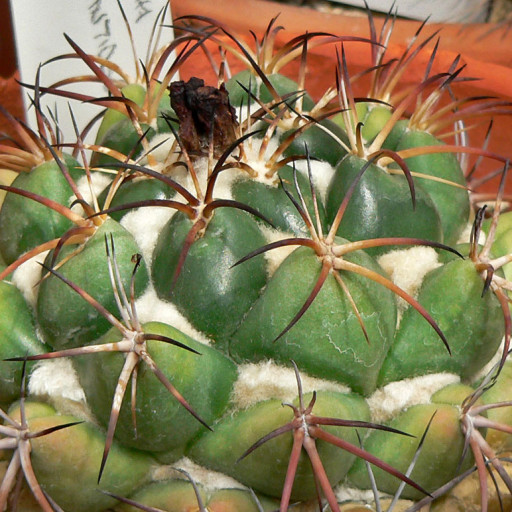
Often called the Elephant’s Tooth or Starry Ball Cactus, this Mexican native is a standout in any succulent collection due to its massive, chunky appearance. Unlike many tall, thin cacti, this species grows in low, heavy mounds that look like smooth green stones or, as the name suggests, oversized molars. It has a peaceful, stoic presence and is celebrated for producing some of the largest and most stunning flowers in the Coryphantha genus.
🔍 How to Identify
- 🦷 Tubercles: Large, flattened, and rounded bumps cover the surface, resembling giant teeth or smooth river rocks rather than the traditional ribs found on most cacti.
- 🕸️ Spines: Each "tooth" is tipped with a cluster of 5 to 8 strong, curved spines that press back against the plant body; they are usually a yellowish-horn color.
- 🌸 Massive Blooms: In late summer, it produces spectacular, wide-opening flowers (up to 10cm across) that range from sweet pink to creamy white with deep magenta centers.
🏡 In Your Garden
- ☀️ Sun Protection: While it loves the light, its thick skin can scorch in intense afternoon sun. It prefers "bright but filtered" light in hotter climates to maintain its deep green color.
- 🪨 Mineral Focus: This cactus has a deep, fleshy taproot that is highly sensitive to moisture. Use a soil mix that is heavy on grit, pumice, or lava rock to ensure the root doesn't sit in damp soil.
- 🧊 Winter Rest: To encourage those massive flowers, keep the plant completely dry and in a cool, frost-free spot during the winter months. This dormancy period is essential for its health.
⚠️ Safety & Toxicity
- 🌵 Physical Hazard: While it is not chemically toxic, the spines are very rigid and sharp. It is best kept on a high shelf away from curious toddlers or pets.
- 🐾 Pet Safety: It is generally considered non-toxic to cats and dogs, though the spines can cause painful mechanical injuries to mouths, noses, or paws.
✨ Fun Fact
The genus name Coryphantha comes from the Greek words for "summit" and "flower." This is because, unlike many other cacti that bloom from the sides, this plant’s blossoms emerge directly from the very top center of the "elephant teeth!"

Detailed Care Instructions
To successfully grow Coryphantha elephantidens, also known as the toothpick cactus or elephant's tooth cactus, follow these steps:
- Climate: Ensure you live in a suitable climate for this plant. It prefers a desert or arid climate with hot, dry summers and mild winters. If you don't live in such an area, you can still grow them indoors or in a greenhouse with similar conditions.
- Lighting: Place the cactus in a location that receives bright, indirect sunlight for at least 6-8 hours a day. If growing indoors, choose a sunny window or use grow lights to provide adequate light.
- Temperature: Coryphantha elephantidens can tolerate temperatures ranging from 40°F (4°C) to 100°F (38°C). Avoid extreme temperature fluctuations or prolonged exposure to frost.
- Soil: Use a well-draining cactus or succulent potting mix. You can also create your own by combining equal parts potting soil, coarse sand, and perlite.
- Watering: Water the cactus deeply but infrequently. Allow the soil to dry out completely between waterings to prevent root rot. During the active growing season (spring to fall), water approximately every 2-3 weeks. Reduce watering frequency during winter dormancy.
- Fertilizer: Feed your cactus with a balanced, diluted cactus fertilizer every 2-4 weeks during the growing season. Follow the instructions on the fertilizer packaging for proper dosage.
- Repotting: Every 2-3 years, repot the cactus to a slightly larger pot with fresh soil. Be cautious when handling the spines and use gloves if necessary.
- Propagation: Coryphantha elephantidens can be propagated from seeds or through offsets, also known as pups. You can harvest seeds from mature plants and sow them in well-draining soil. Allow the soil to dry between watering to prevent seed rot. Offsets can be gently separated from the parent plant and planted in their own pots once they have developed sufficient roots.
Remember to always handle cacti with care and wear gloves or use tools to avoid injury from the sharp spines.

Place in a bright room that is sun drenched almost all day. Or directly in a south-facing window.

When watering this particular plant, it is important to consider the soil mix and drainage. It is recommended to use a well-draining soil mix, such as a cactus or succulent mix, to prevent the roots from becoming waterlogged.
Watering should only be done when the soil has completely dried out, as overwatering can lead to root rot and other issues. It is best to water deeply, thoroughly saturating the soil, and allowing any excess water to drain away.
During the hotter months, the plant may require more frequent watering due to increased evaporation and transpiration. Conversely, during the cooler months, watering should be less frequent to avoid waterlogged roots and potential damage.
When watering, it is important to avoid getting water on the leaves or stem of the plant, as this can increase the risk of disease and fungal issues. Aim to water directly at the base of the plant, allowing the water to penetrate the soil directly around the roots.
To provide proper nutrition for the plant, fertilize during the growing season, which is typically from late spring to early fall. Use a balanced fertilizer with a 10-10-10 ratio or a cactus fertilizer with a 2-7-7 ratio, diluted to half strength. Apply the fertilizer every 2-4 weeks, following the manufacturer's instructions. Water the plant thoroughly before applying the fertilizer to prevent root burn. Avoid fertilizing during the dormant season in winter.
The best soil to use with the plant in question is a well-draining mix that is high in sand content. The soil should also be relatively low in nutrient content because the plant prefers a lean soil environment. To achieve this, it is recommended to mix in perlite or pumice with the soil to increase drainage and aeration. A pH level between 6.0-7.5 is ideal for the plant to thrive. Overwatering should be avoided, as the plant is susceptible to root rot in damp soil. Therefore, it is recommended to let the soil dry out completely before watering again.
To propagate this plant, you need to first obtain a healthy, mature specimen. Take care while handling the plant as it has sharp spines. Once you have the plant, wait until it begins producing buds.
Take a sharp knife and make a clean cut. You only need a small piece of the plant, around 2-3 inches. Remove the lower leaves from the cutting and allow it to dry for a few days.
Once the cutting has dried, dip the cut end in a rooting hormone. This will encourage the development of roots. Plant the cutting in a well-draining soil mix in a small pot. Water the plant sparingly, making sure not to over-water it until you see growth.
The plant should root within a few weeks and start growing almost immediately. Once the plant has outgrown the pot it is in, repot it into a larger container. Eventually, the plant will produce its own buds, signaling that it is time to propagate it again!
Common pests of the elephant's tooth include Scale insect, mealybugs, spider mites. Make a habit of checking your elephant's tooth frequently for pests so that any infestations can be caught and managed early.








