Plant Overview
Known as the African Spiral Ginger, this plant is a structural masterpiece from the tropical forests of West and Central Africa. It is famous for its mesmerizing, corkscrew-like stems that look like they were intentionally twisted by a gardener. Often nicknamed the "Candy Cane Ginger," it brings a dramatic, architectural flair to any tropical collection with its unique combination of spiraling greenery and cone-shaped blooms.
🔍 How to Identify
- 🌀 Spiral Growth: The most distinct feature is the "phyllotaxy" (leaf arrangement). The stems grow in a dramatic corkscrew pattern, twisting as they reach upward.
- 🍃 Lush Foliage: The large, elliptical leaves are dark green, glossy, and arranged in a single spiral line around the stem, rather than in opposite pairs.
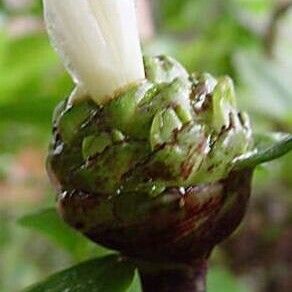
- 🍦 Cone-Like Blooms: At the tips of the stems, it produces a green or reddish cone-like structure (bracts). From these bracts, delicate, ruffled white flowers with pink or red markings emerge, resembling a "candy cane" or a small orchid.
🏡 In Your Garden
- 💧 The Humidity Requirement: Because it is a rainforest native, this plant is a "humidity hog." It thrives in damp environments and will show its displeasure with crispy, brown leaf edges if the air is too dry.
- ⛅ Dappled Light: In the wild, it lives under the forest canopy. It prefers bright, filtered light and should be kept away from harsh, direct afternoon sun, which can bleach the deep green of its leaves.
- 🌱 Root Room: It grows from thick rhizomes. When planting, give it space to spread horizontally, as it likes to form dense, lush clumps over time.
⚠️ Safety & Toxicity
- ✅ Pet-Friendly: The Costus lucanusianus is generally considered non-toxic to cats, dogs, and horses, making it a safe choice for a "pet-safe" indoor jungle.
- 👶 Mild Irritation: While not poisonous, the sap can occasionally cause mild skin irritation for people with high sensitivity. It is always best to wear gloves if you are pruning the thick, fleshy stems.
✨ Fun Fact
In traditional West African medicine, the succulent stems are often crushed to extract a sour juice used to treat various ailments, and the plant is sometimes used as a natural source of water for travelers deep in the forest!

Detailed Care Instructions

Some plants require more regular watering than others, which should be done every few days. It's critical to maintain the soil moist all of the time. The water requirements of the same plant placed in pots with varying sizes will differ. Because the water in the smaller pot evaporates faster than the water in the larger pot, it will require more watering. Regardless of pot size, the surface should constantly be maintained moist.







