Plant Overview
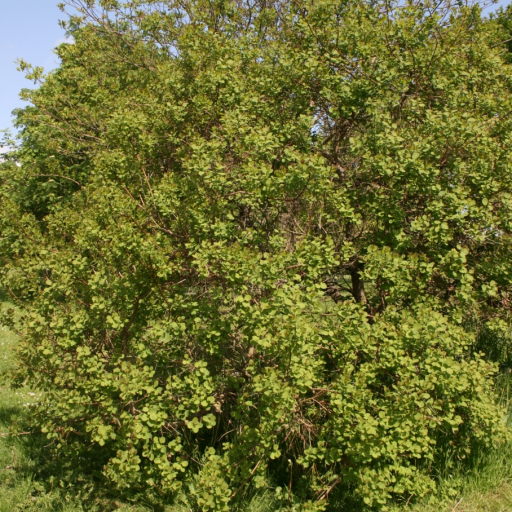
Known as the American Smoketree or "Chittamwood," this native North American beauty is often considered the most spectacular of all small trees for autumn color. While its European cousin is more common in suburban landscapes, the Obovatus variety offers a more robust, tree-like structure and a dramatic, fiery transformation every fall. It is most famous for the ethereal "smoke" that seems to hover over its branches during the heat of mid-summer.
🔍 How to Identify
- 🍃 Rounded Foliage: The leaves are "obovate" (egg-shaped with the narrow end at the base), typically 3-6 inches long with a soft, bluish-green hue during the summer.
- 💨 The "Smoke": After the tiny, inconspicuous flowers bloom, the stalks elongate and develop fine, fuzzy pinkish-purple hairs, creating a misty, cloud-like appearance across the canopy.
- 🪵 Scaly Bark: As the tree matures, the bark becomes dark grey and breaks into small, rectangular scales, providing a rugged aesthetic even in the dead of winter.
🏡 In Your Garden
- 🪨 Limestone Lover: In the wild, this tree clings to rocky bluffs and limestone ridges. This means it craves excellent drainage and actually prefers slightly alkaline soils; it will struggle in heavy, "mucky" clay that stays wet for too long.
- ✂️ Pruning Strategy: You can grow it as a large, multi-stemmed shrub or prune it into a formal single-trunk tree. Note that if you prune it back hard to encourage larger leaves, you may sacrifice the "smoke" plumes for that season.
⚠️ Safety & Toxicity
- ✅ Generally Safe: The American Smoketree is not considered toxic to cats, dogs, or horses. It is a safe choice for family-friendly landscapes.
- 🧤 Sap Sensitivity: It belongs to the same family as Mango and Sumac. While not nearly as potent as its cousins, the sap contains tannins that can cause mild skin irritation or "contact dermatitis" in particularly sensitive individuals. Wearing gloves while pruning is recommended.
✨ Fun Fact
- 🎨 The Yellow Secret: During the American Civil War, the wood of the American Smoketree was so highly valued for its intense yellow dye that it was nearly harvested to extinction in several Southern states to color clothing and textiles.

Detailed Care Instructions
To grow Cotinus obovatus, also known as American smoketree or American smokelbush, follow these steps:
- Choose a suitable location: American smoketree thrives in full sun, so find a spot in your garden that receives at least six hours of direct sunlight per day. The soil should be well-draining and preferably slightly acidic.
- Planting: It is best to plant Cotinus obovatus in the spring or fall. Dig a hole that is two to three times the diameter of the root ball and the same depth. Place the plant in the hole and backfill it with soil, making sure to firm it gently around the base of the plant. Water the newly planted tree thoroughly.
- Watering: While Cotinus obovatus is drought-tolerant once established, it is important to water it regularly during the first year or during periods of extreme heat or drought. Water deeply but infrequently to encourage the growth of deep roots.
- Mulching: Apply a layer of organic mulch around the base of the tree to help retain moisture, suppress weeds, and insulate the roots. Keep the mulch a few inches away from the trunk to prevent rot.
- Pruning: Prune Cotinus obovatus in late winter or early spring, before new growth emerges. Remove any dead, damaged, or diseased branches. Additionally, you can prune the tree to shape it or control its size as needed. Cut back any suckers that may appear at the base of the tree.
- Fertilizing: American smoketree does not typically require regular fertilization. However, if you notice poor growth or yellowing leaves, you can apply a slow-release, balanced fertilizer in early spring.
- Pests and diseases: Cotinus obovatus is generally resistant to pests and diseases. However, keep an eye out for common issues such as powdery mildew or scale infestations. Treat any problems promptly using appropriate pesticides or insecticides.
- Enjoy the tree: Once established, Cotinus obovatus is a relatively low-maintenance tree that will provide beautiful foliage and attractive, smoky flower clusters in early summer. Sit back and enjoy the unique visual appeal of this ornamental tree.

Place in a bright room that is sun drenched almost all day. Or directly in a south-facing window.

To water this plant, you should first check the soil moisture level by sticking your finger about an inch below the surface. If it feels dry to the touch, it is time to water. When watering, make sure to saturate the soil thoroughly, allowing the water to soak in until it reaches the plant's roots. Avoid getting the foliage wet, as this can lead to fungal diseases. During hot and dry weather, you may need to water more frequently to keep the plant hydrated. It is important to let the soil dry out slightly before watering again to prevent root rot.
To fertilize this plant, apply a balanced fertilizer with equal amounts of nitrogen, phosphorus, and potassium in early spring before new growth appears. Use a slow-release fertilizer to avoid over-fertilization and to provide consistent nutrients throughout the growing season. Do not fertilize during the dormant period or in the fall. Follow the manufacturer's instructions for proper application rates and frequency.
The ideal soil for Cotinus Obovatus should be fertile, well-draining, and slightly acidic with a pH range of 5.5 to 6.5. It should have a sandy or loamy texture with good organic matter content. The plant prefers moist to slightly dry soil and can tolerate drought conditions once established. The soil should be free from any compacted or heavy materials that could limit root growth, and it should allow for good air circulation around the roots. The plant is adapted to a range of soils, including clay, loam, and sand, as long as the soil is well-draining. A thick layer of organic mulch around the plant can help retain moisture in the soil and provide nutrients as it decomposes.
To propagate this plant, you will need to take softwood cuttings from the parent plant in late spring or early summer. The cuttings should be approximately 6-8 inches long and should include two or three sets of leaves. Remove the bottom set of leaves and dip the cut end of the cutting in rooting hormone. Plant the cutting in a mixture of peat moss and sand, keeping the soil moist but not overly wet. Cover the pot with a plastic bag to maintain humidity and place it in a bright, but indirect, light. After several weeks, the cutting should have developed roots and can be transplanted to a larger pot or into the ground.








