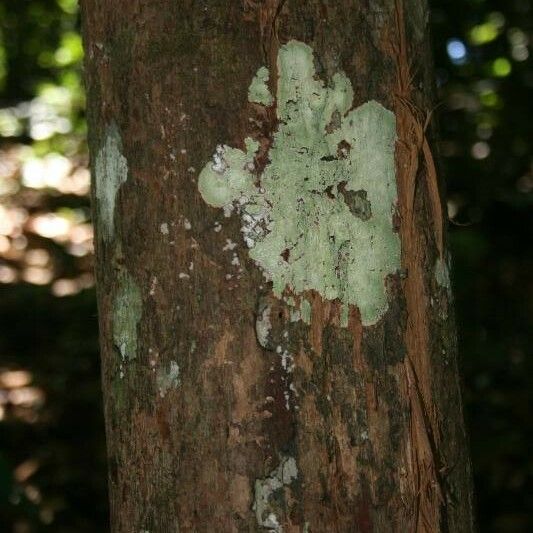
Plant Overview
Known as the Tauarí in its native South American home, Couratari oblongifolia is a true giant of the Amazonian rainforest. This majestic tree is famous not just for its towering height, but for its incredibly versatile bark, which has been used for centuries by indigenous communities to create everything from clothing to rolling papers. In the wild, it acts as a skyscraper of the jungle, providing a massive canopy that shelters countless tropical bird species.
🔍 How to Identify
- 🍃 Oblong Leaves: As the name oblongifolia suggests, its leaves are elongated and rounded at the ends, possessing a leathery texture and a soft, matte green finish.
- 🪵 Buttress Roots: To support its massive height, the base of the tree develops dramatic, wide-spreading "fins" or buttress roots that look like natural architectural supports.
- 🍯 Woody "Pots": It produces unique, bell-shaped woody fruit capsules. When ripe, these "pots" open a lid to release seeds that have thin, papery wings designed to glide through the forest air.
🏡 In Your Garden & Habitat
- 🌳 The Canopy Giant: In its natural habitat, this tree can reach over 120 feet (36 meters). Because of its massive scale and deep taproot, it is rarely kept as a houseplant and is best suited for large botanical gardens or tropical reforestation projects.
- ☁️ Humidity Lover: It thrives in the "vårzea" (floodplain) and terra firme forests. It requires high humidity and consistent warmth to survive; even a light frost can be fatal to this equatorial native.
- 🦋 Ecosystem Anchor: In the wild, its high-reaching branches are a primary nesting site for macaws and harpy eagles, while its flowers provide a nectar feast for specialized long-tongued bees.
⚠️ Safety & Toxicity
- ✅ Generally Safe: There are no recorded toxic effects for humans or common household pets regarding touch or proximity.
- ⚠️ Falling Hazards: In a natural setting, the primary safety concern is the heavy, woody fruit capsules. When these "pots" drop from 100 feet in the air, they can be surprisingly dangerous to anyone standing below.
- 🚫 Not for Consumption: While not considered poisonous, the bark and leaves are not edible and can cause digestive upset if ingested.
✨ Fun Fact
The bark of the Tauarí is so naturally fibrous and flexible that it can be peeled off in extremely thin, translucent layers. These layers were historically used as a natural "paper" long before industrial paper mills reached the Amazon!

Detailed Care Instructions

Place in a bright room that is sun drenched almost all day. Or directly in a south-facing window.

Some plants require more regular watering than others, which should be done every few days. It's critical to maintain the soil moist all of the time. The water requirements of the same plant placed in pots with varying sizes will differ. Because the water in the smaller pot evaporates faster than the water in the larger pot, it will require more watering. Regardless of pot size, the surface should constantly be maintained moist.








