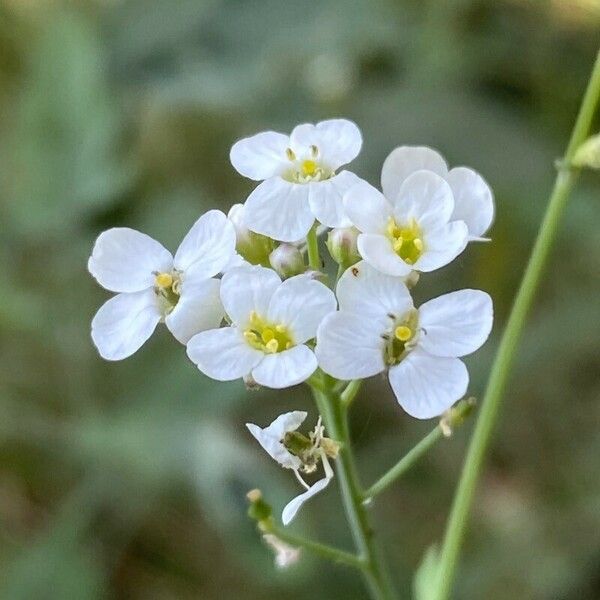
Plant Overview
Known as the Madeira Sea Kale, this architectural wonder is a woody shrub that hails from the volcanic cliffs of the Madeira archipelago. Unlike its humble vegetable cousins in the cabbage family, Crambe fruticosa carries an air of prehistoric elegance, often described as "kale on stilts" due to its tall, branching structure and massive, textured foliage.
🔍 How to Identify
- 🌿 Large Lobed Foliage: The leaves are expansive, leathery, and deeply lobed with a distinct "crinkled" texture reminiscent of oversized kale.
- 🌼 Honey-Scented Blooms: In late spring, it produces massive, airy clouds of tiny white, four-petaled flowers that smell faintly of sweet honey.
- 🪵 Woody Skeleton: Unlike many brassicas that are soft and leafy, this species develops a thick, greyish woody stem at the base, giving it a shrub-like appearance.
🏡 In Your Garden
- 🌊 Coastal Resilience: Because it evolved on island cliffs, it is incredibly tolerant of salt spray and high winds, making it a "must-have" for seaside gardeners.
- 🌋 Drainage is Vital: It thrives in poor, rocky soils. It hates "wet feet" and is prone to root rot if the soil stays soggy, reflecting its natural habitat in volcanic crevices.
- 🦋 Pollinator Magnet: While it looks structural and tough, the fragrant white blooms are a major draw for hoverflies and bees looking for a spring feast.
⚠️ Safety & Toxicity
- 🟢 Generally Safe: Crambe fruticosa is not considered highly toxic to humans or pets.
- 🐕 Pet Note: While not poisonous, the high fiber and naturally occurring compounds in the Brassicaceae family can cause mild stomach upset if a curious dog or cat decided to eat a significant amount of the leaves.
✨ Fun Fact
- 🏝️ Island Endemism: This plant is an "endemic" species, meaning it is found naturally nowhere else on Earth except for the Madeira and Selvagens Islands. It is a perfect example of "island gigantism," where plants evolve to be much larger and woodier than their mainland relatives!

Detailed Care Instructions

Some plants require more regular watering than others, which should be done every few days. It's critical to maintain the soil moist all of the time. The water requirements of the same plant placed in pots with varying sizes will differ. Because the water in the smaller pot evaporates faster than the water in the larger pot, it will require more watering. Regardless of pot size, the surface should constantly be maintained moist.








