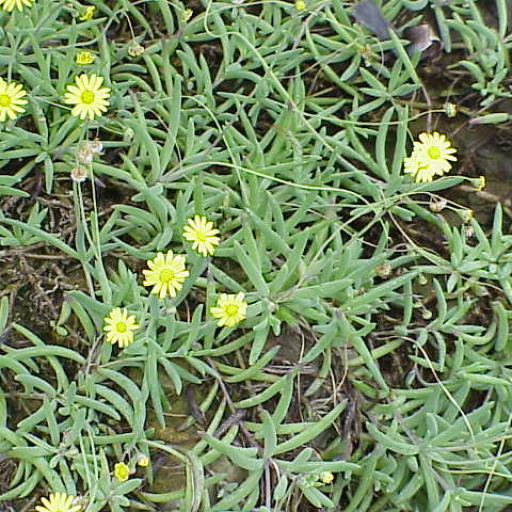
Plant Overview
Known affectionately as "Little Pickles," Crassothonna capensis is a charming South African succulent that looks like a spilled jar of tiny, emerald cucumbers. While it belongs to the daisy family, its thick, water-storing leaves allow it to thrive in rocky crevices where other plants would wither. It is a favorite for hanging baskets and rock gardens due to its cascading habit and cheerful, sun-loving personality.
🔍 How to Identify
- 🥒 The "Pickles": The leaves are smooth, fleshy, and cylindrical, resembling miniature pickles about an inch long.
- 💜 Ruby Stems: Its delicate, wiry stems often sport a rich reddish-purple hue, providing a beautiful contrast to the green foliage.
- 🌼 Daisy Blooms: Small, bright yellow flowers appear on thin stalks; they look like tiny, simplified dandelions emerging from the succulent mat.
🏡 In Your Garden
- ☀️ Sun-Kissed Colors: While it stays green in partial shade, giving this plant plenty of direct sunlight triggers a "blush," turning the leaves a beautiful shade of translucent purple or burgundy.
- 💧 Drought Champion: Because it stores water in its chubby leaves, it is incredibly forgiving if you forget a watering session. It prefers the "soak and dry" method, as its shallow roots are sensitive to standing water.
- 🪴 The Spiller: This is a classic "spiller" plant. It won't climb, but it will gracefully drape over the edges of a pot or create a dense, weed-smothering groundcover in frost-free climates.
⚠️ Safety & Toxicity
- 🐾 Pet Safety: Crassothonna capensis is generally considered non-toxic to cats and dogs, making it a "worry-free" addition to a pet-friendly home.
- 👶 Gentle Nature: Unlike many other succulents (such as Euphorbias), this plant does not have a caustic milky sap or sharp spines, so it is safe for curious little hands.
✨ Fun Fact
The flowers of the Little Pickles are "sleepy"—they are highly sensitive to light and will only stay open during bright, sunny hours. If it's a cloudy day or the sun begins to set, the plant tightly zips its yellow petals shut until the light returns!

Detailed Care Instructions
To grow Crassothonna Capensis plant, also known as Cape sundew, you can follow these steps:
- Climate and Location: Cape sundew plants are native to the Cape region of South Africa and thrive in warm, sunny environments. Make sure you provide them with a location that receives at least 6 hours of direct sunlight daily.
- Soil: They prefer acidic, well-draining soil. A mix of sphagnum moss and perlite or sand works well. Avoid using regular potting soil as it retains too much moisture.
- Watering: Cape sundews are carnivorous plants that obtain nutrients from the insects they catch. They require constant moisture, but avoid waterlogging the soil. Keep the soil consistently moist, but not waterlogged. Rainwater, distilled water, or reverse osmosis water is preferable to tap water.
- Humidity: They thrive in high humidity levels (around 50-70%). You can increase humidity by placing the pot on a tray filled with water and pebbles. Misting the plant with water occasionally can also help.
- Feeding: Cape sundews capture and digest insects for their nutrient requirements. Avoid feeding them regular plant fertilizer. Instead, allow the plant to catch its own prey. If you wish to supplement its diet, you can provide it with live or freeze-dried insects like fruit flies, ants, or small flies.
- Potting and Transplanting: Cape sundews have a shallow root system, so a wide and shallow pot is adequate. Avoid frequent transplanting, as they prefer to be undisturbed. If you do decide to repot, it's best to do it during the growing season in spring.
- Propagation: Cape sundews can be propagated through leaf or root cuttings. Cut off a healthy leaf, dip the cut end in a hormone rooting powder, and plant it shallowly in a small pot with the appropriate soil mix. Keep it moderately moist and provide high humidity to encourage rooting.
- Pests and Diseases: Cape sundews are generally resistant to pests and diseases. However, they may sometimes get infested with aphids or spider mites. You can use insecticidal soap or predatory insects like ladybugs to control these pests.
Remember that growing carnivorous plants can be challenging, and it may take some time to understand the specific needs of your plant. However, with proper care and attention, you can enjoy the unique beauty of Crassothonna Capensis.

Place in a bright room that is sun drenched almost all day. Or directly in a south-facing window.

To water the Crassothonna Capensis plant, it is important to keep certain considerations in mind:
1. Soil Moisture: Check the moisture level of the soil before watering. Insert your finger about an inch deep into the soil. If it feels dry, it's time to water the plant.
2. Watering Frequency: Depending on the environmental conditions and the season, the watering frequency may vary. As a general guideline, water the Crassothonna Capensis when the top inch of soil feels dry. Avoid overwatering, as this can lead to root rot.
3. Watering Method: Use a watering can or a hose with a gentle spray nozzle to avoid causing damage to the plant. Water the soil directly at the base of the plant, ensuring the water reaches the root zone.
4. Drainage: Ensure that the pot or container has sufficient drainage holes at the bottom. This helps prevent water from sitting in the soil, which can lead to root rot. Allow excess water to drain out completely after watering, and discard any standing water collected in the saucer or tray.
5. Seasonal Adjustments: During warmer months or in periods of increased sunlight, the plant may require more frequent watering. Conversely, during colder or dormant periods, reduce the watering frequency to avoid overhydration.
6. Environmental Conditions: Factors such as humidity and the plant's location can influence its water requirements. If the Crassothonna Capensis is placed in a humid room or near a humidifier, it may require less frequent watering.
Remember to observe the plant for signs of water stress or overwatering, such as wilting or yellowing leaves. Adjust the watering schedule accordingly based on these visual cues, always aiming to provide the plant with appropriate moisture levels for its optimal growth and health.
To successfully fertilize Crassothonna Capensis plant, follow these instructions:
- Choose a balanced fertilizer with an NPK ratio of 10-10-10 or 20-20-20, suitable for general plant growth.
- Dilute the fertilizer according to the manufacturer's instructions, typically with water.
- Apply the diluted fertilizer to the soil around the base of the plant. Avoid directly applying it to the leaves or stem.
- Use a watering can or similar container with a fine spout to ensure even distribution of the fertilizer.
- Water the plant thoroughly immediately after fertilizing to help the nutrients penetrate the soil and reach the roots.
- Avoid over-fertilizing the plant, as excessive nutrients can be harmful. Stick to the recommended frequency and dosage mentioned on the fertilizer packaging.
- During the growing season, fertilize the Crassothonna Capensis plant every 4 to 6 weeks for optimal results.
- Monitor the plant's response to the fertilizer. If you notice any signs of nutrient deficiency or excess (such as yellowing leaves or burnt tips), adjust the fertilization routine accordingly.
- Regularly flush the soil with pure water to prevent fertilizer buildup and allow the plant to absorb nutrients more efficiently.
- Remember to read and follow the specific instructions provided with the fertilizer you choose, as different brands may have varying recommendations.
Crassothonna Capensis plant, commonly known as 'Red Pagoda' or 'Cape Mother of Thousands,' is a unique succulent that requires specific soil conditions for optimal growth and health.
As a succulent, Crassothonna Capensis thrives in well-draining soil that allows excess water to quickly pass through. It is essential to use a gritty or sandy soil mixture that prevents water from pooling around the plant's roots, which can lead to root rot and other issues.
An ideal soil mix for Crassothonna Capensis should consist of roughly equal parts of high-quality potting soil, perlite, and coarse sand. These ingredients work together to create a well-draining and aerated soil mixture that replicates the plant's natural habitat.
Potting soil provides essential nutrients and organic matter to support the plant's growth. Perlite, which is a lightweight volcanic mineral, helps improve drainage by creating air pockets in the soil, promoting root health. Coarse sand adds further drainage and prevents soil compaction.
When preparing the soil mix for Crassothonna Capensis, avoid using heavy clay soils or those that retain water for too long. Such soils can retain moisture surrounding the plant's roots, causing them to rot over time. Additionally, using regular garden soil or soil mixes that contain too much organic matter (such as compost) can hinder drainage and lead to poor plant health.
Regularly assessing the moisture levels of the soil and adjusting watering accordingly is essential to maintain the well-being of Crassothonna Capensis. Remember to water the plant thoroughly but allow the soil to dry out between watering to prevent overwatering issues.
In summary, opt for a well-draining soil mixture consisting of potting soil, perlite, and coarse sand when planting and potting your Crassothonna Capensis. This will provide the optimal growing conditions and help ensure the plant's overall health and vitality.
To propagate Crassothonna Capensis, follow these step-by-step guidelines:
- Preparation: Begin by gathering the necessary materials, including a healthy Crassothonna Capensis plant, sharp pruning shears or a knife, a clean planting pot, well-draining soil or succulent soil mix, and a transparent plastic bag or a propagation tray with a clear lid.
- Select the cutting: Identify a mature, healthy stem on the Crassothonna Capensis plant that you wish to propagate. Look for a stem that is at least 4-6 inches long, with no signs of damage or disease. It is preferable to choose a stem with a few sets of leaves.
- Cutting: Sterilize your pruning shears or knife by wiping the blades with rubbing alcohol or dipping them into a disinfectant. Trim the chosen stem just below a leaf node. A leaf node is where the leaves attach to the stem.
- Remove lower leaves: Carefully remove the lower leaves on the cutting, leaving only the top few sets of leaves intact. This allows the plant to focus its energy on root development rather than sustaining excessive foliage.
- Callous formation: Set the cutting aside in a cool, dry place for a few days to allow the cut end to callous over. This step helps prevent rotting when the cutting is planted.
- Potting: Fill a clean planting pot with well-draining soil or a succulent soil mix. Make a small hole in the soil using your finger or a pencil.
- Plant the cutting: Dip the calloused end of the Crassothonna Capensis cutting in rooting hormone powder (optional, but it can aid in faster root development). Place the cutting into the prepared hole in the soil, ensuring that the bottom nodes are covered with soil while the top leaves remain above the surface.
- Watering: Moisten the soil around the cutting carefully, avoiding excessive watering that can lead to root rot. It is important to keep the soil slightly damp but not overly saturated.
- Enclose in a humidity chamber: Create a humid environment by covering the pot with a transparent plastic bag or using a propagation tray with a clear lid. This helps retain moisture and encourages root growth. Ensure the plastic does not touch the leaves of the cutting. If using a tray, mist the cutting and keep the lid securely in place.
- Provide indirect light: Place the potted cutting in a location that receives bright, indirect sunlight, as intense sun may cause the cutting to wilt or burn.
- Monitor and care: Regularly check the soil moisture level and mist the cutting if necessary to maintain humidity. Ensure proper ventilation to prevent mold or fungal growth. Avoid overwatering, as it may lead to root rot. Within a few weeks to a couple of months, you should start to see roots forming.
- Transplanting: Once the new roots have developed sufficiently (about 2-3 inches in length), and the cutting shows signs of healthy growth, you can gently transplant it into an individual pot with well-draining soil or plant it in a suitable outdoor location, depending on your climate.
Following these steps should enable you to successfully propagate Crassothonna Capensis and expand your collection of these beautiful plants.
Common pests of the ruby necklace include Mealybugs, spider mites. Make a habit of checking your ruby necklace frequently for pests so that any infestations can be caught and managed early.








