Plant Overview
Known affectionately as the Purple Crassula, this South African native is a master of disguise. Depending on the season and its environment, it can shift from a modest sage green to a dramatic, deep burgundy. It is a favorite for rock gardens and sunny windowsills where it can "blush" under the sun's gaze, adding a moody elegance to any collection.
🔍 How to Identify
- 🍃 Leaf Shape: It features fleshy, paddle-shaped (obovate) leaves that grow in opposite pairs. The leaves are often slightly concave and may feel velvety or smooth depending on the specific variety.
- 🎨 The "Sun Tan": While it starts as a soft green, the leaf tips and edges turn a rich reddish-purple when the plant is exposed to bright light or cooling temperatures.
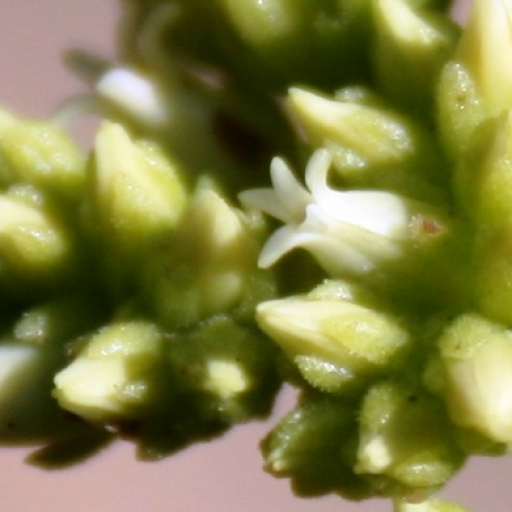
- 🌸 Bloom Style: In late winter or spring, it sends up slender, elongated stalks topped with clusters of tiny, star-shaped cream or yellowish flowers.
🏡 In Your Garden
- 🌞 The Glow-Up: To achieve those famous purple hues, this plant requires "benevolent neglect" in the form of high light. If kept in too much shade, it will lose its color and begin to stretch, losing its compact, shrubby form.
- 🏜️ Drainage is Vital: This species has evolved to thrive in rocky, well-draining soils of the Western Cape. It is highly susceptible to root rot, so it's best to use a gritty succulent mix and a pot with plenty of drainage holes.
- 💧 Winter Rest: It follows a somewhat opportunistic growth cycle but generally appreciates a drier period during the peak of summer and deep winter to prevent the fleshy stems from splitting.
⚠️ Safety & Toxicity
- 🐾 Pet Safety: Most Crassula species are considered non-toxic to cats and dogs, making this a safer choice for pet owners than many other exotic plants.
- 👶 Mild Irritant: While not poisonous, the sap can occasionally cause mild skin irritation for people with sensitive skin. Ingestion of any succulent may cause minor stomach upset in small children.
✨ Fun Fact
The species name atropurpurea comes from the Latin words ater (dark) and purpureus (purple). The plant produces these dark pigments as a biological "sunscreen" to protect its internal tissues from high UV radiation in its native habitat.

Detailed Care Instructions
To grow Crassula Atropurpurea, also known as the Purple Crassula or Purple Leafed Crassula, you can follow these steps:
- Choose a suitable pot: Select a pot with drainage holes to ensure proper drainage and prevent waterlogging. The pot should be at least 4-6 inches in diameter.
- Soil: Use a well-draining succulent or cactus potting mix. You can also prepare your own mix by combining equal parts of regular potting soil, sand, and perlite.
- Planting: Gently remove the plant from its nursery pot and carefully loosen the roots. Place the plant in the new pot, ensuring that it is centered and at the same depth it was previously planted.
- Light: Crassula Atropurpurea thrives in bright, indirect light. Place it near a window where it can receive several hours of sunlight each day. Protect it from intense direct sunlight, as it can scorch the leaves.
- Watering: Allow the soil to dry out between watering sessions. Succulents, including Crassula Atropurpurea, prefer infrequent watering. Water thoroughly until water flows out of the drainage holes, and then let the soil dry before watering again. Avoid overwatering, which can lead to root rot.
- Temperature: Provide a warm environment for your plant, as it prefers temperatures between 60-75°F (15-24°C). Protect it from extreme cold or heat.
- Humidity: Crassula Atropurpurea can tolerate low levels of humidity, but it prefers average room humidity. You can increase humidity by placing a humidifier nearby or occasionally misting the plant. Avoid misting excessively, as it can lead to fungal diseases.
- Fertilizer: Feed the plant with a balanced liquid fertilizer formulated for succulents during the growing season (spring and summer). Dilute the fertilizer to half the recommended strength and apply it once a month or as directed.
- Pruning: Crassula Atropurpurea may grow leggy over time. Pruning can help maintain a compact and bushy shape. Trim back long, leggy stems to promote branching and growth.
- Propagation: The Purple Crassula can be propagated from stem cuttings. Allow the cuttings to dry for a few days to form calluses, then plant them in a well-draining soil mix.
Remember to monitor your Crassula Atropurpurea regularly for any signs of pests or diseases. Providing proper care and attention will help ensure the healthy growth of your plant.

Place in a bright room that is sun drenched almost all day. Or directly in a south-facing window.

When watering this particular plant, it is important to allow the soil to dry out completely between waterings. Overwatering can lead to root rot and damage to the plant. When you do water, make sure to give it a thorough watering until water starts to come out of the drainage holes in the bottom of the pot. Avoid getting water on the leaves as this can cause damage and encourage disease. Additionally, this plant prefers well-draining soil and can benefit from a layer of gravel at the bottom of the pot to aid in drainage. Finally, be cautious not to allow the plant to sit in standing water as this can also promote root rot.
- Choose a well-draining soil mixture for your plant.
- Fertilize your plant once every two weeks during the growing season (spring and summer).
- Use a balanced, water-soluble fertilizer with equal parts nitrogen, phosphorus, and potassium (e.g. a 10-10-10 fertilizer).
- Dilute the fertilizer according to the instructions on the package.
- Water your plant thoroughly before fertilizing to prevent fertilizer burn.
- Apply the fertilizer around the base of the plant, taking care not to get any on the leaves or stem.
- Do not fertilize during the dormant season (fall and winter).
- Monitor your plant for signs of fertilizer burn or over-fertilization, such as yellow or brown leaves, and adjust your fertilizing schedule if necessary.
Crassula Atropurpurea requires well-draining soil that is rich in organic matter. A good option is a mix of sandy soil and perlite or coarse sand to ensure good drainage. The soil pH should be neutral to slightly acidic, around 6.0 to 7.5. It is important to avoid overwatering, as this plant is susceptible to root rot. A well-draining soil mix will help prevent this issue. Overall, a light, well-draining, and nutrient-rich soil mix is the best option for Crassula Atropurpurea.
To propagate this plant, carefully remove a healthy stem or leaf from the mother plant. Allow the cutting to callus over for a few days to prevent excess moisture from entering the plant during propagation. Plant the cutting in a well-draining soil mixture, and keep it lightly moist. Avoid overwatering, as this can cause root rot. The cutting should begin to grow new roots and shoots within a few weeks. Once it has established a good root system, it can be repotted into its permanent location.








