Plant Overview
Often called the Fairy Crassula or Pitted Crassula, this South African native is a dream for gardeners who struggle with dark corners. Unlike its sun-worshipping cousins, Crassula multicava thrives in the dappled light beneath trees, painting the ground with deep green, dimpled leaves and delicate, starry blooms. It is the ultimate "set it and forget it" groundcover for those seeking a lush look with minimal effort.
🔍 How to Identify
- 🍃 The Pitted Leaves: The species name multicava literally means "many hollows," referring to the tiny pits (hydathodes) dotted across the surface of its round, fleshy, deep-green leaves.
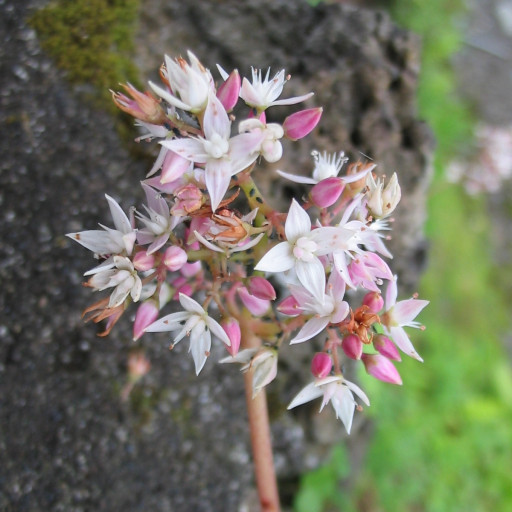
- 🌸 Starry Flowers: In late winter or spring, it produces airy clusters of tiny, four-petaled flowers that transition from pale pink buds to white stars.
- 🌱 Low-Profile Growth: It forms a dense, sprawling mat rarely taller than 12 inches, spreading gracefully across the soil via stolons (runners).
🏡 In Your Garden
- 🌳 The Shade Specialist: While most succulents crave burning sun, the Fairy Crassula is a rare "shade succulent." It’s perfect for filling gaps under large shrubs or in north-facing garden patches where other plants might wither.
- 🧱 Low Maintenance Resilience: It stores water in its thick leaves, allowing it to survive long dry spells. It is particularly effective for erosion control on embankments or as a "spiller" in mixed container pots.
⚠️ Safety & Toxicity
- 🐾 Pet Friendly-ish: Crassula multicava is generally considered non-toxic to humans and common household pets like cats and dogs.
- 🤢 Mild Precautions: While not poisonous, ingesting any succulent can cause mild digestive upset or lethargy in animals. It is always best to keep decorative plants out of reach of curious nibblers.
✨ Fun Fact
- ✨ Aerial Births: This plant is "viviparous," meaning it can give birth to live young! After the flowers fade, tiny baby plantlets often grow directly on the old flower stalks. These "air babies" eventually drop to the ground, immediately take root, and start a brand-new colony.

Detailed Care Instructions
| Humidity | Dry |
| Lighting | Full Sun |
| Difficulty | Easy |
| Temperature | 20°C - 35°C |
| Hardiness Zones | Min 9A |
Here are some steps to help you grow a Crassula Multicava plant:
- Choose a suitable container: Select a pot or container that has good drainage to prevent waterlogging. Make sure it is large enough to accommodate the plant's growth.
- Soil mix: Use a well-draining succulent soil mix. You can either purchase a pre-made mix or create your own by combining potting soil, sand, and perlite. This will provide the plant with the right balance of moisture and air circulation.
- Planting: Place the plant in the center of the container and gently press it into the soil. Ensure that the roots are covered, but do not bury the stem too deeply as it may lead to rot.
- Light and temperature: Crassula Multicava plants thrive in bright, indirect sunlight. Place them near a window or in a spot that receives filtered light throughout the day. They prefer temperatures between 60-75°F (15-24°C).
- Watering: Water the plant thoroughly, allowing the water to drain out completely. Only water when the top inch of soil is dry, as overwatering may cause root rot. During the winter months, reduce watering as the plant requires less moisture.
- Humidity: These plants are not particularly fussy about humidity levels but prefer average room humidity.
- Fertilizer: Fertilize Crassula Multicava plants once a month during the growing season (spring-summer) with a balanced, water-soluble fertilizer. Dilute the fertilizer to half the recommended strength.
- Pruning: Regularly trim or prune your Crassula Multicava plant to maintain a compact shape and encourage bushier growth. You can propagate the pruned cuttings to grow new plants.
- Propagation: Crassula Multicava plants are easily propagated from stem cuttings. Simply cut a healthy stem and allow the cut end to callous for a few days. Then, plant the cutting in well-draining soil and water sparingly until it develops roots.
Remember to regularly monitor your Crassula Multicava plant for pests such as mealybugs or scale insects. If you spot any, treat them with organic or chemical insecticides according to the instructions given.

Place in a bright room that is sun drenched almost all day. Or directly in a south-facing window.

To water this plant, it is recommended to thoroughly soak the soil until water drains through the drainage holes in the container. Allow the soil to fully dry out before watering again, as overwatering can lead to root rot. The frequency of watering will depend on factors such as light exposure, temperature, and humidity. It is important to avoid getting water on the leaves, as this can cause damage or encourage diseases. Consider using a drip irrigation system or watering from the bottom to help prevent this.
To fertilize this plant, you will want to use a balanced, water-soluble fertilizer with equal parts nitrogen, phosphorus, and potassium. Dilute the fertilizer to half strength, and apply to the soil around the base of the plant once per month during the growing season (spring and summer). Do not fertilize during the dormant season (fall and winter). Water the plant thoroughly after fertilizing to ensure the nutrients are absorbed by the roots.
The recommended soil for this plant is a well-draining soil mix that is rich in nutrients and organic matter. It should be slightly acidic with a pH between 6.0 and 7.0. The soil should be loose and airy, allowing for good water retention and drainage. It is important to avoid heavy soils or those that are too compact, as this can lead to root rot and other issues. A mix of sand, perlite, and peat moss or coconut coir is often a good choice for this plant. Additionally, it is important to ensure that the soil is not kept too moist, as this can also lead to root problems.
To propagate this plant, take stem cuttings about 2-3 inches long from the plant's healthy parts. Allow the cutting to dry for a few days before planting it in a well-draining soil mix. Keep the soil moist but not waterlogged and place the plant in a bright, indirect light until roots form. After the roots are visible, you can gradually introduce the plant to more sunlight and water it regularly.
Common pests of the cape province pygmyweed include Mealybugs. Make a habit of checking your cape province pygmyweed frequently for pests so that any infestations can be caught and managed early.








