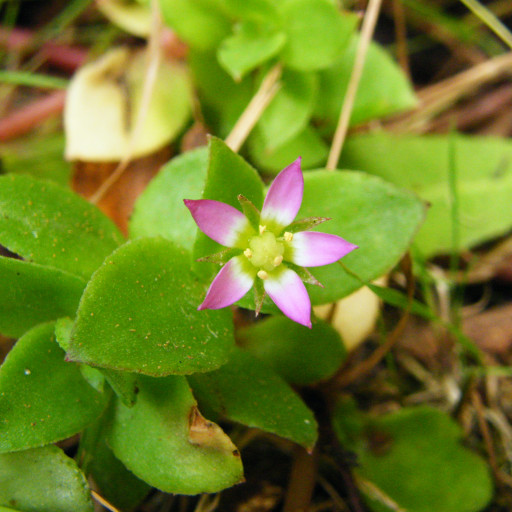
Plant Overview
Often called the "Calico Kitten" or the "Trailing Crassula," this South African gem is a favorite among succulent collectors for its charming, heart-shaped leaves and whimsical cascading habit. Whether it’s spilling over the edges of a stone wall or dangling from a macramé hanger, its transition from lime green to deep burgundy and hot pink makes it look like a living piece of watercolor art.
🔍 How to Identify
- 🐱 The "Kitten" Leaves: Small, fleshy, heart-shaped leaves that grow in opposite pairs along thin, wiry stems.
- 🎨 Variegation: The most popular varieties (like 'Variegata') feature a stunning mix of milky white, sage green, and rosy pink margins.
- 🌸 Starry Blooms: In late winter or spring, the plant produces clusters of tiny, white, star-shaped flowers that appear at the tips of the stems.
- 🌿 Growth Habit: A low-growing, mat-forming succulent that trails downward as the stems lengthen, often reaching up to 12 inches long.
🏡 In Your Garden
- ☀️ The Color of Sun: While it survives in partial shade, the "blush" is light-dependent. The vibrant pink and purple hues are actually a result of "sun-stressing"—without enough bright light, the plant will revert to a plain green to maximize photosynthesis.
- 💧 Fragile Beauty: The stems are notoriously brittle and can snap easily if bumped. It is best placed in a "low-traffic" area where its trailing stems can grow undisturbed.
- 🌱 Self-Propagating: This plant is an opportunist; if a leaf or stem segment falls onto bare soil, it will likely sprout new roots and start a new colony, making it an excellent groundcover in frost-free climates.
⚠️ Safety & Toxicity
- 🐾 Mildly Toxic: Like many members of the Crassula family, this plant contains compounds that can cause gastric upset (vomiting or lethargy) if ingested by cats or dogs.
- 👶 Keep Out of Reach: While not usually life-threatening, it is best kept on high shelves or hanging baskets away from curious toddlers and nibbling pets.
✨ Fun Fact
The species name pellucida comes from the Latin word for "transparent" or "translucent," referring to the tiny, clear dots (hydathodes) that can sometimes be seen on the leaf surfaces, which the plant uses to excrete excess minerals and water!

Detailed Care Instructions
| Humidity | Dry |
| Lighting | Full Sun |
| Difficulty | Easy |
| Temperature | 15°C - 30°C |
| Hardiness Zones | 9A - 11B |
To grow Crassula pellucida, also known as the Calico Kitten plant, follow these steps:
- Choose a suitable container: Select a pot or container with good drainage holes. Make sure it is slightly bigger than the current size of the plant.
- Soil: Use a well-draining potting mix, preferably a mix that is specifically formulated for succulents or cacti. You can also create your own mix by combining regular potting soil with perlite, sand, or pumice to improve drainage.
- Planting: Gently remove the plant from its current pot and loosen the roots. Place the plant in the new container, ensuring that it is centered. Fill in the gaps with the prepared potting mix. Avoid burying the stem too deep; the base of the plant should be level with the soil surface.
- Sunlight: Crassula pellucida thrives in bright, indirect light. Place it near a sunny window where it can receive partial sunlight. Too much direct sunlight may scorch the leaves, so if the sun is intense, provide some shade during the hottest part of the day.
- Watering: Water your Calico Kitten plant thoroughly, allowing the soil to dry out between waterings. Succulents have water-storing leaves and can rot if overwatered. Both underwatering and overwatering can be harmful, so find a balance - water when the top inch of soil feels dry.
- Temperature and humidity: Crassula pellucida prefers average to warm temperatures of 65-75°F (18-24°C). It can tolerate a range of humidity levels, but it is generally better suited to drier conditions.
- Fertilizing: Feed your plant with a diluted succulent fertilizer during the growing season (spring and summer). Follow the instructions on the fertilizer packaging for mixing ratios and frequency.
- Propagation: Calico Kitten plants can be propagated through stem cuttings. Take a healthy cutting, let it callus for a few days, then plant it in a well-draining soil mix. Keep the soil slightly moist until roots develop, usually within a few weeks.
- Pruning: Trim off any leggy or yellowing stems to encourage bushier growth. You can also pinch back the tips to promote branching.
- Repotting: As the plant grows, it may outgrow its current container. Repot it into a slightly larger pot, following the same planting steps mentioned earlier.
Remember to observe your plant closely and adjust care according to its specific needs. With proper care and attention, your Crassula pellucida should grow and thrive.

Place in a bright room that is sun drenched almost all day. Or directly in a south-facing window.

Crassula Pellucida is a small succulent plant that requires proper watering to thrive. To water this plant, one should ensure that the soil is completely dry before watering it. One can check the moisture level of the soil by inserting a finger into it or by using a moisture meter.
When watering, it is recommended to use a watering can with a long spout to direct the water towards the base of the plant and avoid wetting its leaves. The plant should be allowed to absorb water until the soil is visibly moist, but not waterlogged. Any excess water that collects in the saucer should be discarded after a few minutes.
It is important to note that Crassula Pellucida is a drought-tolerant plant, and overwatering can lead to root rot and other problems. Therefore, it is essential to avoid watering the plant too frequently or allowing it to sit in soggy soil. It is advisable to water this plant once every 2-3 weeks in summer and reduce watering in winter.
Overall, by following these guidelines, one can water their Crassula Pellucida plant correctly and ensure that it thrives in optimal conditions.
To fertilize this plant, use a balanced liquid fertilizer diluted to half strength. Apply the fertilizer once a month during the growing season, which is typically spring and summer. Be careful not to over-fertilize, as it can cause damage to the plant. Water the plant thoroughly before and after fertilizing to help distribute the nutrients evenly.
Crassula Pellucida prefers well-draining soil that is rich in nutrients. The soil should have a neutral to slightly alkaline pH level. Loamy or sandy soil mixed with peat moss or perlite is ideal. The plant can also grow in rocky soils that have good drainage and aeration. The soil should be moist but not waterlogged, as wet soil can lead to root rot. It is recommended to add a slow-release fertilizer to the soil during the growing season.
There are several methods you can use to propagate this plant, including:
- Leaf cuttings: Take a healthy leaf from the parent plant and allow it to dry out for a few hours to form a callus. Then, place the leaf on top of moist soil and cover it with a plastic bag or dome to create a humid environment. Keep the soil moist and in a few weeks, roots should begin to form and a new plant will start to grow.
- Stem cuttings: Cut off a healthy stem from the parent plant and allow it to dry out for a few hours to form a callus. Then, place the stem in moist soil and cover with a plastic bag or dome to create a humid environment. Keep the soil moist, and in a few weeks, roots should begin to form, and a new plant will start to grow.
- Division: If your plant has several stems, you can carefully divide it into smaller clumps and plant each clump in its own pot. Make sure each clump has enough roots to support growth.
- Water propagation: Take a healthy cutting of the plant and place it in a container of water. Change the water every few days to keep it fresh and clean. In a few weeks, roots should begin to form, and you can transplant the cutting into soil.
No matter which method you choose, it's important to keep the soil or water moist, provide bright but indirect light, and avoid overwatering. With proper care, your new plants should thrive and grow!
Common pests of the calico kitten plant include Mealybugs. Make a habit of checking your calico kitten plant frequently for pests so that any infestations can be caught and managed early.








