Plant Overview
Often called the Blackberry Hawthorn, this elegant tree hails from the cool, misty regions of Eastern Russia and Japan. While most Hawthorns are famous for their bright red "haws," this species breaks the mold with deep, ebony fruit that hides a surprising secret inside. It is a favorite for gardeners wanting a hardy, architectural tree that brings a touch of "Gothic" beauty and exceptional winter hardiness to the landscape.
🔍 How to Identify
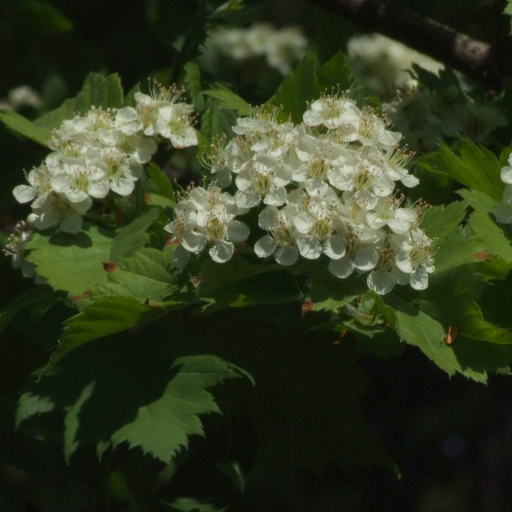
- 🍃 Lush Foliage: The leaves are broadly ovate with sharp, serrated edges and 3-5 pairs of distinct lobes; they transition from a vibrant green to a warm bronze or yellow in the autumn.
- 🌸 Spring Blossoms: In late spring, the tree is smothered in clusters of creamy white flowers, often featuring delicate pink or purple anthers that provide a beautiful contrast to the petals.
- 🖤 The "Black" Fruit: The most striking feature is the small, round fruit which matures from green to a glossy, purplish-black, standing out starkly against the foliage.
- ⚔️ Hidden Thorns: Like most members of the Crataegus genus, it possesses sharp thorns (usually about 1-1.5cm long) tucked among the branches.
🏡 In Your Garden
- 🏔️ Cold Hardy Hero: This species is exceptionally tough and can survive much harsher winters than many other ornamental hawthorns, making it an ideal "tough-as-nails" specimen for northern climates.
- 🦉 Wildlife Magnet: While humans rarely eat the fruit, birds find the black berries irresistible during the winter months, and the dense, thorny branches provide excellent nesting protection from predators.
- 🧱 Urban Resilience: It is surprisingly tolerant of urban pollution and various soil types. However, it hates "wet feet," so ensure the planting site has excellent drainage to prevent root rot.
⚠️ Safety & Toxicity
- 🌵 Physical Hazard: The thorns are small but very sharp. They can easily puncture skin or garden gloves, so it is best planted away from high-traffic walkways or children’s play areas.
- 🐾 Seed Safety: While the fruit flesh is generally considered non-toxic, the seeds (like those of apples and cherries) contain amygdalin. They should not be ingested by pets or humans as they can release cyanide during digestion.
- 🧤 Maintenance Tip: Always wear heavy-duty leather gloves when pruning this tree to avoid painful "Hawthorn pokes" which can sometimes cause localized skin swelling.
✨ Fun Fact
The scientific name chlorosarca literally translates to "green flesh." If you were to bite into one of its jet-black berries, you would find the pulp inside is a startling, vivid lime green!

Detailed Care Instructions

Place in a bright room that is sun drenched almost all day. Or directly in a south-facing window.

When the top few inches of soil dry out, water your plants. If the top few inches of soil are still moist, do not water your plant. Wait a few days, then poke your finger into the soil to see if anything has changed. Overwatering poses a disease risk, such as the development of fungal diseases in the roots. These plants have adaptations in there leaves that allow them to survive in low water supply.








