Plant Overview
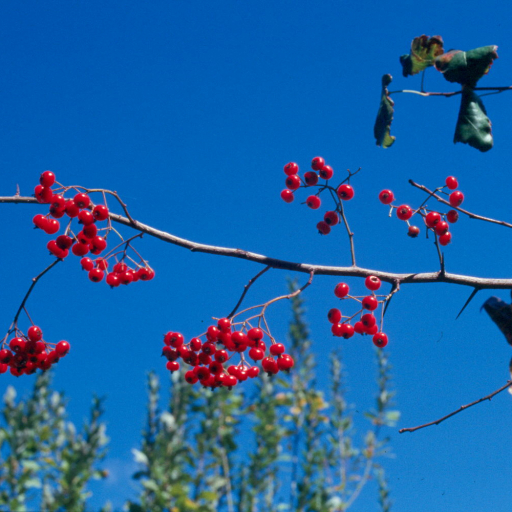
Often hailed as the most ornamental of all hawthorns, the Washington Hawthorn is a landscape architect's dream. Originally hailing from the southeastern United States, it gained its nickname after becoming a staple in the gardens of the Washington D.C. area in the late 1700s. It is a tree that truly works for its keep, offering a dramatic color shift with every passing season and acting as a vital sanctuary for songbirds.
🔍 How to Identify
- 🍃 Foliage: The leaves are uniquely shaped—somewhat like miniature maple leaves—with a triangular base and serrated edges. They emerge reddish-purple, turn glossy green in summer, and explode into shades of orange and scarlet in autumn.
- 🌸 Late Blooms: Unlike many fruit trees that bloom in early spring, this species waits until late May or June to produce its clusters of snowy white flowers.
- ⚔️ Armed Branches: Look closely at the stems to find slender, needle-sharp thorns that can grow up to 3 inches long. These are a hallmark of the Crataegus family.
- 🍒 Winter Jewels: It produces small, glossy, bright red "haws" (berries) that hang in heavy clusters and often persist on the branches long after the leaves have fallen.
🏡 In Your Garden
- 🛡️ Natural Security: Because of its dense growth habit and formidable thorns, it is frequently used as a "living fence." It provides an impenetrable barrier against intruders while offering a safe nesting site for birds like cardinals and robins.
- ☀️ Urban Toughness: This is a resilient tree that tolerates urban pollution and various soil types better than most. However, it requires a spot with full sun and good air circulation to prevent "Cedar-Apple Rust," a common fungal issue that can spot the leaves.
⚠️ Safety & Toxicity
- 📌 Physical Hazard: The thorns are the primary safety concern. They are sharp enough to puncture tires and thick clothing, so avoid planting this tree directly adjacent to narrow walkways or children’s play zones.
- 🐾 Seed Safety: While the fruit is technically edible and often used in traditional jellies, the seeds—like those of apples—contain naturally occurring cyanide compounds. They should not be chewed or swallowed in large quantities by humans or pets.
✨ Fun Fact
- 🥧 The Emergency Pantry: The Washington Hawthorn’s berries are "persistent," meaning they don't rot or drop quickly. They serve as a critical survival food for birds in late winter when all other fruit sources have been depleted.

Detailed Care Instructions
| Color | White |
| Toxicity | Toxic |
| Soil Type | Well Drained |
| Bloom Time | Late Spring To Early Summer |
| Plant Type | Deciduous, Flowering Trees |
| Mature Size | A Height Of 25 To 35 Feet, A Spread Of 25 To 35 Feet. |
| Sun Exposure | Full Sun |
| Hardiness Zones | 5-9 |
To grow Crataegus Phaenopyrum, also known as Washington Hawthorn, you can follow these steps:
- Location: Choose a suitable location for planting the tree. It prefers full sun to partial shade and well-drained soil. Ensure that the spot receives at least six hours of direct sunlight daily.
- Soil preparation: Prepare the soil before planting. Washington Hawthorn grows in various soil types but prefers slightly acidic to neutral soil. Amend the soil with organic matter like compost to enrich it and improve drainage if needed.
- Planting: Dig a hole that is wider and slightly deeper than the root ball of the plant. Carefully place the tree in the hole, making sure the top of the root ball is level with or slightly above the soil level. Backfill the hole with soil, firming it gently around the roots.
- Watering: Water the plant deeply after planting to settle the soil and ensure good root establishment. Keep the soil moist but not waterlogged during the growing season, especially during hot and dry periods. Avoid over-watering as it may lead to root rot.
- Mulching: Apply a layer of organic mulch around the base of the tree to conserve moisture, suppress weed growth, and improve the soil. Keep the mulch a few inches away from the trunk to avoid rotting and pest problems.
- Pruning: Prune the tree during the dormant season to remove dead, broken, or diseased branches. Regular pruning can help maintain a desirable shape and promote air circulation within the canopy.
- Fertilizing: Fertilization is generally not necessary for Washington Hawthorn unless the soil is nutrient deficient. If needed, apply a balanced slow-release fertilizer in early spring according to the package instructions.
- Pests and diseases: Washington Hawthorn is generally resistant to pests and diseases. However, occasional issues such as leaf spot and rust may occur. Regular inspection and appropriate treatment can help manage these problems if they arise.
- Maintenance: Regularly monitor the tree for signs of stress, pests, or diseases. Provide supplemental watering during dry spells and protect young plants from extreme weather conditions, such as frost.
- Patience: Washington Hawthorn generally takes several years to establish and reach its mature size. Be patient and provide consistent care for optimal growth.
Remember to check with local nurseries or gardening experts for specific advice tailored to your region's climate and soil conditions.

Place in a window with dappled sun or a spot in the middle of a room. Or directly in a window facing west or east.

1. Ensure the soil is properly drained: Make sure the soil your plant is in is well drained. Water-logged soil can lead to root rot and other diseases, so ensure the plant is in well-draining soil.
2. Check the moisture level regularly: Check the moisture level of the soil regularly. One way you can do this is by sticking your finger in the soil about an inch deep to feel the moisture level.
3. Water when soil is dry: Water your plant when the soil is dry. If the soil is moist, then watering may lead to overwatering and its consequences.
4. Water thoroughly: When it's time to water, do it thoroughly. Water the soil until water escapes through the drainage hole in the pot. This ensures that the entire root system gets hydrated.
5. Avoid getting water on the leaves: Try not to get water on the leaves since it can lead to fungal infections, diseases and may damage the leaves.
6. Adjust watering based on temperature: Adjust your watering schedule based on temperature. Plants require more water during hot, dry weather than they do during cooler months.
7. Consider using a moisture meter: Consider using a moisture meter to determine the moisture level of the soil. This will give you a more accurate way of monitoring how much water your plant requires.
8. Don't forget to fertilize: Regularly fertilize your plant to ensure its health and continued growth. Follow the instructions on the packaging to avoid over-fertilizing.
9. Water your plant consistently: Consistent watering will lead to a healthy plant that will continue to thrive. Develop a watering schedule that works well for your plant, and stick to it!
Begin fertilizing the plant in early spring when new growth appears. Use a slow-release fertilizer with a higher nitrogen content, applying it at the base of the plant. Repeat this process every six weeks until late summer. In the fall, switch to a low-nitrogen fertilizer to encourage healthy root development. Water the plant deeply after fertilizing to help the nutrients reach the roots. Avoid fertilizing during periods of drought or extreme temperatures.
It is recommended to use well-draining soil that is rich in organic matter for this plant. The soil should have a pH level that is slightly acidic to neutral. It is important to avoid using soil that is compacted or heavy in clay as this can impede water and nutrient uptake. It is also beneficial to use a mulch around the plant to retain moisture and suppress weeds.
To propagate this plant, gather firm stem cuttings that are around 4-6 inches long from a healthy mature plant. Make sure the cuttings come from the current year's growth and remove any leaves from the lower half of the cutting. Dip the cut end in rooting hormone and plant in a container filled with moist, well-draining soil mix. Keep the soil moist and place in a well-lit area but out of direct sunlight. After a few weeks, check for roots by gently tugging on the cutting. Once roots have formed, you can transplant the new plant into a larger container or outside in the ground.
Common pests of the washington hawthorn include Aphids, larvae. Make a habit of checking your washington hawthorn frequently for pests so that any infestations can be caught and managed early.








