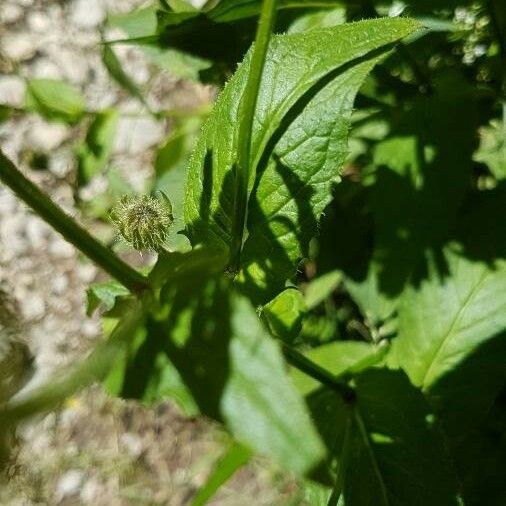
Plant Overview
The Pyrenean Hawksbeard is a golden treasure of the European highlands, often seen dancing in the mountain breezes of the Pyrenees and the Alps. While it may look like a common dandelion at a glance, this hardy perennial is a sophisticated alpine specialist that prefers the crisp air of high-altitude meadows over a suburban lawn. Its bright, sun-like blooms serve as a vital nectar source for mountain-dwelling pollinators.
🔍 How to Identify
- 🌼 The Flowers: Large, solitary flower heads that are a vibrant, deep yellow. Unlike dandelions, these sit on tall, branching stems that can reach up to 2 feet in height.
- 🍃 The Foliage: The leaves are long and lance-shaped with distinct "teeth" along the edges. The upper leaves tend to clasp the stem directly, while the lower leaves form a lush rosette at the base.
- 📏 The Stem: The stalks are notably sturdy and often covered in fine, dark hairs or "bracts" just below the flower head, giving it a slightly rugged, textured appearance.
🏡 In Your Garden
- ⛰️ Alpine Aspirations: This plant is not a fan of sweltering humidity. It thrives in "rock garden" conditions that mimic its mountain home—think cool roots, plenty of morning sun, and extremely sharp drainage.
- 💧 The Taproot Factor: Like many members of the Aster family, it develops a deep taproot. This makes it incredibly drought-tolerant once established, but it also means it hates being moved. Choose its "forever home" in your garden carefully to avoid transplant shock.
⚠️ Safety & Toxicity
- ✅ Safe Status: Crepis pyrenaica is generally considered non-toxic to humans, dogs, and cats. It is a frequent snack for livestock and wild deer in its native range.
- 🌿 Skin Sensitivity: While not poisonous, the milky white sap (latex) inside the stems can cause mild skin irritation or "contact dermatitis" for gardeners with very sensitive skin. Wearing gloves during pruning is a smart move.
✨ Fun Fact
The name "Hawksbeard" comes from an ancient folk belief shared by the Greeks and Romans, who claimed that hawks would eat the sap of these plants to sharpen their eyesight before a hunt!

Detailed Care Instructions

Place in a bright room that is sun drenched almost all day. Or directly in a south-facing window.

The best way to water this particular plant is to ensure that the soil is moist but not saturated. It is important to wait until the top inch of soil feels dry before watering again, as too much water can drown the roots and damage the plant. When watering, it is best to water at the base of the plant and avoid getting water on the leaves, as this can increase the risk of disease. In addition, it is important to water in the morning or evening, when temperatures are cooler and the water is less likely to evaporate quickly. This will allow the plant to absorb the moisture it needs to thrive.
The most suitable soil for Crepis Pyrenaica is a well-draining and nutrient-rich soil that retains moisture but does not become boggy. It should be rich in organic matter with a slightly acidic to neutral pH level (6.0-7.0). Additionally, the soil should be loose and friable, allowing the roots to penetrate easily for proper growth and development. The plant prefers a soil that is enriched with a balanced blend of nitrogen, potassium, and phosphorus, which helps improve its vitality and overall health. It's important to avoid using heavy, compacted, or clay soils, which can inhibit water and nutrient absorption, leading to reduced growth rates and other plant health issues.








