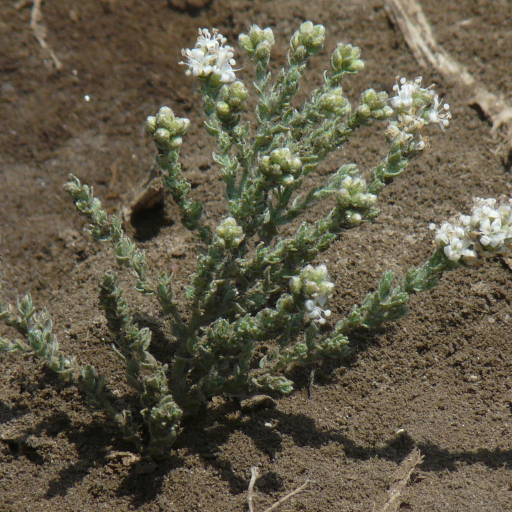
Plant Overview
Often called the Alkali Weed or Rudravanti, this resilient little herb is a true survivor of the world's harshest landscapes. Found hugging the ground in salt marshes and sandy deserts from the Mediterranean to India, it thrives in saline soils where most other plants would perish. In ancient traditions, it is celebrated as a symbol of endurance and a powerhouse of natural medicine.
🔍 How to Identify
- 🌿 Silvery Foliage: The leaves are tiny, scale-like, and covered in a dense layer of fine, silky white hairs that give the entire plant a shimmering, silver-grey appearance.
- 🌸 Bell-Shaped Blooms: During the flowering season, it produces miniature, five-petaled white or pale pink flowers that cluster at the tips of the stems.
- 📏 Growth Habit: It is a low-growing, much-branched perennial subshrub that rarely exceeds 30 centimeters in height, often forming dense, dusty-looking carpets over the ground.
🏡 In Your Garden
- 🧂 Salt Specialist: This plant is a "halophyte," meaning it actually thrives on salt. It is an excellent choice for coastal gardens or "problem areas" where high soil salinity makes growing traditional ornamentals impossible.
- ☀️ Sun Endurance: It requires intense, direct sunlight to maintain its compact shape. In the wild, it acts as a soil stabilizer, preventing erosion in arid, windy environments.
- 🌱 Deep Taproot: It develops a surprisingly long taproot to find moisture deep underground, which means it hates being moved once established. Choose its spot carefully!
⚠️ Safety & Toxicity
- ✅ General Status: Cressa cretica is generally considered non-toxic to humans and is widely used in traditional Ayurvedic medicine for its anti-inflammatory properties.
- 🐾 Pets & Kids: There are no known records of toxicity to dogs or cats; however, due to its high salt accumulation, it should not be ingested in significant quantities by pets, as it could lead to dehydration or electrolyte imbalance.
✨ Fun Fact
In Indian folklore, the plant is known as Rudravanti, which translates to "the one who sheds tears for Shiva." It was believed that the plant’s ability to "weat" or excrete excess salt from its leaves was a divine sign of its healing potency.

Detailed Care Instructions
To grow Cressa Cretica plant, also known as water snowball, follow these steps:
- Obtain seeds or young plants: Look for Cressa Cretica seeds or purchase young plants from a nursery or online supplier.
- Select a suitable location: Cressa Cretica plants thrive in full sun to partial shade. Choose a location that receives at least 6 hours of direct sunlight per day.
- Prepare the soil: Cressa Cretica prefers well-draining soil. Ensure the soil is loose, friable, and free of rocks and debris. If the soil is heavy, add organic matter like compost or peat moss to improve drainage.
- Plant the seeds or young plants: If using seeds, sow them directly into the soil, approximately 1/4 inch deep, following the recommended spacing mentioned on the seed packet. If using young plants, dig a hole slightly larger than the root ball, place the plant in the hole, and backfill with soil, ensuring the crown of the plant is level with the soil surface.
- Watering: Keep the soil consistently moist, especially during the initial growth phase. Avoid overwatering, as Cressa Cretica does not tolerate waterlogged conditions.
- Fertilization: Apply a balanced slow-release fertilizer or a liquid fertilizer once a month during the growing season to promote healthy growth.
- Mulching: Apply a layer of organic mulch, such as wood chips or straw, around the base of the plant. Mulching helps retain moisture, suppresses weed growth, and keeps the soil temperature stable.
- Pruning: Prune the plant periodically to maintain its shape and promote bushier growth. Remove any dead or damaged parts of the plant and pinch back the tips to encourage branching.
- Protection from cold temperatures: Cressa Cretica is sensitive to frost, so protect it during colder months by covering it with a frost cloth or bringing it indoors if necessary.
- Pest and disease control: Monitor the plant for pests such as aphids, mealybugs, or spider mites. Treat any infestations promptly using organic methods or suitable pesticides. Additionally, ensure proper air circulation and avoid overwatering to prevent fungal diseases.
Remember to research the specific requirements and growing conditions needed by the Cressa Cretica plant to ensure its optimal growth and health.

Place in a bright room that is sun drenched almost all day. Or directly in a south-facing window.

To properly water this plant, observe the soil daily and only water when the soil appears dry. When watering, be careful not to over saturate the soil, as too much moisture can cause root rot. Instead, water slowly at the base of the plant until the water begins to drain out the bottom of the pot. Ensure that the plant is not sitting in standing water as this can lead to waterlogging. In addition, remember to provide adequate drainage by using a well-draining potting mix and a pot with drainage holes.
To fertilize the Cressa Cretica plant, you can follow these steps:
- Start by choosing a balanced water-soluble fertilizer.
- Dilute the fertilizer according to the instructions provided on the packaging.
- Pour the diluted fertilizer into a watering can or sprayer.
- Water the Cressa Cretica plant with the fertilized water, ensuring that the soil is evenly moistened.
- Avoid over-fertilizing the plant as it may cause nutrient burn or damage.
- Repeat this fertilization process once every 2-4 weeks during the growing season, which typically occurs in spring and summer.
- Monitor the plant's growth and adjust the fertilization frequency if necessary based on its response.
- Always follow the recommended dosage and safety guidelines provided by the fertilizer manufacturer.
- Lastly, regularly flush the soil with plain water to prevent salt buildup from excessive fertilization.
Remember, it's crucial to consider the specific requirements of the plant and adjust the fertilization routine accordingly for optimal growth and health.
The ideal soil type to use for the Cressa Cretica plant is a well-draining soil mix that is rich in organic matter. This type of soil will allow for good water retention while also allowing for air flow to the roots. It is important to ensure that the soil pH level is between 5.5 and 7.5, as this plant prefers an acidic to neutral soil environment. Additionally, the soil should be kept slightly moist but not overly wet, as this could lead to root rot and other issues. Using a fertilizer that is high in phosphorus can also help promote the growth and flowering of this plant.
Cressa Cretica, scientifically known as Cressa cretica, is a flowering plant that can be propagated through various methods such as seeds, cuttings, and division. Here are some details on how to propagate Cressa Cretica without mentioning its common names:
- Seed Propagation: Collect mature seeds from a healthy Cressa Cretica plant and sow them in a well-draining planting medium. The seeds should be lightly covered with soil as they require some light for germination. Maintain a warm and moist environment, either through a propagator or by covering the pot with plastic wrap. Keep the soil consistently moist until germination occurs, which usually takes around 2-4 weeks. After the seedlings have several true leaves, they can be transplanted into individual pots.
- Cutting Propagation: Take semi-hardwood cuttings from a mature and healthy Cressa Cretica plant during the active growing season, typically in spring or early summer. Make a clean cut just below a node, removing any flowers or buds. Dip the cutting into a rooting hormone to encourage root development. Place the cutting into a well-draining potting mix, ensuring that at least two nodes are buried beneath the soil. Maintain high humidity by covering the pot with a plastic bag or using a propagator. Keep the cutting in a warm and bright location, but avoid direct sunlight. Rooting should occur within several weeks, after which the cutting can be transferred to a larger container.
- Division: This method is typically used for mature Cressa Cretica plants that have formed clumps or have multiple stems. Carefully dig out the entire plant and gently separate the root system into individual sections, ensuring that each section has sufficient roots and healthy foliage. Replant the divided sections into well-prepared soil, making sure they are placed at the same depth as before. Water thoroughly after replanting, and continue to provide regular care until new growth emerges.
These propagation methods are commonly used for propagating Cressa Cretica, allowing gardeners to expand their collection or share this unique plant with others.








