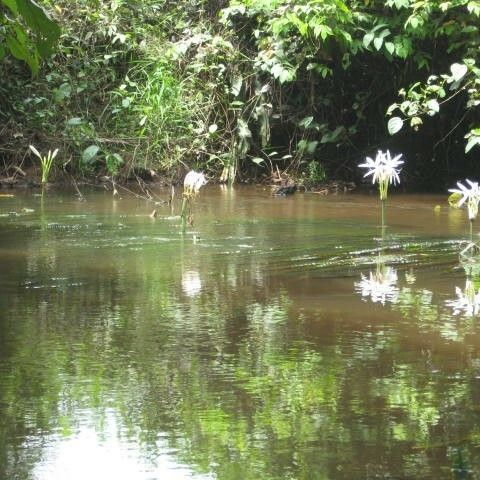
Plant Overview
Often called the "Crinkled Onion Plant," Crinum natans is the undisputed drama queen of the African riverbeds. With its dark, undulating leaves that look like oversized green lasagna noodles, it brings a prehistoric, wild aesthetic to large aquariums. Though it takes its time to grow, once established, it becomes a majestic centerpiece that can live for decades.
🔍 How to Identify
- 🌿 Ruffled Foliage: The most striking feature is the long, ribbon-like leaves that are heavily "crinkled" or puckered along the edges, giving it a unique 3D texture.
- 🧅 The Bulb: It grows from a large, onion-shaped bulb. In a tank, this bulb should sit partially above the soil to prevent rot.
- 📏 Impressive Scale: This is no "foreground" plant; the leathery leaves can easily reach 3 to 5 feet in length, gracefully trailing across the surface of the water.
🏡 In Your Garden (Aquascape Context)
- ⚓ The Anchor Rule: This plant develops a massive, complex root system. Because of this, it absolutely hates being moved. Choose its "forever home" carefully, as transplanting it can cause the plant to go into a long period of dormancy or melted leaves.
- 🌊 Flow Lovers: In the wild, they thrive in the fast-moving rivers of West Africa. They enjoy a moderate current, which keeps their long leaves dancing and prevents debris from settling on the crinkled surfaces.
- 🛡️ Herbivore Resistant: Thanks to the tough, thick texture of the leaves, even notorious plant-eating fish (like larger Cichlids or Goldfish) usually find them too difficult to chew and will leave them alone.
⚠️ Safety & Toxicity
- 🚫 Toxic if Ingested: Like many members of the Amaryllis family, Crinum natans contains lycorine and other alkaloids. It is not safe for human or land-pet consumption.
- 🐾 Pet Warning: While aquarium inhabitants (fish and snails) are safe, keep trimmings away from curious cats or dogs, as ingesting the leaves or bulb can cause vomiting and lethargy.
✨ Fun Fact
- In its native habitat, Crinum natans is so well-anchored by its massive root system that it can survive intense seasonal floods that wash away almost every other aquatic plant in the river!

Detailed Care Instructions
To grow the Crinum Natans plant, follow these steps:
- Choose the right aquarium: The Crinum Natans plant requires a suitable aquarium with a good lighting system and a nutrient-rich substrate. A larger tank is preferred, as it allows the plant to grow larger.
- Planting the bulbs: Place the Crinum Natans bulbs in the substrate. Make sure to bury them partially, leaving the top part exposed.
- Provide adequate lighting: Crinum Natans requires moderate to high lighting levels. Use a good-quality aquarium light with a high spectrum output to ensure sufficient lighting for the plant's photosynthesis.
- Maintain water parameters: Crinum Natans thrives in slightly acidic to slightly alkaline water (pH 6.5-7.5). Ensure the temperature is kept around 72-82°F (22-28°C) and the water hardness is moderate to slightly hard.
- Regular water changes: Like other aquarium plants, Crinum Natans benefits from regular water changes. It helps maintain water quality and provides essential nutrients to the plant.
- Fertilize regularly: To promote healthy growth, use a liquid aquarium fertilizer containing essential macro and micronutrients. Follow the instructions on the label for dosage and frequency.
- Prune and trim: As the plant grows, it may produce long leaves that can reach the water surface. Prune and trim them periodically to maintain the desired height and shape.
- Monitor for pests and diseases: Inspect the plant regularly for any signs of pests or diseases, such as snails, algae, or yellowing leaves. Take appropriate measures to control and treat any issues that may arise.
By following these steps, you can successfully grow Crinum Natans in your aquarium.
Crinum Natans is a type of aquatic plant that requires regular watering to thrive. As it grows in water, it is important to keep the water level consistent and ensure that the plant is not submerged too deeply.
To water this plant, first ensure that it is planted in an appropriate aquatic environment, such as a pond or aquarium. Next, monitor the water level regularly and top up as necessary to maintain a consistent water level.
Avoid over-watering the plant, as this can lead to root rot and other problems. It is also important to ensure that the water is not too cold, as Crinum Natans prefers slightly warmer water temperatures.
Finally, be sure to remove any dead or dying leaves from the plant as this can help to prevent the spread of disease and other issues. With proper care and attention, Crinum Natans can grow beautifully and enhance the natural beauty of its surroundings.
To fertilize this plant, apply a balanced, slow-release fertilizer in spring and again in mid-summer. Follow the manufacturer's instructions for the amount and frequency of application, and be sure to water the plant well after fertilizing. Avoid over-fertilizing, as this can result in excessive leaf growth and less flowering.
The ideal soil for the Crinum Natans plant is a mixture of organic-rich soil and coarse sand, with a pH range of 6.5 to 7.5. The soil should be well-draining, as the plant prefers moist but not waterlogged conditions. It is also important to ensure that the soil is nutrient-rich, and regular fertilization may be required to maintain optimal growth. The plant is tolerant of a wide range of soil types, including clay, loam, and sandy soils, but may struggle in areas with high levels of salt or alkalinity. In general, a high-quality, well-draining potting mix with added fertilizer is recommended for growing Crinum Natans indoors or in containers.
Crinum Natans is a beautiful plant that can be propagated using a variety of methods. To propagate this plant, you can start by taking leaf cuttings from the mother plant. To do this, choose a healthy leaf from the plant and make a clean cut at the base of the leaf using a sharp knife or scissors. Ensure that the leaf is free of any cuts or bruises.
Once you have the leaf cutting, you will need to place it in a container filled with water. Ensure that the container is at least 6 inches deep and the water level is at least 2 inches above the bottom of the leaf cutting. You can also add a small amount of rooting hormone to the water to promote root growth.
Next, place the container in a warm, bright location that receives indirect sunlight. Change the water every two to three days, and after a few weeks, roots should start to form from the base of the leaf cutting.
Once the roots have developed, you can transplant the new plant into soil or a larger container with fresh water. Provide regular water and fertilization, and you should have a thriving Crinum Natans plant in no time.








