Plant Overview
Known affectionately as Chipilín throughout Central America, this vibrant legume is far more than a simple garden plant—it is a culinary icon. Often featured in traditional Guatemalan and Salvadoran tamales and soups, it offers a unique, earthy flavor that bridges the gap between spinach and watercress. It belongs to the "rattlebox" family, named for the musical sound its dried seed pods make when dancing in the wind.
🔍 How to Identify
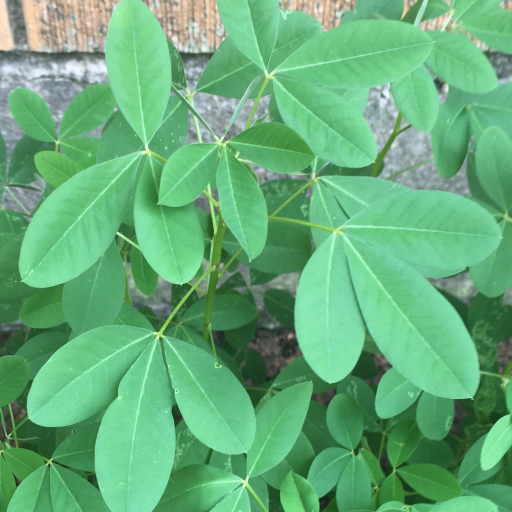
- 🍃 Trifoliate Leaves: The leaves grow in distinct groups of three, resembling a large, elongated clover. They are a deep, matte green and have a slightly delicate, paper-like texture.
- 🟡 Beaked Flowers: The bright yellow blooms look like miniature sweet peas. They feature a prominent, curved "beak" or "prow" shape, which gives the species its scientific name longirostrata (meaning "long beak").
- 🥜 Inflated Pods: As the plant matures, it produces small, puffed-up green pods that eventually turn brown and brittle. Inside, the seeds sit loose, creating a natural rattle.
🏡 In Your Garden
- 🌱 Soil Builder: Like many members of the pea family, Chipilín is a "nitrogen fixer." It hosts specialized bacteria on its roots that pull nitrogen from the air and deposit it into the earth, naturally fertilizing the soil for neighboring plants.
- ☀️ Sun & Space: This plant thrives in high heat and full sun. While it grows as a perennial in tropical climates, it can be grown as an annual in cooler regions. It is relatively drought-tolerant once established but needs well-draining soil to prevent root rot.
⚠️ Safety & Toxicity
- 🐾 Livestock & Pet Risk: While humans have a long history of consuming this specific species, the Crotalaria genus is generally known for containing pyrrolizidine alkaloids. These compounds can be toxic to horses, cattle, and household pets if ingested in significant amounts.
- 🍲 Culinary Caution: For humans, only the tender leaves and stems are eaten, and they are always cooked. Raw consumption is discouraged, as cooking helps break down complex compounds and ensures the plant is easy to digest.
✨ Fun Fact
- 🎶 Nature’s Percussion: The "Rattlebox" nickname is literal. In various cultures, the dried pods of Crotalaria species have been used as makeshift rattles for children or as rhythmic accompaniment in folk music!

Detailed Care Instructions
To grow Crotalaria Longirostrata, also known as the Longbeak rattlebox, follow these steps:
- Climate and Soil Requirements: Crotalaria Longirostrata is native to tropical regions and prefers a warm climate with temperatures between 60-85°F (15-30°C). It grows well in sandy, loamy, or clay soils with good drainage.
- Seeds: Obtain Crotalaria Longirostrata seeds from a reputable nursery or seed supplier. Ensure the seeds are fresh and of good quality.
- Preparing Seeds: Scarify the seeds by rubbing them lightly with sandpaper or nicking the outer seed coat with a knife. This process helps with seed germination.
- Germination: Soak the scarified seeds overnight in warm water to soften the hard seed coat. The following day, plant the seeds in individual pots or seed trays containing a well-draining seed-starting mix. Cover the seeds with a thin layer of soil.
- Watering: Keep the soil consistently moist but not waterlogged. Water the seeds regularly, aiming for a slightly damp soil surface. Avoid overwatering to prevent rot or fungal diseases.
- Sunlight: Place the pots or trays in a sunny location, as Crotalaria Longirostrata requires full sun exposure to thrive. Provide at least 6-8 hours of direct sunlight daily.
- Transplanting: Once the seedlings have reached a height of 2-3 inches (5-7 cm) and have developed a few sets of true leaves, they are ready to be transplanted outdoors. Choose a location in your garden that receives full sun.
- Planting Outdoors: Prepare the planting hole by loosening the soil and adding organic matter or compost to improve fertility. Space the plants about 1-2 feet (30-60 cm) apart to provide enough room for their mature size.
- Watering and Fertilizing: Water the plants regularly, especially during dry periods. Apply a balanced, slow-release fertilizer according to the manufacturer's instructions to promote healthy growth. Follow a fertilization schedule appropriate for your region and soil type.
- Maintenance: Monitor the plants for any signs of pests or diseases. Remove weeds that may compete with the plants for nutrients and water. Prune or trim the plants as needed to maintain their shape and promote bushier growth.
- Harvesting Seeds: Crotalaria Longirostrata produces attractive yellow flowers followed by long seed pods. Allow the pods to dry and turn brown on the plant before harvesting them. Collect the seeds from the pods and store them in a cool, dry place for future use or propagation.
Remember to consult your local gardening experts or extension office for specific advice tailored to your region.

Place in a bright room that is sun drenched almost all day. Or directly in a south-facing window.
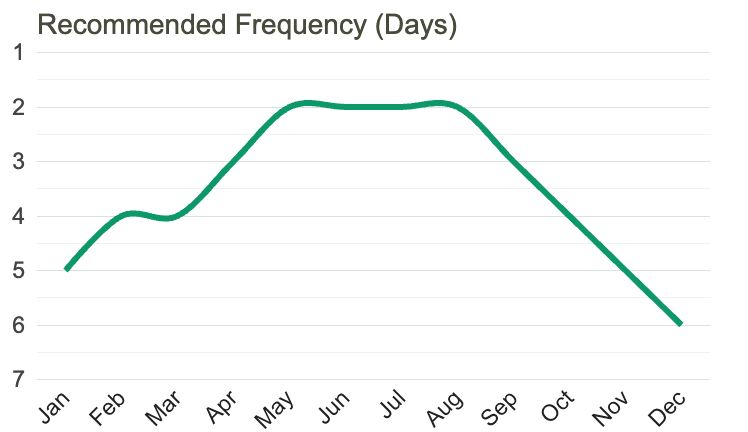
To properly water this plant, it is important to consider its growing environment and needs. It is best to water this plant deeply but infrequently, allowing the soil to dry out partially between waterings. The watering schedule may vary depending on factors such as the potting mix, humidity, and temperature of the plant's surroundings. It is recommended to water the plant at the base rather than from overhead to avoid wetting the leaves and increasing the risk of disease. It is also important not to overwater the plant, as this can lead to root rot and other issues. Monitoring the soil moisture level is crucial to prevent under or overwatering.
To fertilize this plant, you should apply a balanced fertilizer with equal amounts of nitrogen, phosphorus, and potassium. Apply the fertilizer every 2-3 weeks during the growing season and water thoroughly after application. Avoid fertilizing during the dormant season. Be careful not to over-fertilize as this can lead to excessive growth and weak plants.
When selecting soil for this plant, it is important to choose a well-draining soil that is able to hold moisture without becoming waterlogged. The soil should have a slightly acidic to neutral pH of between 6.0 and 7.0. A soil with high organic matter content is also recommended to promote healthy growth and improve soil structure. Additionally, it is important to ensure that the soil is not excessively compacted, as this can inhibit root growth and reduce nutrient uptake. A mix of garden soil and organic compost or peat moss is often a good choice for Crotalaria Longirostrata. It is also important to regularly monitor soil moisture levels and adjust watering as necessary to prevent the soil from becoming too dry or too wet.
To propagate this plant, select healthy mature stems that are at least 6 inches long. Cut the selected stem using sterile scissors or a knife, making sure to cut just below a node. Remove any leaves from the bottom half of the stem. Dip the cut end into rooting hormone powder to encourage root growth.
Prepare a well-draining soil mix and fill a small pot or container with the soil. Make a small hole in the center of the soil and carefully insert the stem into the hole, ensuring that the bottom half of the stem is covered with soil. Gently press down the soil around the stem to secure it in place.
Water the cutting immediately and keep the soil moist, but not waterlogged. Place the pot or container in a warm and bright location, but avoid direct sunlight. Provide humidity by covering the pot or container with a clear plastic bag or plastic wrap.
After a few weeks, check for root growth by gently tugging on the stem. If it resists, it has likely rooted, and the plastic cover can be removed. Continue to care for the cutting by watering it regularly and gradually introducing it to more light as it grows. Once it has grown sufficiently, it can be transplanted into a larger pot or directly into the ground.








