Plant Overview
Often called the Silver Croton, this resilient native of the tropical Americas looks as though it has been dusted with moonlight. Unlike its flamboyant "Garden Croton" cousins known for their neon reds and yellows, Croton argenteus opts for a sophisticated, metallic palette. It is a hardy survivor, frequently found shimmering in the sun-drenched landscapes of Mexico and Central America.
🔍 How to Identify
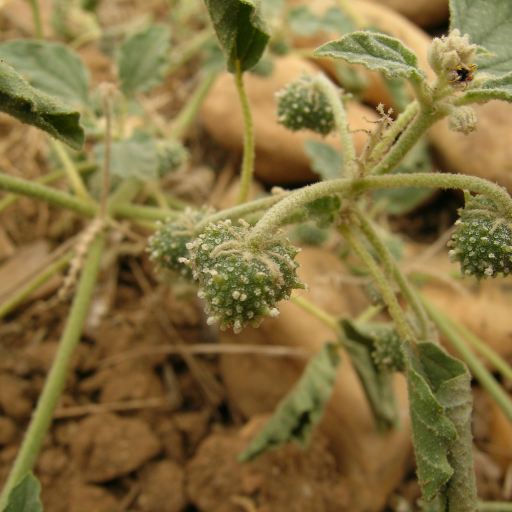
- ✨ Silvery Scales: The most striking feature is the presence of tiny, star-shaped (peltate) scales on the foliage, giving the entire plant a dusty, silver-green, or metallic appearance.
- 🍃 Heart-Shaped Leaves: The leaves are generally broadly ovate or heart-shaped with fine, serrated edges and prominent veins that create a textured look.
- 🌾 Spiky Inflorescence: It produces small, modest flower spikes. These are not showy like garden flowers but have a delicate, architectural beauty when viewed up close.
🏡 In Your Garden
- ☀️ Built-in Sunscreen: The silvery coating isn't just for looks; it acts as a reflective shield against intense UV rays. This makes the plant exceptionally heat-tolerant and a great candidate for "Xeriscaping" (water-wise gardening).
- 🌱 Pioneer Spirit: In the wild, this plant is a "pioneer species," meaning it is often the first to grow in cleared or disturbed soil. In a home landscape, this translates to a plant that is very easy to grow but may need pruning to keep it from spreading too far.
⚠️ Safety & Toxicity
- 🚫 Toxic Sap: Like most members of the Spurge (Euphorbiaceae) family, this plant contains a milky sap that can be highly irritating to the skin and eyes.
- 🐾 Risk to Pets & Kids: Ingestion can cause significant stomach upset, drooling, and vomiting. It is best placed in areas where curious pets or toddlers cannot reach the foliage.
✨ Fun Fact
The "silver" on the leaves is actually a dense forest of microscopic, shield-shaped hairs. These hairs create a boundary layer of air that prevents the plant from losing moisture to the wind, allowing it to thrive in environments where other plants would wither!

Detailed Care Instructions
To grow a Croton Argenteus plant, also known as Silver Evergreen, you can follow these steps:
- Choose a suitable location: Croton Argenteus prefers bright, indirect sunlight or partial shade. It can be grown indoors near a sunny window or outdoors in a location with filtered sunlight.
- Select the right soil: Use well-draining soil that is rich in organic matter. You can mix equal parts of potting soil, peat moss, and perlite or sand.
- Propagation: You can propagate Croton Argenteus through stem cuttings or seeds. Stem cuttings are the most common method. Take a 4-6 inch (10-15 cm) cutting from a healthy, mature plant just below a leaf node. Remove the lower leaves and dip the cut end in rooting hormone powder. Plant the cutting in a pot filled with moist soil and keep it warm and humid.
- Watering: Croton Argenteus prefers slightly moist soil. Water the plant thoroughly when the top inch of soil feels dry. Avoid overwatering as it can lead to root rot. Ensure that the pot or container has drainage holes to allow excess water to escape.
- Humidity: Croton Argenteus thrives in high humidity. You can increase humidity by using a humidifier, placing a tray of water near the plant, or misting the leaves regularly. Grouping plants together can also create a humid microclimate.
- Fertilization: Use a balanced, water-soluble fertilizer for indoor plants during the growing season (spring and summer). Follow the instructions on the fertilizer packaging for the correct dosage and frequency.
- Pruning: Prune Croton Argenteus to shape and maintain its size. You can pinch off or trim overgrown or leggy stems to encourage bushier growth. Wear gloves and be careful as the plant's sap can cause skin irritation.
- Pests and diseases: Keep an eye out for common pests like mealybugs, spider mites, and scale insects. Treat infestations with insecticidal soap or neem oil. Monitor the plant for any signs of diseases such as leaf spot or root rot and take appropriate measures if necessary.
- Temperature and winter care: Croton Argenteus prefers temperatures between 60-85°F (15-29°C). It is not cold-hardy, so if you live in a colder climate, bring the plant indoors during winter or protect it from frost.
By following these steps and providing the appropriate care, you can successfully grow a Croton Argenteus plant.
To water this plant, you should first check the soil moisture level by feeling the top inch of soil. If it feels dry to the touch, it is time to water. Use room temperature water and water slowly at the base of the plant, allowing the water to soak into the soil. Avoid getting water on the leaves as this can cause damage. Do not let the plant sit in standing water as this can lead to root rot. Water this plant regularly, but allow the soil to dry out slightly between watering. The frequency of watering will depend on factors such as the temperature, humidity, and the size of the pot.
To fertilize this plant, prepare a diluted liquid fertilizer with a balanced ratio of nitrogen, phosphorus, and potassium. Apply the fertilizer to the soil around the base of the plant, taking care not to get it on the leaves or stem. Water the plant thoroughly after fertilizing. Repeat this process every 2-4 weeks during the growing season, tapering off during the winter months when the plant is dormant. Avoid over-fertilizing, as this can lead to burned or damaged roots. It is also important to ensure the plant has adequate light, water, and drainage for optimal growth.
The ideal soil for a Croton Argenteus plant should be well-draining and loose in texture. It should contain a mixture of organic matter and sand to ensure good aeration and drainage. The pH level of the soil should be slightly acidic, ranging from 5.5 to 6.5, to allow for optimal nutrient uptake. It is important to avoid using heavy soil mixes as they can cause waterlogging and root rot. A good soil mix can be made from a combination of peat moss, perlite, coarse sand, and vermiculite. Before planting, it is recommended to test the soil's pH level and adjust it accordingly for optimal growth.
Croton Argenteus is a type of plant that can be propagated through various methods. One way to propagate this plant is through stem cuttings. To do this, take a healthy stem from the plant that is around 4-6 inches in length. Remove the leaves from the lower half of the stem. Dip the cut end of the stem into rooting hormone and plant it in a pot filled with moist potting soil. Keep the soil moist and the cutting in a warm, bright area, but out of direct sunlight. Wait for roots to form in about 4-6 weeks. Another way to propagate this plant is by layering. To do this, select a healthy stem and make a small notch on the side of the stem that will be buried in the soil. Bury that part of the stem in the soil and leave the tip exposed. Roots will form at the buried part of the stem. After about 6-8 weeks, the new plant can be separated from the parent plant.








