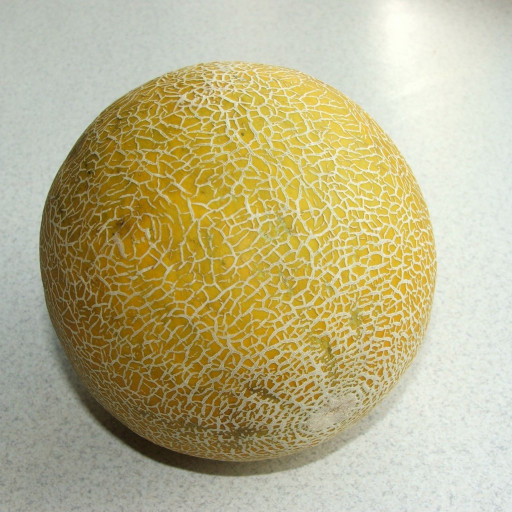
Plant Overview
Often called the "Muskmelon," Cucumis melo is the diverse ancestor of everything from the honey-sweet Honeydew to the rugged, "netted" Cantaloupe. Known for its cooling properties and intoxicating aroma, this trailing vine has been a centerpiece of summer feasts since the time of the Egyptian Pharaohs. It is a true sun-lover that rewards the patient gardener with a fragrance that can perfume an entire room.
🔍 How to Identify
- 🌿 The Foliage: Large, alternate leaves that are roughly heart-shaped with three to five shallow lobes. They have a distinct "sandpaper" texture due to tiny, stiff hairs.
- 🌼 The Blooms: Bright yellow, five-petaled flowers that look like miniature trumpets. Look closely to find separate male and female blossoms—the females have a tiny "mini-melon" bulb at the base of the petal.
- 🍈 The Fruit: Highly variable skin textures; some are "reticulated" (covered in a tan, cork-like netting), while others are smooth, ribbed, or even striped.
🏡 In Your Garden
- ☀️ Solar Powered: These plants are "liquid sunshine" in disguise. They require deep, consistent warmth to develop their sugars. If the soil isn't warm to the touch, they will refuse to grow.
- 🐝 The Bee Connection: Because they produce separate male and female flowers on the same vine, they rely heavily on pollinators. If your garden is quiet, you may need to act as a "matchmaker" using a small paintbrush to move pollen between flowers.
- 💧 Watering Wisdom: While they are thirsty plants, they hate "wet feet" and damp leaves. Focus your watering at the base of the plant to prevent powdery mildew, a white fungus that can quickly coat the leaves in humid weather.
⚠️ Safety & Toxicity
- ✅ Safe for Consumption: The ripened fruit is non-toxic, delicious, and a great source of Vitamin A and C for humans and most pets.
- 🌵 Prickly Vines: The stems and leaves are covered in bristly hairs that can cause mild skin irritation or a "scratchy" sensation. Wear gloves if you have sensitive skin during harvest.
- 🧼 Rind Hygiene: The rough, netted skin of Cantaloupes can trap soil bacteria. Always scrub the outside of the melon thoroughly before slicing through it to avoid dragging bacteria into the flesh.
✨ Fun Fact
The "Cantaloupe" variety is actually named after the Italian papal village of Cantalupo, where these specific seeds were planted after being brought over from Armenia in the 1700s!

Detailed Care Instructions
Cantaloupe is fairly easy to grow as long as you’re in the warm climate that the plant prefers and you provide sufficient water. You also must have adequate garden space for the long vines.
How long does it take to grow cantaloupe?
Cantaloupe takes around 70 to 100 days from planting to harvesting on average. Some varieties mature early and are ideal for cooler climates with shorter growing seasons.
Does cantaloupe come back every year?
Cantaloupe is an annual with the vines dying once fruit production is complete. So you’ll have to start with new seeds or seedlings each year.
| Color | Yellow |
| Soil Ph | 6.0-7.0 |
| Humidity | Normal |
| Invasive | Weed |
| Lighting | Full Sun |
| Toxicity | Non-Toxic |
| Soil Type | Loamy, Sandy, Well-Draining |
| Bloom Time | Summer |
| Difficulty | Medium |
| Plant Type | Annual |
| Hibernation | Cold Period |
| Mature Size | 18 To 24 Inches Tall |
| Native Area | South Asia, Africa |
| Temperature | 18°C - 30°C |
| Sun Exposure | Full Sun |
| Hardiness Zones | 5-11 |
To grow Cucumis melo, commonly known as melons, follow these steps:
- Start indoors: Melon seeds can be started indoors 3-4 weeks before the last expected frost date. Plant 2-3 seeds in each peat pot or container filled with seed starting mix, and keep them in a warm and sunny location.
- Transplant outside: Once all danger of frost has passed and the seedlings have developed true leaves, transplant them into your garden. Choose a sunny location with well-draining soil.
- Prepare the soil: Before transplanting, prepare the soil by loosening it and removing any weeds or rocks. Add compost or well-rotted manure to improve the soil's fertility and moisture retention.
- Planting: Plant the seedlings at least 18-24 inches apart to allow enough space for their sprawling vines. Make sure to keep the soil around the plants firm and well-watered.
- Watering: Water melon plants thoroughly, at least once a week or more during dry spells. Be careful not to overwater as it can lead to root rot. Water the plants at the base rather than overhead to prevent diseases.
- Mulching: Apply a thick layer of organic mulch, such as straw or wood chips, around the plants. This helps retain soil moisture, suppresses weeds, and keeps the melons clean and free from soil-borne diseases.
- Support and train the vines: As the melon plants develop, they will produce long vines that will need support to prevent them from sprawling on the ground. Use trellises, stakes, or cages to support the vines and keep the fruit off the soil.
- Fertilization: Melons are heavy feeders, so it is important to provide them with regular feeding. Use a balanced organic fertilizer or apply compost or well-rotted manure around the plants every few weeks.
- Pollination: Cucumis melo plants require insects or wind for pollination to produce fruits. Encourage pollinators by planting flowers nearby or gently shaking the plants to distribute the pollen.
- Pest and disease control: Monitor your plants regularly for pests such as aphids, cucumber beetles, or spider mites. Use organic insecticides or pest control methods to keep infestations under control. Similarly, watch out for diseases like powdery mildew or fusarium wilt and take appropriate measures if necessary.
- Harvesting: Melons are ready to harvest when they achieve full size, have a sweet aroma, and the stem easily detaches from the fruit with a gentle twist. Cut the melons from the vine with a clean knife.
Follow these tips, and with patience and care, you'll be able to grow and enjoy your own delicious melons.

Place in a bright room that is sun drenched almost all day. Or directly in a south-facing window.

To properly water the plant in question, it is important to first consider the plant's growth stage and soil type. Young plants require more frequent, lighter watering while established plants may only need watering every few days.
The soil should be checked for moisture levels before watering by sticking a finger about an inch or two deep into the soil. Soil that is dry to the touch will require watering, while soil that is still moist does not.
When watering, it is best to use a gentle stream of water to avoid disrupting the soil and damaging the roots. Direct the water at the base of the plant, avoiding the leaves and stem.
To prevent overwatering, allow the soil to dry out slightly between watering. In addition, avoid watering during the hottest part of the day as it can cause the water to evaporate before it can be absorbed by the plant.
Overall, proper watering is key to the health and growth of the Cucumis Melo plant.
To fertilize the plant, apply balanced fertilizer with equal parts of nitrogen, phosphorus, and potassium. Avoid applying too much nitrogen as it can lead to excessive foliage growth instead of fruit development. Apply every two weeks during the growing season, following the manufacturer's instructions. Water the plant before and after applying fertilizer to prevent burning the plant's roots.
The ideal soil for the Cucumis Melo plant is a well-draining soil that is rich in organic matter. It should have a pH range of 6.0 to 6.8. The soil should also have good aeration and be able to retain moisture without becoming waterlogged. Sandy soils are preferable as they provide good drainage, but the addition of organic matter will help to retain moisture. The use of heavy clay soils should be avoided. The soil should be free of weeds and any debris that could cause obstruction to the growth of the roots. The Cucumis Melo plant requires a fertile soil that is rich in nutrients, so the addition of compost or well-rotted manure should be incorporated before planting.
To propagate this plant, start by selecting healthy and mature stems from the parent plant. Cut the stem at a length of about 4 to 6 inches, making sure that the cut is clean and sharp.
Remove any leaves from the bottom half of the stem, leaving only a few at the top. Dip the bottom end of the stem into rooting hormone powder to encourage root development.
Prepare a well-draining potting mix and fill a small pot with it. Make a hole in the center of the soil and insert the stem into it. Gently press the soil around the stem to hold it in place.
Water the cutting deeply and cover it with a plastic bag to create a humid environment. Place the pot in a bright but indirect light location.
Check the cutting every few days and water as needed to keep the soil moist. After a few weeks, the cutting should start to develop new leaves which is a sign that it has taken root.
Once the plant has established roots, you can transplant it to a larger pot or garden bed where it can continue to grow and produce fruit.
Common pests of the cantaloupe include Spider mites, thrips, whiteflies. Make a habit of checking your cantaloupe frequently for pests so that any infestations can be caught and managed early.








