Plant Overview
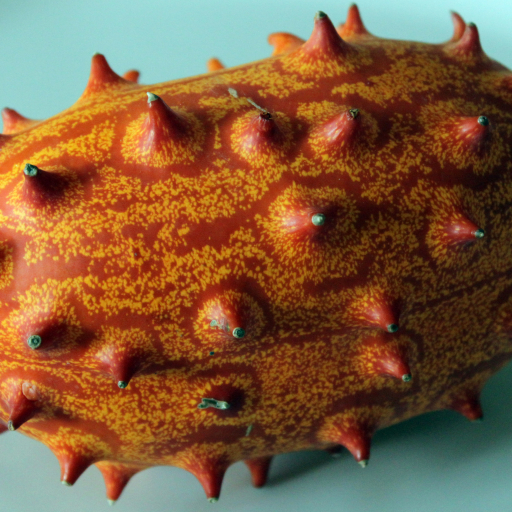
Often called the Kiwano, African Horned Cucumber, or Jelly Melon, this plant looks like it was plucked straight from a science fiction movie. Native to the semi-arid regions of Southern and Central Africa, it has been a vital water source for desert travelers for centuries. Its striking orange, spiked exterior and neon-green "alien" interior have made it a favorite for adventurous gardeners looking to add a prehistoric flair to their backyard.
🔍 How to Identify
- 🌵 The Fruit: The most recognizable feature is the oval fruit, which matures from a mottled green to a vibrant, sunset orange. It is covered in thick, sharp, conical spines or "horns."
- 🌿 Vining Foliage: The plant grows on thin, hairy, sprawling vines that can reach up to 10 feet in length. The leaves are heart-shaped and look very similar to traditional cucumber leaves.
- 🌼 The Flowers: It produces small, yellow, star-shaped blossoms. Like other melons, it has separate male and female flowers on the same plant, requiring bees or wind for pollination.
🏡 In Your Garden
- ☀️ Heat Seekers: Because of its desert origins, the Kiwano thrives in intense heat and is surprisingly drought-tolerant once established. It actually prefers a "tough love" approach—too much nitrogen in the soil will give you plenty of leaves but very little fruit.
- 🪜 Vertical Ambition: It is highly recommended to grow this plant on a sturdy trellis. If left to crawl on the ground, the sharp horns of one fruit can easily puncture its neighbor, leading to rot. Growing vertically also keeps the fruit clean and away from soil-dwelling pests.
- 🥣 Harvesting Nuance: Unlike most cucumbers, these don't taste best when young. Wait until they turn a deep orange for the sweetest flavor—a refreshing, tart cross between a cucumber, lime, and a hint of banana.
⚠️ Safety & Toxicity
- ✅ Edible & Nutritious: The fruit is entirely safe and highly nutritious for humans, packed with Vitamin C, magnesium, and iron.
- 🌵 Physical Hazard: The "horns" are legitimately sharp and can puncture the skin. Always use gloves when harvesting and keep the fruit out of reach of small children who might grab them too firmly.
- 🐾 Pet Safety: While the plant and fruit are non-toxic to dogs and cats, the prickly, hairy vines and sharp fruit exterior can cause mechanical irritation to paws or mouths if a pet decides to play with or chew on them.
✨ Fun Fact
🛸 An Intergalactic Star: The Kiwano is so alien-looking that it has appeared as "prop" food in several Star Trek episodes (such as Deep Space Nine) to represent exotic fruit from far-off galaxies!

Detailed Care Instructions
| Humidity | Normal |
| Lighting | Full Sun |
| Toxicity | Poisonous |
| Difficulty | Medium |
| Hibernation | Cold Period |
| Hardiness Zones | 9 - 11 |
To grow Cucumis metuliferus, also known as Kiwano or African horned cucumber, follow these steps:
- Climate requirements: Kiwano prefers a warm climate with full sun exposure. It cannot tolerate frost, so make sure the temperatures are consistently above 60°F (15°C).
- Soil preparation: Ensure well-draining soil by adding organic matter like compost or aged manure to improve fertility and drainage. Kiwano prefers a slightly acidic to neutral pH range of 6.0-7.0.
- Sowing seeds: Start the seeds indoors, about 4-6 weeks before the last expected frost date in your area. Place the seeds in individual pots filled with moist, high-quality potting soil. Plant them about 0.5 inches deep and cover lightly with soil. Keep the pots warm and evenly moist.
- Transplanting: Once all danger of frost has passed and the seedlings have developed a few true leaves, transplant them outdoors in a well-prepared bed or container, leaving about 3 feet of space between each plant.
- Watering: Kiwano plants need regular watering, especially during dry periods. Provide consistent moisture, aiming for 1-2 inches of water per week. Avoid overwatering, as excessive moisture can lead to fungal diseases or root rot.
- Fertilization: Apply a balanced slow-release fertilizer during planting or use liquid fertilizers according to the manufacturer's instructions. Additionally, side-dress the plants with compost or aged manure every few weeks to provide ongoing nutrients.
- Support and trellising: Kiwano plants are vigorous climbers and benefit from the support of a trellis or fence. As they grow, gently train the vines upward and secure them to the support structure.
- Pest and disease control: Keep an eye out for common cucurbit pests such as aphids, cucumber beetles, and squash bugs. Use organic insecticides or employ natural pest control methods. Additionally, practice good garden hygiene to prevent disease by avoiding overhead watering, improving air circulation, and promptly removing any diseased leaves or fruits.
- Harvesting: Kiwano fruits are ready to harvest when their skin turns orange or slightly golden. They should detach easily from the vine when ripe. Do not harvest them too early, as they do not ripen off the vine. The fruits can be stored at room temperature for a few weeks.
By following these steps, you should be able to successfully grow and enjoy your own Cucumis metuliferus plants.

Place in a bright room that is sun drenched almost all day. Or directly in a south-facing window.

To water this particular plant, one should wait until the soil is dry to the touch before watering. It is important not to over-water as this can lead to root rot and other plant diseases. The water should be directed at the base of the plant and not on the leaves to prevent fungus from growing. The plant should be watered more frequently during hot and dry weather and less frequently during cooler and rainy weather. Mulching around the base of the plant can also help retain moisture in the soil.
To fertilize the plant, use a balanced fertilizer with an NPK ratio of 10-10-10 or 20-20-20. Apply the fertilizer every two weeks during the growing season. Dilute the fertilizer according to the instructions on the package and water the plant deeply after application to prevent fertilizer burn. Additionally, you can add compost or organic matter to the soil to improve soil fertility.
Cucumis Metuliferus plant requires well-drained soil with a neutral to slightly acidic pH level. The soil should be rich in essential nutrients such as nitrogen, phosphorus, and potassium. A sandy loam soil with good organic matter content is ideal for this plant as it helps to hold moisture well. A soil with high clay content should be avoided as it tends to retain water and may lead to root rot. It is recommended to add compost or well-decomposed manure to the soil before planting to improve soil fertility and promote healthy growth of the plant. Additionally, the soil should be kept moist but not waterlogged as excessive moisture can cause damage to the roots and lead to disease development.
To propagate this plant, you will need to start by identifying a healthy and mature plant. Once you have done this, you can proceed to take cuttings from the plant. Using a sharp, sterile knife, cut off a stem that is about 4-6 inches long, making sure to cut at a 45-degree angle.
Remove any leaves from the lower part of the cutting, leaving only a few at the top.
You can then dip the cut end of the stem in a rooting hormone to encourage roots to grow.
Prepare a pot with well-draining soil and make a hole in the center.
Insert the cutting into the hole and gently press the soil around it.
Water the cutting thoroughly and place it in a warm, brightly lit area, but away from direct sunlight.
Keep the soil moist but not waterlogged and wait for the roots to grow.
Once the cutting has rooted and established itself, you can transfer it to a larger pot or plant it in the garden.
Common pests of the african horned cucumber include Spider mites, thrips, whiteflies. Make a habit of checking your african horned cucumber frequently for pests so that any infestations can be caught and managed early.








