Plant Overview
Known widely as the Fig-leaf Gourd, Chilacayote, or the Shark Fin Melon, this plant is the marathon runner of the squash world. While most of its cousins are annuals, Cucurbita ficifolia is a hardy perennial that can live for several years in frost-free climates. It is legendary in Latin American and Asian cuisines, often used to create translucent, sweet "angel hair" preserves or as a sustainable alternative in soups.
🔍 How to Identify
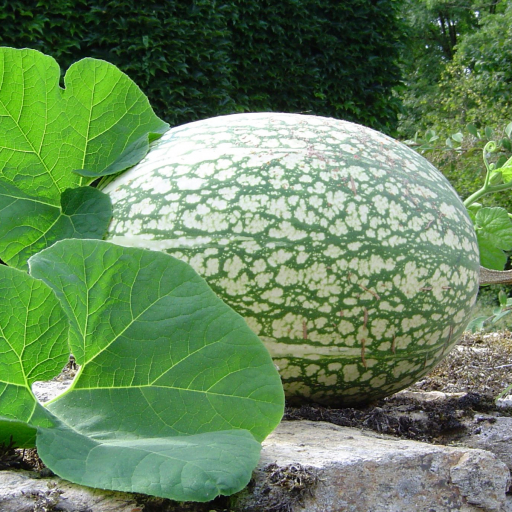
- 🍃 The Leaves: True to its name, the leaves are deeply lobed and rounded, bearing a striking resemblance to the leaves of a common Fig tree (Ficus).
- 🍈 The Fruit: The gourds look like small, oblong watermelons with mottled green and white skin. Inside, you’ll find snowy white flesh that is remarkably crisp.
- 🖤 The Seeds: One of its most identifying marks is the seeds; unlike the tan seeds of a pumpkin, these are usually flat, large, and jet-black.
🏡 In Your Garden
- 🏗️ Space Invader: This plant is a vigorous climber with high-speed tendrils. It won't stay in a neat row; it prefers to climb over fences, up trees, or across rooftops. It needs a very sturdy support system if you don't want it covering your lawn.
- 💪 The "Iron" Rootstock: Because it is incredibly resistant to soil-borne diseases and pests that kill other melons, gardeners often graft sensitive cucumbers or watermelons onto its hardy rootstock to keep them alive.
⚠️ Safety & Toxicity
- ✅ Edible & Safe: The fruit, seeds, and even the young shoots are completely safe and highly nutritious for humans.
- 🐾 Pet Friendly: It is non-toxic to cats, dogs, and horses. However, the thick, prickly hairs on the stems can sometimes cause mild skin irritation for sensitive pets (or gardeners!) who brush against them.
✨ Fun Fact
The Fig-leaf Gourd is often called the "Seven-Year Melon." This is because the mature fruit has an incredible shelf life—if stored in a cool, dry place, a single gourd can remain perfectly fresh and edible for up to two years after being harvested!

Detailed Care Instructions
To grow Cucurbita ficifolia, also known as fig-leaf gourd or chilacayote, follow these steps:
- Purchase seeds or acquire them from mature fruits. Ensure they are from a reliable source.
- Start seeds indoors a few weeks before the last expected frost date in your area. Fill small pots or seed trays with a well-draining seed starting mix.
- Plant two to three seeds per pot or cell, around 1 inch deep. Water the soil lightly.
- Maintain a warm temperature of around 70°F (21°C) for optimal germination. Use a heating mat if needed.
- Once seedlings emerge, thin them out to the strongest individual plant per pot or cell. Remove any weaker seedlings by snipping them at soil level.
- Gradually acclimate seedlings to outdoor conditions when the weather is frost-free and temperatures stay consistently above 50°F (10°C). Start by bringing them outdoors for a few hours each day, gradually increasing the time over a week.
- Choose a sunny location in your garden with well-drained soil. Prepare the soil by loosening it with a garden fork or tiller and adding organic matter like compost or aged manure.
- Dig a hole slightly larger than the root ball of each seedling, spacing them about 3-5 feet apart.
- Carefully transplant the seedlings into the holes, ensuring the soil level remains the same as it was in the pots.
- Water the plants thoroughly after transplanting and keep the soil consistently moist but not waterlogged throughout the growing season.
- Mulch around the plants to help conserve moisture and prevent weeds.
- Cucurbita ficifolia is a trailing or climbing vine, so provide support as necessary. You can use trellises, cages, or allow them to ramble along the ground.
- Regularly prune the plant to remove any damaged or unnecessary vines to promote better airflow and prevent disease.
- Fertilize the plants with a balanced fertilizer, following the instructions on the package. Apply fertilizer every 4-6 weeks.
- Monitor for pests like aphids, cucumber beetles, and squash bugs. Use organic pest control methods or insecticidal soap if needed.
- Harvest the fruits when they reach full maturity. The skin should harden and develop a golden or yellow color. Cut the fruits from the vines, leaving a small stem attached.
- Cure the harvested fruits for 7-10 days in a dry, well-ventilated area with temperatures around 75°F (24°C). This helps improve flavor and extends their shelf life.
Remember to consult regional gardening guides and adjust these instructions based on your specific climate and growing conditions.

Place in a bright room that is sun drenched almost all day. Or directly in a south-facing window.

1. Observe the soil: Before watering, check the soil to see if it is dry to a certain depth. You can do this by sticking your finger into the soil or using a soil moisture gauge. If the soil is still moist, wait a few more days before watering.
2. Water gently: When watering, be sure to do it gently. You don't want to create puddles or wash away the soil. Use a watering can or a gentle hose attachment and aim for the base of the plant.
3. Water deeply: When you do water, make sure to give the plant a deep watering. This means watering until the water reaches the plant's root system. This will encourage deep root growth and help the plant become more drought-tolerant.
4. Water in the morning: It's best to water your plant in the morning when the temperature is cooler. This will allow the plant to absorb the water before the sun dries it up. If you water in the evening, the plant will go to bed with wet leaves, which can lead to disease.
5. Avoid over-watering: Over-watering can be just as harmful as under-watering. If the soil is constantly wet, it can lead to root rot and other fungal diseases. Make sure to monitor the soil and water only when necessary.
6. Mulch: Adding a layer of organic mulch around the plant can help retain moisture in the soil and reduce the need for frequent watering. Mulch can also help regulate the soil temperature and suppress weed growth.
To properly fertilize this plant, apply a balanced fertilizer with equal amounts of nitrogen, phosphorus, and potassium. Use a low- to medium-strength solution and apply every two to three weeks throughout the growing season. Make sure to water the plant thoroughly before and after fertilizing to prevent any root burn. Additionally, it is recommended to add organic matter to the soil prior to planting to enhance the plant's growth and overall health.
For best growth and development, it is recommended to use a nutrient-rich soil that is well-draining and has a slightly acidic pH level. The soil should be loose and friable, allowing for proper root development and water uptake. Adding organic matter, such as compost or leaf mold, to the soil can improve nutrient retention and help maintain soil structure. It is also important to ensure proper drainage to prevent waterlogging, which can lead to root rot and other fungal diseases.
To propagate this plant, you will need to collect the seeds from mature fruits. It is best to allow the fruit to fully mature and dry out on the vine before harvesting. Once you have collected the seeds, you can sow them directly into well-prepared soil, making sure to plant them at the recommended depth. Alternatively, you can start the seeds indoors in seed trays and transplant them into the garden once the seedlings have reached a suitable size. It is important to provide the young plants with adequate water and sunlight to ensure healthy growth. With proper care, your propagated plants should produce mature fruits in the same season.








