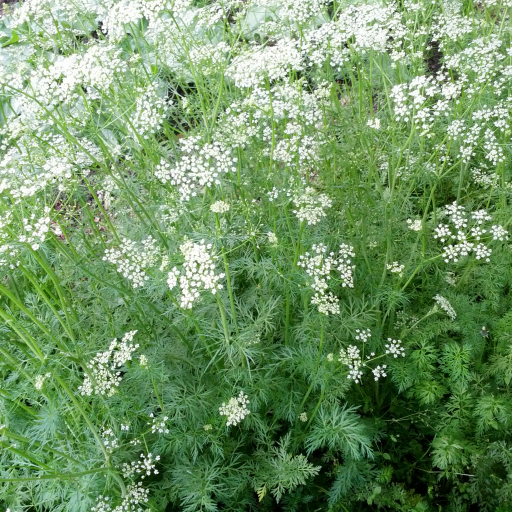
Plant Overview
Known globally as Cumin, this slender herb is a cornerstone of world cuisine, providing the smoky, earthy base for everything from Indian curries to Mexican salsas. Though we usually only see the dried seeds in our spice racks, the living plant is a delicate, lace-like beauty that has been cultivated for over 5,000 years, even finding its way into the tombs of ancient Egyptian pharaohs.
🔍 How to Identify
- 🌿 Feathery Foliage: The leaves are deeply divided and thread-like, resembling a finer, more compact version of dill or fennel.
- 🌸 Umbel Blooms: It produces tiny, star-shaped flowers that grow in small, flat-topped clusters called umbels, ranging in color from snowy white to a soft, dusky pink.
- 🌱 Growth Habit: A petite annual that stays close to the ground, typically reaching only 10–12 inches in height with a highly branched, uniform structure.
🏡 In Your Garden
- ☀️ Heat and Patience: Cumin requires a long, hot growing season of at least 120 days to produce its aromatic seeds. It thrives in Mediterranean-like climates and struggles in areas with cold, wet summers.
- 🪴 Sensitive Roots: Like many members of the carrot family, it possesses a delicate taproot that hates being disturbed. For the best results, sow seeds directly into well-draining soil rather than trying to transplant seedlings.
⚠️ Safety & Toxicity
- ✅ Safe for Humans: Cumin is a non-toxic culinary staple. While the seeds are the primary part consumed, the greens are also technically edible, though rarely used.
- 🐾 Pet Friendly: It is generally considered non-toxic to cats, dogs, and horses. However, as with any concentrated spice, keep large quantities of dried seeds away from pets to avoid potential digestive upset.
✨ Fun Fact
In the Middle Ages, cumin was a powerful symbol of greed and fidelity. It was believed that carrying cumin seeds would keep a lover from straying, and farmers even tucked seeds into chicken feed to prevent their poultry from wandering off the farm!

Detailed Care Instructions
| Lighting | Full Sun |
To grow Cuminum cyminum, also known as cumin, follow these steps:
- Start with high-quality seeds: Purchase good quality cumin seeds from a reliable source. It is important to ensure the seeds are fresh and viable.
- Choose the right location: Cumin plants prefer full sun, so select a spot in your garden or a sunny windowsill. They require a well-draining soil with good organic matter.
- Prepare the soil: Till the soil to loosen it, remove weeds, and amend it with organic compost or well-rotted manure to improve its fertility and drainage.
- Sow the seeds: Sow the cumin seeds directly into the prepared soil during the spring or early summer, after the last frost has passed. Space the seeds about 8-12 inches apart and sow them at a depth of approximately 1/4 inch. Gently cover the seeds with soil and pat it down.
- Watering: Keep the soil consistently moist but avoid over-watering, as cumin plants do not tolerate waterlogged soil. Water the plants regularly, especially during dry spells.
- Fertilization: Cumin plants are light feeders. Apply a balanced organic fertilizer or compost once a month to provide them with necessary nutrients.
- Weed control: Regularly remove any weeds that compete with the cumin plants for resources, as they can impact their growth.
- Pests and diseases: Monitor the plants for any signs of pests such as aphids or fungal diseases. If required, treat with appropriate organic insecticides or fungicides.
- Harvesting: Depending on the growing conditions, cumin plants take around 120-150 days to mature. Harvest the cumin seeds by cutting the stalks close to the ground when the seeds turn brown. Hang the stalks upside-down in a well-ventilated area to dry. Once dry, rub the stalks to separate the seeds from the plant.
- Storing: Store the dried cumin seeds in an airtight container in a cool, dark place to retain their flavor and aroma.
By following these steps, you can successfully grow cumin plants and enjoy fresh, flavorful cumin seeds for cooking and other purposes.

Place in a bright room that is sun drenched almost all day. Or directly in a south-facing window.

To water this plant, you should first check the soil moisture by sticking your finger about an inch deep into the soil. If the soil is dry, it's time to water. The plant prefers well-draining soil, so make sure not to overwater and create waterlogged conditions. Water the plant thoroughly, but avoid letting water sit in the saucer or container. It's best to water in the morning to promote optimum growth and avoid fungal issues. Additionally, the plant benefits from a light misting of water on its leaves to increase humidity levels.
To fertilize this plant, use a balanced 10-10-10 fertilizer in early spring just before the growing season begins. Apply the fertilizer evenly around the base of the plant and water thoroughly. Repeat the application every 6-8 weeks throughout the growing season. Avoid over-fertilizing as this can lead to excessive foliage growth and lower seed production. Also, give the plant enough water to avoid moisture stress, but do not overwater as this can lead to root rot.
The soil that is suitable for growing Cuminum Cyminum prefers well-draining soil with a pH level ranging between 6.0 to 7.0. The soil should also be rich in organic matter, such as compost or well-rotted manure, to provide the plant with sufficient nutrients. Additionally, the soil should have good water-holding capacity, as Cuminum Cyminum requires consistent moisture to thrive. It is recommended to mix perlite or sand with the soil to improve drainage.
The plant can be propagated via seeds. Start by planting the seeds in well-draining soil in a pot or directly in the garden bed. Water the seeds regularly and keep the soil moist. The ideal temperature for seeds to germinate is around 68-77°F (20-25°C). Germination usually occurs within 7-10 days.
Once the seeds have germinated, thin out the seedlings to ensure adequate space for growth. The plants prefer full sun and require regular watering and fertile soil for optimal growth. They can be harvested after 120-140 days.
To propagate the plant via cuttings, start by selecting a healthy, mature plant with multiple stems. Using a sharp, sterile knife, cut a 4-6 inch piece of stem from the plant, making sure to include a few leaves. Dip the cut end of the stem into rooting hormone and plant it in well-draining soil. Water the cutting regularly and keep it moist until it develops roots and begins to grow.
Common pests of the cumin include Spider mites, aphids, whiteflies. Make a habit of checking your cumin frequently for pests so that any infestations can be caught and managed early.








