Plant Overview
Known as the Appendaged Cigar Flower, Cuphea appendiculata is a vibrant Mexican native that brings a spark of color to any sunny landscape. Often confused with its "Cigar Plant" cousins, this species is distinguished by its unique, two-petaled "ears" that give the flowers a whimsical, almost alien appearance. It is a favorite for those looking to transform their garden into a bustling hub for hummingbirds and pollinators.
🔍 How to Identify
- 🌸 The "Ear" Petals: Unlike other Cupheas that lack visible petals, this species boasts two prominent, dark purple upper petals that stick up like tiny appendages or ears.
- 🚬 Tubular Blooms: The main body of the flower is a long, slender tube (the calyx), usually appearing in shades of deep violet to reddish-purple with a green-tipped opening.
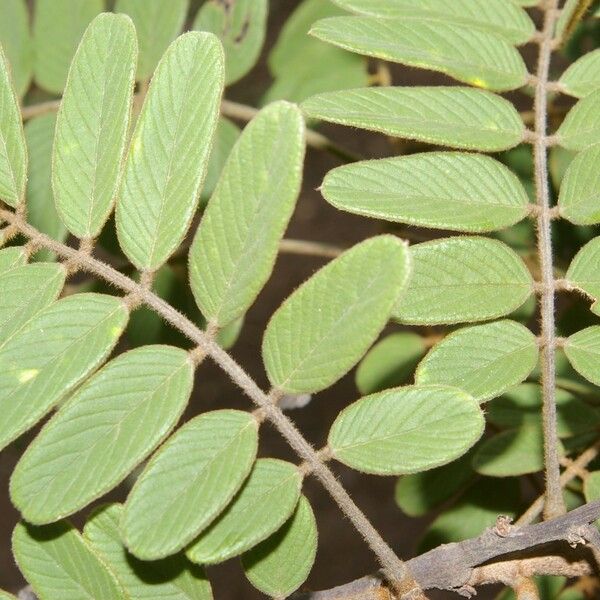
- 🌿 Pointed Foliage: The leaves are relatively small, lance-shaped, and arranged oppositely along stems that can become slightly woody at the base as the plant matures.
🏡 In Your Garden
- 🧚 Nectar Magnet: This plant is an absolute powerhouse for wildlife; its narrow tubular flowers are perfectly evolved for the long beaks of hummingbirds and the proboscises of specialized butterflies.
- 💧 Drainage is Key: While it enjoys regular moisture, it is highly sensitive to "wet feet." In heavy clay soils, it may struggle with root rot, so it’s best planted in raised beds or well-aerated potting mixes.
- ✂️ Bushy Growth: To prevent it from becoming "leggy" or sparse, give it a light trim after its main flowering flush. This encourages new, denser growth and more flower-bearing stems.
⚠️ Safety & Toxicity
- 🟢 General Safety: Cuphea appendiculata is generally considered non-toxic to humans and common household pets.
- 🐾 Mild Irritation: While not poisonous, the stems and leaves are covered in tiny, slightly sticky hairs that may cause very mild skin irritation for people with sensitive skin or minor digestive upset if pets graze on large quantities.
✨ Fun Fact
The name Cuphea is derived from the Greek word kyphos, which means "curved" or "humped." This refers to the shape of the seed capsule, which often develops a characteristic bulge as the seeds ripen inside!

Detailed Care Instructions

Place in a bright room that is sun drenched almost all day. Or directly in a south-facing window.

Some plants require more regular watering than others, which should be done every few days. It's critical to maintain the soil moist all of the time. The water requirements of the same plant placed in pots with varying sizes will differ. Because the water in the smaller pot evaporates faster than the water in the larger pot, it will require more watering. Regardless of pot size, the surface should constantly be maintained moist.








