Plant Overview
The Leyland Cypress is the undisputed king of the "living fence." A botanical accident born from two different tree genera, this fast-growing giant is the go-to choice for homeowners seeking instant privacy and a year-round windbreak. Often called the "Ultimate Privacy Screen," it provides a dense, green wall that can transform a busy backyard into a private sanctuary in record time.
🔍 How to Identify
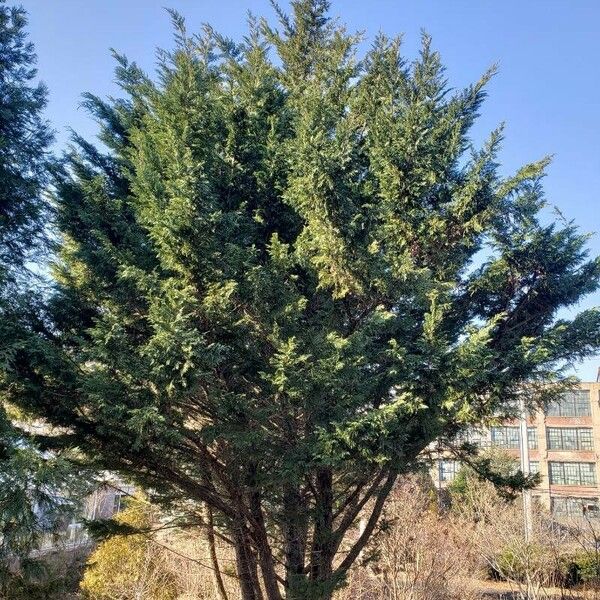
- 🌿 Foliage Structure: Unlike many pines, it features feathery, flattened sprays of scale-like leaves that feel relatively soft to the touch rather than prickly.
- 🌲 Growth Habit: It naturally forms a dense, narrow pyramidal or columnar shape, maintaining its foliage all the way to the ground.
- 🎨 Color Palette: The leaves are typically a deep, rich bluish-green, though popular cultivars like 'Castlewellan' may display vibrant golden tips.
🏡 In Your Garden
- 🚀 Supersonic Growth: This tree is famous for its speed, often growing up to 3 feet in a single year. This makes it perfect for new developments where the landscape feels "naked," but it requires a commitment to regular maintenance.
- ✂️ The Pruning Paradox: While it handles heavy trimming beautifully (making it great for formal hedges), you must stay on top of it. If left unmanaged, it can easily tower to 60 feet or more, potentially shading out your entire garden—or your neighbor's!
- 💧 Establishment Phase: While drought-tolerant once mature, its shallow root system makes it vulnerable to "windthrow" (toppling over) in heavy storms if the soil is too saturated or if the tree hasn't been properly anchored during its youth.
⚠️ Safety & Toxicity
- 🧤 Skin Sensitivity: The foliage and sap contain oils that can cause contact dermatitis. Many gardeners experience an itchy red rash after pruning, so it is highly recommended to wear long sleeves and gloves.
- 🐾 Pet & Livestock Warning: The tree is considered mildly toxic to dogs and cats if ingested in large quantities, but it is particularly dangerous for horses, leading to potential respiratory or gastric distress.
✨ Fun Fact
🧬 A Long-Distance Romance: The Leyland Cypress is a "natural hybrid" that almost never happens in the wild. Its parents—the Monterey Cypress and the Nootka Cypress—live over 400 miles apart in North America. They only met by chance in 1888 when they were planted near each other at Leighton Hall in Wales!

Detailed Care Instructions
| Humidity | High |
| Lighting | Shade |
| Toxicity | Poisonous |
| Difficulty | Medium |
| Temperature | 20°C - 30°C |
| Hardiness Zones | 3 - 7 |
Cupressus Leylandii, also known as Leyland cypress, is a fast-growing evergreen tree that is commonly used for hedging and landscaping. Here are some tips on how to grow Cupressus Leylandii successfully:
- Choose a suitable location: Leyland cypress trees prefer full sun to partial shade and well-draining soil. Make sure the planting site has enough space for the tree to grow and consider the eventual height and spread of the tree.
- Planting: Plant Leyland cypress trees in the spring or fall. Dig a hole that is slightly larger than the root ball of the tree and backfill with soil mixed with compost. Water the tree thoroughly after planting.
- Watering: Leyland cypress trees have moderate water needs. Water the tree regularly, especially during hot and dry weather. Avoid overwatering as it can lead to root rot.
- Fertilizing: Leyland cypress trees do not require frequent fertilization. You can apply a balanced slow-release fertilizer in the spring to promote healthy growth.
- Pruning: Leyland cypress trees can be pruned to maintain their desired shape and size. Prune in the late winter or early spring before new growth appears.
- Mulching: Mulch around the base of the tree to help retain moisture, suppress weeds, and protect the roots from extreme temperatures.
- Pest and disease control: Keep an eye out for common pests and diseases that can affect Leyland cypress trees, such as spider mites, bagworms, and canker diseases. Treat any infestations promptly to prevent damage to the tree.
By following these tips, you can successfully grow Cupressus Leylandii and enjoy its beauty in your garden or landscape.
When watering the Cupressus Leylandii plant, it is important to ensure that the soil is evenly moist but not waterlogged. This can be achieved by giving the plant a deep watering once a week, allowing the water to penetrate the roots. It is best to water in the early morning or late evening to reduce evaporation. Avoid watering the foliage, as this can lead to fungal diseases. Additionally, make sure to check the soil moisture levels before watering to prevent overwatering. It is also beneficial to mulch around the base of the plant to help retain moisture in the soil.
To fertilize this plant, apply a balanced fertilizer with equal amounts of nitrogen, phosphorus, and potassium in the spring before new growth begins. Water the plant thoroughly after fertilizing to help the nutrients penetrate the soil. Avoid over-fertilizing, as this can lead to nutrient imbalances and potential damage to the plant. Monitor the plant for signs of nutrient deficiency, such as yellowing leaves, and adjust the fertilizer application as needed.
Cupressus Leylandii plants thrive in well-draining soil with a pH level of around 6.0 to 7.0. A suitable soil mix for these plants would consist of a combination of sandy loam and organic matter, such as compost or peat moss, to provide ample nutrients and moisture retention. It is important to avoid heavy clay soils, as they can lead to poor drainage and root rot issues in Cupressus Leylandii plants. Adding perlite or sand to the soil mix can also help improve drainage and prevent waterlogged conditions. Additionally, incorporating a slow-release fertilizer into the soil during planting can help provide the necessary nutrients for healthy growth. Regular monitoring of soil moisture levels and proper watering practices are essential for maintaining the overall health and vigor of Cupressus Leylandii plants.
Cupressus Leylandii plants can be easily propagated through various methods such as using stem cuttings or seeds. To propagate using stem cuttings, take a cutting from a healthy, mature plant in the spring or early summer. The cutting should be about 4-6 inches long and taken from the tip of a branch. Remove the lower leaves from the cutting and dip the cut end in rooting hormone to promote root growth. Plant the cutting in a well-draining soil mix and keep it moist until roots have formed.
Alternatively, seeds can be harvested from mature Cupressus Leylandii cones and sown in a seed tray filled with seed-starting mix. Keep the tray in a warm, sunny location and keep the soil consistently moist. Once the seeds have sprouted, they can be transplanted into individual pots and grown until they are ready to be planted in the garden. Both methods of propagation can successfully grow new Cupressus Leylandii plants for your garden or landscape.








