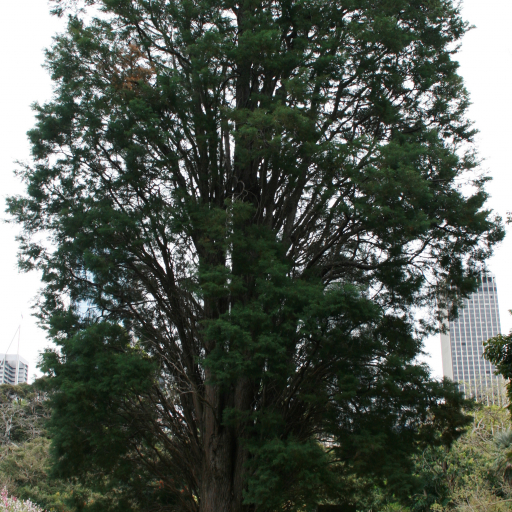
Plant Overview
Often called the Mexican White Cedar or the Cedar of Goa, Cupressus lusitanica is a majestic evergreen that tells a story of global travel. Despite its common names, it isn't a true cedar, nor is it native to Portugal. This fast-growing, elegant conifer is a favorite for large landscapes, prized for its symmetrical, pyramidal shape and its aromatic, blue-green canopy that stays vibrant all year long.
🔍 How to Identify
- 🍃 Foliage Texture: The leaves are tiny, scale-like, and pressed closely to the branchlets. They often have a "glaucous" or waxy bluish-green tint that feels soft to the touch compared to pricklier pines.
- 🌲 Tree Shape: In its youth, it grows in a perfect, tidy pyramid. As it matures, it develops a more massive, spreading crown with slightly pendulous (drooping) branch tips.
- 🌰 Small Cones: It produces marble-sized woody cones that start out a dusty green and turn a dark, grayish-brown as they ripen, often staying attached to the branches for several seasons.
🏡 In Your Garden
- 🛡️ The Ultimate Screen: Because of its rapid growth and dense branching, it is one of the best choices for a "living wall." It excels as a windbreak or a privacy hedge to block out noisy neighbors or dusty roads.
- 🏜️ Drought & Soil: While it loves a good drink while getting established, an adult Mexican White Cedar is remarkably drought-tolerant. It isn't picky about soil types, provided the ground doesn't stay waterlogged, which can lead to root rot.
- ✂️ Pruning Nuance: It handles shearing well if you want a formal shape, but avoid "topping" the tree (cutting the main vertical trunk), as this can ruin its natural architectural beauty and invite disease.
⚠️ Safety & Toxicity
- 🐾 Pet Safety: This plant is generally considered non-toxic to dogs, cats, and horses. However, it’s always best to discourage pets from chewing on the fibrous bark or foliage.
- 🧤 Skin & Allergies: Some gardeners may experience "Cypress Scratch," a mild skin irritation or rash caused by the sap or the fine foliage. Wearing gloves during pruning is recommended.
- 🤧 Pollen Note: In late winter or early spring, it releases fine yellow pollen. If you are a hay fever sufferer, you might find this tree a bit "sneezey" during its peak season.
✨ Fun Fact
The "Portugal" mystery: The species name lusitanica refers to Portugal, but the tree is actually native to Mexico and Central America! It earned its confusing name because it was first described by botanists from specimens growing at a monastery in Portugal, where it had been imported and cultivated by monks in the 1600s.

Detailed Care Instructions
To grow Cupressus Lusitanica (Lusitanian Cypress), you can follow the steps given below:
- Choose the right location: Cupressus Lusitanica prefers full sun to partial shade exposure. Select a location with well-draining soil that is not prone to waterlogging.
- Soil preparation: Prepare the soil by loosening it and removing any weeds or grass. Add organic matter like compost or well-rotted manure to improve soil fertility and drainage.
- Planting: Dig a hole twice as wide and deep as the root ball of the plant. Place the plant in the hole and backfill with soil, firming it gently around the base of the plant. Ensure that the plant is planted at the same level it was in the nursery container.
- Watering: Water the newly planted Cupressus Lusitanica thoroughly and deeply to settle the soil around the roots. Afterward, water regularly, especially during dry spells, to keep the soil consistently moist. However, avoid overwatering, as excessive water can cause root rot.
- Mulching: Apply a layer of mulch around the base of the plant to help conserve moisture, suppress weed growth, and regulate soil temperature.
- Fertilizing: Cupressus Lusitanica generally does not require heavy fertilization. However, you can apply a balanced slow-release fertilizer in early spring to promote healthy growth.
- Pruning: Pruning is not necessary for Cupressus Lusitanica. However, you may trim or shape the plant lightly to maintain its desired form.
- Pest and disease control: Monitor the plant regularly for the presence of pests, such as cypress aphids or spider mites. Treat any infestations promptly with appropriate insecticides or horticultural oils. Cupressus Lusitanica is generally resistant to most diseases.
- Winter protection: If you are in a colder climate, protect the plant from severe frost or cold winds by wrapping it with burlap or using other protective coverings.
- Maintenance: Regularly check the plant for any signs of stress, such as yellowing or browning foliage, and address any issues promptly. Keep the area around the plant free from weeds and ensure good airflow to prevent fungal diseases.
By following these guidelines, you can successfully cultivate and grow Cupressus Lusitanica in your garden or landscape.

Place in a bright room that is sun drenched almost all day. Or directly in a south-facing window.

Cupressus Lusitanica is a type of plant that requires consistent watering, especially during the growing season. When watering this plant, it is important to ensure that the soil remains evenly moist but not overly saturated, as excessive water can lead to root rot and other issues.
To water Cupressus Lusitanica, it is recommended to use a watering can or hose with a gentle spray nozzle to avoid damaging the delicate foliage. Water should be applied directly to the soil around the base of the plant, rather than overhead, to ensure that the roots receive adequate moisture.
The frequency of watering will depend on a number of factors, including the weather conditions, soil type, and size of the plant. However, as a general guideline, it may be necessary to water Cupressus Lusitanica once or twice a week during the growing season, and less frequently during the dormant period.
In addition to regular watering, it is also important to monitor the soil moisture levels and adjust watering practices accordingly. Soil that is consistently dry or overly wet can lead to health problems for the Cupressus Lusitanica plant, so it is important to strike a balance between the two.
Overall, giving Cupressus Lusitanica the right amount of water is essential for promoting healthy growth and ensuring that the plant thrives in its environment. By following these guidelines, it is possible to maintain a healthy and attractive Cupressus Lusitanica plant for years to come.
To fertilize this plant, first make sure it's planted in well-draining soil. Then mix a balanced, slow-release fertilizer into the soil around the base of the plant, being careful not to touch the trunk. Water the plant deeply immediately after fertilizing. Repeat the application once or twice a year, depending on the plant's growth and the soil's nutrient levels. Avoid over-fertilization, as it can damage the roots and lead to excessive growth.
Cupressus Lusitanica plant thrives in a well-drained soil that is fertile and retains moisture. The ideal soil for this plant is slightly acidic with a pH of between 6.0 to 6.5. It should be rich in organic matter and have good drainage properties to ensure that the plant does not suffer from waterlogging. In addition, the soil should be loose and friable to provide good aeration and enable the roots to spread easily. It's important to avoid using heavy clay or sandy soil, as they don't provide enough nutrients or retain enough moisture. Instead, a loamy soil with a good balance of sand, silt, and clay is ideal. This will provide the plant with the nutrients it needs to grow healthily and ensure that it can absorb water effectively.
To propagate this plant, you should first collect mature cones from the parent plant. Next, the cones should be opened to collect the seeds. The seeds should then be stratified in a moist environment for several weeks to prepare them for germination.
Once the seeds have been stratified, they can be sown in propagating trays filled with a well-draining soil mix. The trays should be kept moist and in a warm, bright location. After several weeks, the seedlings should begin to emerge.
As the seedlings grow, they should be gradually acclimated to outdoor conditions by placing them outside for a few hours each day. Once they are strong enough, they can be transplanted into individual pots or directly into the ground.
It is important to keep the young plants well-watered and protected from extreme temperatures and pests until they are established. With proper care, the new Cupressus Lusitanica plants should thrive and eventually reach maturity.








