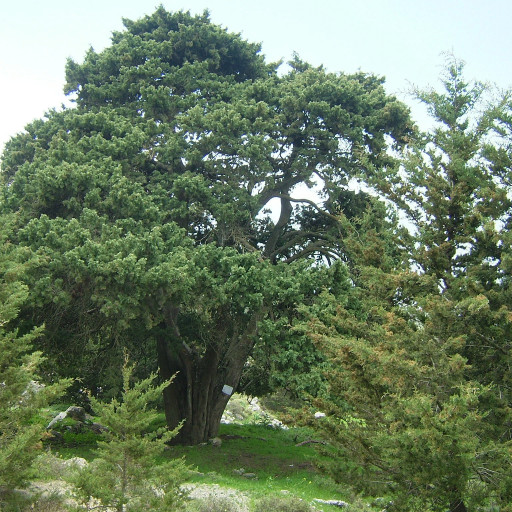
Plant Overview
Known as the "Italian Cypress" or "Pencil Pine," this iconic evergreen is the vertical soul of the Mediterranean landscape. Often associated with the rolling hills of Tuscany or ancient sacred sites, it has long symbolized mourning, transition, and immortality. Its slender, dark green silhouette has inspired poets and painters for centuries, most notably appearing as a dramatic, flame-like figure in the masterpieces of Vincent van Gogh.
🔍 How to Identify
- 🌲 Growth Habit: A remarkably narrow, columnar tree that grows straight upward like a living pillar, often reaching heights of 60 feet while staying only a few feet wide.
- 🍃 Foliage: Covered in tiny, scale-like leaves that are pressed tightly against the twigs, creating a dense, carpet-like texture that stays dark green year-round.
- 🌰 Seed Cones: Produces small, woody, globe-shaped cones about an inch long. They start green and ripen to a dull brown, resembling miniature, weathered soccer balls.
🏡 In Your Garden
- ☀️ Drought Warrior: Once established, the Italian Cypress is incredibly resilient to heat and water scarcity. It is a favorite for "Xeriscaping" because it thrives in dry, sunny spots where other trees might wither.
- 🌬️ Natural Architecture: Because of its height and density, it is often planted in rows to create formal "living walls" or windbreaks. It requires excellent drainage; "wet feet" from overwatering or heavy clay can quickly lead to root rot.
- ✂️ Low Maintenance: Unlike many hedges, this cypress naturally maintains its pencil-thin shape. You rarely need to prune it unless you are removing a stray branch that has "splayed" out due to heavy snow or wind.
⚠️ Safety & Toxicity
- 🤧 Allergen Level: High. The male cones produce massive amounts of fine, yellow pollen in late winter and early spring, which can be a significant trigger for hay fever sufferers.
- 🐾 Pet Safety: The foliage and cones are generally considered non-toxic to dogs and cats, though ingestion of any evergreen needles can cause mild stomach upset or vomiting.
- 🖐️ Skin Sensitivity: Some people may experience a mild itchy rash (contact dermatitis) when handling the foliage or sap during pruning.
✨ Fun Fact
🏛️ The Wood of History: The wood of Cupressus sempervirens is incredibly fragrant and nearly rot-proof. The original massive doors of St. Peter’s Basilica in Rome were carved from this cypress wood and lasted over 800 years without decaying before they were finally replaced.

Detailed Care Instructions
| Color | Gray To Brown Bark With Dark Green Foliage |
| Soil Ph | Acidic To Alkaline |
| Lighting | Full Sun |
| Toxicity | Non-Toxic |
| Soil Type | Moist, Well-Draining, Sand, Clay, Chalk, Loam |
| Bloom Time | Spring |
| Plant Type | Coniferous Evergreen Tree |
| Mature Size | Up To 115 Feet Tall And 20 Feet Wide |
| Native Area | Eastern Mediterranean Area |
| Sun Exposure | Full Sun |
| Hardiness Zones | 7-10 |
To grow Cupressus sempervirens, also known as Italian cypress or Mediterranean cypress, follow these steps:
- Climate and soil: Ensure that you live in a region with a Mediterranean climate, as this plant thrives in mild, temperate conditions. Cupressus sempervirens prefers well-draining soil with a pH ranging from slightly acidic to slightly alkaline.
- Select a suitable location: Choose a sunny spot for your Italian cypress, as it enjoys full sun exposure. It's important to consider the height and spread of the tree, as they can reach up to 60 feet (18 meters) in height. Give it enough room to grow without interfering with other structures or plants.
- Planting: Dig a hole twice as wide as the root ball and equally as deep. Place the sapling in the hole and backfill with soil, gently firming it around the roots. Water thoroughly after planting to settle the soil and eliminate air pockets.
- Watering: Newly planted Cupressus sempervirens requires regular watering until it becomes established. Water deeply once a week during dry spells or when rainfall is scarce. After the tree is established, it is more drought-tolerant but will still benefit from occasional watering during prolonged dry periods.
- Mulching: Apply a layer of organic mulch 1-2 inches (2.5-5 cm) thick around the base of the tree. Mulching helps retain moisture, suppress weed growth, and regulate soil temperature.
- Pruning: Cupressus sempervirens requires minimal pruning, but you can shape it as desired in late winter or early spring. Remove any dead or diseased branches and maintain a balanced shape by trimming the sides and top. Avoid heavy pruning, as it can lead to sparse growth.
- Fertilizing: Italian cypress usually doesn't require additional fertilization if grown in nutrient-rich soil. However, you can apply a slow-release balanced fertilizer in spring if desired.
- Pests and diseases: Cupressus sempervirens is relatively resistant to pests and diseases. However, watch out for aphids, spider mites, and cypress canker. To prevent or manage these issues, maintain good tree health, provide proper care, and promptly address any pest or disease problems.
Remember that Cupressus sempervirens is a long-lived tree, so choose a planting location where it can thrive for many years.

Place in a bright room that is sun drenched almost all day. Or directly in a south-facing window.

To properly water this type of plant, you should assess the soil moisture level before watering. Using your finger or a moisture meter, check the top inch of soil to see if it is dry or moist. If the soil is already moist, it is not necessary to water at this time. However, if the soil is dry, water the plant deeply so that the roots can absorb the water.
Make sure to water the plant at the base and avoid getting water on the foliage or needles. This can cause potential damage or diseases. You can water either by hand or by using a drip irrigation system. If using a watering can or hose, make sure to water slowly to ensure even absorption.
In general, Cupressus Sempervirens prefers well-draining soil that is not constantly saturated with water. Overwatering can lead to root rot and other issues. It is important to also avoid watering during periods of heavy rain or wet weather to prevent waterlogged soil.
To fertilize this plant, choose a slow-release fertilizer specifically formulated for evergreen trees. Apply the fertilizer in the spring, just as new growth begins to emerge. Use a garden fork or shovel to create small holes throughout the root zone of the plant, then scatter the fertilizer granules over the soil surface. Water well after fertilizing to help the nutrients penetrate the soil and reach the root system. Avoid over-fertilizing, as this can cause excessive growth that can weaken the plant and make it more susceptible to diseases and pests.
For optimal growth and health, it is recommended to use well-draining soil with good aeration properties. The soil should be slightly acidic to neutral in pH, with a range of 6.0-7.5 being optimal. Organic matter mixed into the soil can help retain moisture while also providing essential nutrients. It is important to avoid soil that is overly compacted or heavy, as this can lead to poor root development and ultimately, stunted growth. Additionally, it is important to ensure the soil is free from any potential pathogens or diseases that could harm the plant, and to maintain proper irrigation and drainage to prevent waterlogging.
To propagate this plant, take semi-hardwood cuttings in late summer or early autumn. Choose healthy stems that are firm to the touch and have not yet hardened. Cut a length of stem around 4-6 inches long, just below a node or leaf joint. Remove the lower leaves from the cutting, leaving just a few at the top. Dip the base of the cutting in rooting hormone powder and insert it into a pot filled with a well-draining rooting mix. Water the cutting and cover it with a clear plastic bag to create a humid environment. Place the pot in a warm, bright spot but away from direct sunlight. Keep the soil moist but not waterlogged. After around 4-6 weeks, check for signs of new growth, indicating that rooting has occurred. Once rooted, the new plant can be transplanted into a larger pot or planted directly into the ground.








