Plant Overview
Known as the ultimate "privacy wall," the Leyland Cypress is a fast-growing hybrid that has become a staple in suburban landscapes across the globe. Born from a chance encounter between two North American species in a Welsh garden in 1888, this evergreen is celebrated for its ability to create a dense, living fence in record time. While it’s the go-to choice for blocking out noisy neighbors or wind, its rapid growth is both its greatest strength and its biggest challenge for homeowners.
🔍 How to Identify
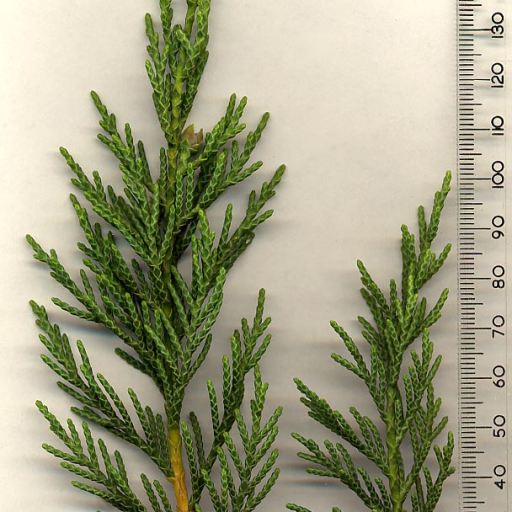
- 🌿 Foliage Structure: Look for flattened, feathery sprays of scale-like leaves. Unlike some pines with needles, these leaves feel soft to the touch and are arranged in fan-like clusters.
- 🌲 Growth Habit: It naturally forms a sharp, symmetrical pyramidal or columnar shape. In its youth, it stays very tidy, but it can quickly reach heights of 50 feet or more if left unpruned.
- 🌰 Small Cones: It produces tiny, woody, spherical cones about half an inch in diameter. They start green and turn a dark brown as they mature, typically containing about 5 to 8 seeds.
🏡 In Your Garden
- 🚀 The Speed Demon: This plant is famous for growing up to 3 feet per year. Because of this, it’s vital to plant them at least 6–10 feet apart; planting them too close leads to poor air circulation, which can invite "Seiridium canker," a common fungal disease.
- 🌬️ Root Awareness: While they grow tall quickly, their root systems are relatively shallow. In very windy areas or during heavy saturated soil conditions, tall, unmaintained Leylands are prone to "toppling" over. Regular pruning not only keeps them at a manageable height but also helps them develop a sturdier structure.
⚠️ Safety & Toxicity
- 🧤 Skin Irritant: The sap of the Leyland Cypress contains compounds that can cause "Conifer Dermatitis." Always wear gloves and long sleeves when pruning to avoid an itchy, red rash.
- 🐾 Pet & Livestock Safety: While generally ignored by cats and dogs, the foliage is considered mildly toxic if eaten in large quantities. It is particularly known to cause issues for horses and cattle if they graze on the branches.
✨ Fun Fact
The Leyland Cypress is a "sterile hybrid," meaning it rarely reproduces on its own in the wild. Almost every Leyland Cypress you see today is a clone, grown from cuttings rooted from the original hybrid trees discovered in the late 19th century!

Detailed Care Instructions
To grow Cupressus x Leylandii (Leyland cypress) plants, follow these steps:
- Choose a suitable location: Leyland cypress prefers full sun to partial shade. Select a spot in your garden with well-draining soil.
- Prepare the soil: Leyland cypress can tolerate a wide range of soil types, but they prefer slightly acidic to slightly alkaline soil. Amend the soil with organic matter, such as compost, to improve drainage and fertility.
- Dig a hole: Dig a hole that is twice the width and slightly deeper than the root ball of the plant.
- Plant the Leyland cypress: Gently place the plant in the hole, making sure it is centered and upright. Backfill the hole with soil and firm it gently around the base of the plant.
- Water thoroughly: After planting, water the plant thoroughly to settle the soil and ensure good root establishment. Keep the soil evenly moist but not waterlogged during the first year.
- Mulch the base: Apply a layer of organic mulch, such as wood chips or bark, around the base of the plant. Mulching helps retain moisture and suppresses weed growth.
- Prune as necessary: Leyland cypress can grow quite rapidly. Prune to maintain the desired shape and size. Begin pruning after the first year of growth.
- Fertilize: Apply a balanced fertilizer formulated for evergreen trees in spring, following the instructions on the product label. Avoid excessive fertilization, as it can lead to excessive growth.
- Monitor for pests and diseases: Keep an eye out for common pests, such as aphids or spider mites, and promptly treat them if necessary. Also, watch for signs of diseases like cypress canker, which can cause dieback.
- Regular maintenance: Leyland cypress plants may require regular maintenance, including regular watering, pruning, and monitoring for any issues.
Remember to check your local regulations before planting Leyland cypress, as in some areas, they are considered invasive.

Place in a bright room that is sun drenched almost all day. Or directly in a south-facing window.

To water this plant, you should first check the soil to determine if it is dry. If the soil is dry, you should water the plant deeply and thoroughly. Allow the water to soak in completely before watering again. Avoid overwatering the plant, as this can lead to root rot. Additionally, it is important to ensure that the plant is not sitting in water, as this can also lead to root rot. Provide good drainage to prevent this from happening. Water your plant as needed, depending on the climate and time of year.
- Begin by selecting a high-quality fertilizer that is formulated for evergreen trees and shrubs.
- Ensure that the fertilizer contains balanced ratios of essential nutrients like nitrogen, phosphorus, and potassium.
- Apply the fertilizer during the active growing season, which typically falls between April and September.
- Always follow the instructions on the fertilizer packaging, as over-fertilizing can lead to burning and damage to the plant.
- When applying the fertilizer, distribute it evenly around the base of the plant.
- Water the plant thoroughly after fertilizing to help the nutrients penetrate the soil and reach the root system.
- Repeat the fertilizing process once or twice a year, depending on the age and size of the plant.
The best type of soil to use for Cupressus X Leylandii plant is a well-balanced soil with good drainage. It should ideally be a medium to heavy soil with a slightly acidic pH level. The soil should not be too rich in nutrients, as this can cause the tree to grow too quickly and become too tall and unstable. Instead, a soil with a moderate nutrient content should be used, with good water-holding capacity and a good supply of oxygen. The soil should be well-aerated, with good drainage to avoid waterlogging. Some organic matter can be added to the soil to improve its structure and nutrient content, but care must be taken not to add too much as this can lead to fungal diseases. Overall, a well-draining, slightly acidic soil with moderate nutrient content and good water-holding capacity is the best option for growing Cupressus X Leylandii plants.
To propagate the plant, take stem cuttings about 6-8 inches long from healthy, mature branches. Remove the lower leaves and dip the cut end in rooting hormone. Plant the cutting in a well-draining soil mixture and water regularly. Keep the cutting in a warm, bright location out of direct sunlight until it develops roots. Once the cutting has roots, gradually acclimate it to more sunlight and less humidity. Transplant into a larger pot or garden bed when the roots have fully established.








