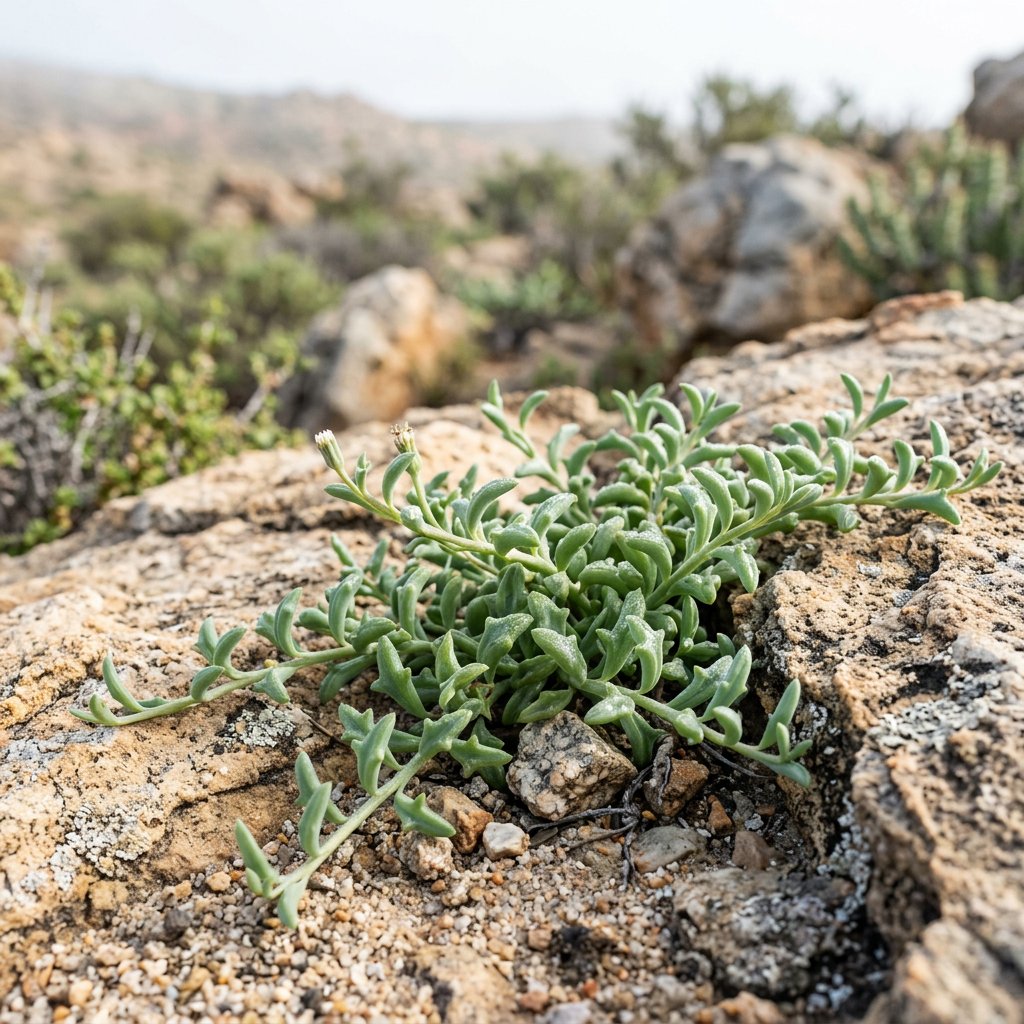
Plant Overview
Known affectionately as the String of Tears or String of Watermelons, this South African trailing succulent is a living piece of botanical jewelry. Unlike its more famous cousin, the String of Pearls, this plant features teardrop-shaped leaves decorated with delicate purple and green stripes. It is a hardy survivor that brings a sense of whimsical motion to high shelves and hanging baskets.
🔍 How to Identify
- 💧 Leaf Shape: Plump, almond-shaped, or teardrop-like leaves that are slightly pointed at the tips, rather than perfectly spherical.
- 🎨 The "Watermelon" Pattern: Look for translucent "windows" and dark vertical stripes along the leaves that mimic the rind of a watermelon.
- 🌿 Growth Habit: Long, slender purple-tinted stems that can trail several feet, creating a dense, curtain-like effect over time.
🏡 In Your Garden
- ☀️ Light & Color: While it loves bright, indirect light, a little bit of direct morning sun can "stress" the plant in a beautiful way, causing the purple stripes to become much more vivid.
- 🪴 Soil & Drainage: This plant is prone to root rot if left in soggy soil. It thrives best in a terracotta pot which "breathes," helping the soil dry out between waterings.
- ✂️ Easy Propagation: If a vine gets too long or "leggy," simply snip it off and tuck the end back into the soil; it roots remarkably fast from the leaf nodes.
⚠️ Safety & Toxicity
- 🐾 Status: Toxic to pets.
- 🤢 Details: If ingested by cats or dogs, it can cause lethargy, drooling, and stomach upset. The sap may also cause mild skin irritation or dermatitis in humans, so it is best to wear gloves when pruning if you have sensitive skin.
✨ Fun Fact
Those clear, slit-like stripes on the leaves aren't just decorative—they are "epidermal windows." They allow sunlight to enter the interior of the leaf, allowing the plant to photosynthesize from the inside out!

Detailed Care Instructions
To grow a Curio Herreanus, also known as String of Bananas or Fishhooks, follow these steps:
- Choose a suitable location: Curio Herreanus prefers bright but indirect sunlight. Find a spot near a window where it receives indirect sunlight for a few hours each day. Avoid direct sunlight as it may scorch the leaves.
- Select a well-draining pot: Use a container with drainage holes to prevent overwatering. A terracotta or clay pot works well as it allows the soil to dry out faster.
- Potting mix: Use a well-draining soil mix suitable for succulents or cacti. Add some perlite or sand to the mix to improve drainage.
- Propagation: You can propagate the plant by taking stem cuttings. Gently remove a few stems from a mature plant, making sure each cutting has at least a couple of leaves. Allow the cut ends to dry for a day or two, then plant them in well-draining soil.
- Watering: Water the Curio Herreanus sparingly, allowing the soil to dry out between waterings. Overwatering can lead to root rot. The plant is drought-tolerant and prefers being slightly underwatered rather than overwatered.
- Temperature and humidity: This plant thrives in average indoor temperatures between 65-75°F (18-24°C). It can handle slightly cooler temperatures but should be protected from frost. Curio Herreanus enjoys average room humidity, but it can adapt to low humidity as well.
- Fertilizing: Feed the plant every 2-4 weeks during the growing season, using a balanced liquid fertilizer diluted to half strength. Avoid overfertilizing, as this can cause salt buildup in the soil.
- Pruning: Regularly prune to maintain the desired shape and prevent it from becoming leggy. Simply snip off any excess growth with clean scissors or pruning shears.
- Pests and diseases: Curio Herreanus is generally pest-resistant but can occasionally be susceptible to mealybugs or spider mites. Inspect the plant regularly for any signs of pests and take appropriate action if necessary.
By following these steps, you should be able to successfully grow a Curio Herreanus plant. Enjoy watching it grow and cascade with its unique and appealing banana-shaped leaves!

Place in a bright room that is sun drenched almost all day. Or directly in a south-facing window.

When watering this particular plant, it is important to wait until the top inch of soil is completely dry before watering it again. This will help prevent overwatering and root rot. When watering, pour water slowly onto the soil, avoiding getting water on the leaves or stem of the plant. Allow any excess water to drain out of the bottom of the pot. It is best to use distilled water, as this plant is sensitive to minerals found in tap water. In the winter months, reduce watering frequency as the plant will go into a dormant phase.
To promote healthy growth and development of this plant, it is recommended to fertilize it during the growing season once a month.
Use a balanced fertilizer that is diluted to half-strength and apply it to the soil.
Water the plant thoroughly after fertilizing to ensure that the nutrients are absorbed by the roots.
Avoid over-fertilizing, as this can cause damage to the plant.
If the plant starts to show signs of nutrient deficiencies or slow growth, increase the frequency of fertilizing.
The soil for Curio Herreanus should be well-draining and rich in nutrients. It should have a neutral pH level that ranges from 6.0 to 7.5. A blend of organic matter such as peat moss, compost, and perlite or sand can be used to create the perfect soil mix. The soil should be light and fluffy to aid in drainage and air circulation. Additionally, it is recommended to add a slow-release fertilizer to the soil mixture to provide adequate nutrients for maximum growth. Overwatering should be avoided, as it can lead to root rot and damage the plant.
To propagate this plant, begin by selecting a healthy and mature stem. It should not be too young or too old. Cut the stem gently with a clean and sharp knife. The cutting should be about 3-4 inches in length with one or two leaves. Remove the leaves on the lower side of the cutting. This is where the roots will grow, so make sure there are no leaves in the way.
Next, prepare a well-draining soil mix made of peat moss, perlite, and sand. The ratio should be 1:1:1. Make sure the soil is moist, but not soaking wet.
Place the cutting into the soil mix, leaving at least one node under the soil. This is where the roots will grow from. Firmly press the soil around the cutting to secure it in place.
Place the pot in a bright and warm spot, but not in direct sunlight. Keep the soil moist, but not waterlogged. After a few weeks, the cutting should start growing roots. You can gently tug on the cutting to see if it has rooted.
Once the roots are established, the new plant can be moved to a bigger pot or planted in the garden. Make sure to keep the new plant in a similar environment as the parent plant to ensure it grows healthy and strong.
Common pests of the string of watermelons include Mealybugs, spider mites, thrips. Make a habit of checking your string of watermelons frequently for pests so that any infestations can be caught and managed early.








