Plant Overview
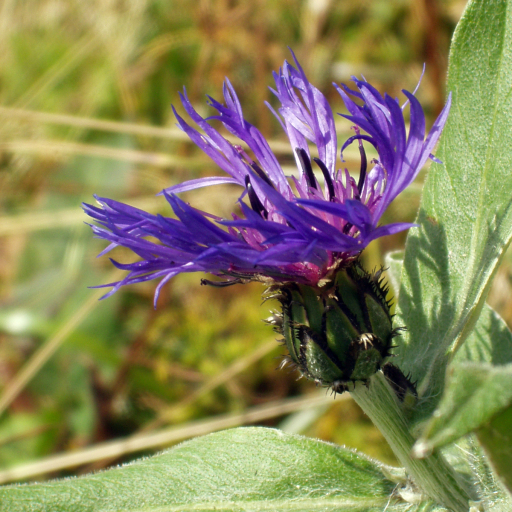
Known as the "Mountain Cornflower" or the "Perennial Bachelor’s Button," this European mountain native is a beloved staple of the cottage garden. It is famous for its architectural, star-burst flowers that deliver a rare, electric-blue pigment to the landscape. Unlike its annual cousins, this hardy perennial returns year after year, forming lush, silvery mounds that signal the transition from spring to summer.
🔍 How to Identify
- 🌸 The Bloom: Deep violet centers surrounded by ragged, "spidery" outer petals in a striking shade of cornflower blue.
- 🍃 The Foliage: Long, lance-shaped leaves that feature a soft, silvery-grey fuzz on the undersides, giving the plant a shimmering appearance.
- 🌱 Growth Habit: It grows in low, spreading clumps that reach about 12 to 24 inches in height, often forming dense mats over time.
🏡 In Your Garden
- ✂️ Post-Bloom Refresh: This plant is a fast grower and can look a bit "floppy" once the first heavy flush of flowers fades. Cutting the stems back to the ground after blooming encourages a fresh set of foliage and often a second, smaller bloom in late summer.
- 🐝 Pollinator Buffet: It is a high-value nectar plant. If you sit quietly near a patch, you will likely see a constant parade of bumblebees and butterflies visiting the fringed petals.
- 🌍 Adaptability: While it prefers well-drained soil, it is famously unfussy. It can handle rocky terrain and drought once established, though it may spread aggressively via underground runners if the soil is too rich.
⚠️ Safety & Toxicity
- 🐾 Pet Safety: Cyanus montanus is generally considered non-toxic to dogs, cats, and horses, making it a safe choice for pet-friendly landscapes.
- 👶 Human Interaction: It is non-poisonous to humans. However, some sensitive individuals may experience mild skin irritation (dermatitis) if handling the fuzzy stems for long periods, so gardening gloves are recommended during heavy pruning.
✨ Fun Fact
In historical European folklore, young men would wear a cornflower in their lapel to signal they were "available" for marriage. If the flower faded quickly, it was an omen that their love was unrequited; if it stayed fresh, the romance was destined to last!

Detailed Care Instructions
| Humidity | Normal |
| Lighting | Full Sun |
| Difficulty | Medium |
| Hibernation | Cold Period |
| Hardiness Zones | 3 - 8B |
To grow Cyanus Montanus, also known as Mountain Cornflower or Mountain Bluet, you can follow these steps:
- Choose a suitable location: Cyanus Montanus prefers full sun to partial shade, so select a spot in your garden that receives at least six hours of direct sunlight per day.
- Prepare the soil: Ensure that the soil is well-drained and loamy. Amend heavy clay or sandy soil by adding organic matter like compost or well-rotted manure to improve its fertility and drainage.
- Sow the seeds: You can start growing Cyanus Montanus from seeds. Sow the seeds directly into the garden after the last frost in spring or early summer. Scatter the seeds on the prepared soil and gently press them into the ground. Keep the seeds about 12 inches apart.
- Watering and maintenance: Water the newly sown seeds lightly until they germinate. Once the plants are established, water them regularly, keeping the soil evenly moist but not waterlogged. Cyanus Montanus is relatively drought-tolerant but would benefit from regular watering during dry spells. Avoid overhead watering as it may promote diseases. Mulching around the plants can help retain moisture and suppress weed growth.
- Provide support: Cyanus Montanus plants can grow tall and may require support to prevent them from bending or falling over. You can use stakes or plant supports like a trellis to keep the plants upright.
- Deadhead spent flowers: To encourage continuous blooming, deadhead or remove faded flowers regularly. This will also prevent the plant from self-seeding excessively.
- Prune and divide: After the blooming season, you can prune the plant to maintain its shape and remove any dead or damaged growth. Additionally, every few years, you can divide overcrowded clumps in early spring to rejuvenate the plant and promote better blooming.
- Pest and disease control: Mountain Bluet is relatively pest and disease resistant. However, keep an eye out for common garden pests like aphids, slugs, or snails, and take appropriate measures if needed.
By following these steps, you can successfully grow and care for Cyanus Montanus plants in your garden.

Place in a window with dappled sun or a spot in the middle of a room. Or directly in a window facing west or east.

To water this plant, ensure that the soil is dry to the touch before watering. It prefers well-draining soil and does not tolerate standing water. When watering, apply water directly to the soil around the base of the plant rather than spraying water on the leaves or flowers. Depending on the climate and humidity levels, the plant may need watering once or twice a week. It is important to not overwater this plant as it can lead to root rot.
To fertilize this plant, use a balanced, water-soluble fertilizer and apply it at a rate recommended by the manufacturer. Feed the plant every two weeks during the growing season, which typically runs from spring to fall. Water the plant thoroughly before and after fertilizing to prevent root burn. Avoid fertilizing during the winter months when growth slows.
Cyanus Montanus plants prefer a well-draining soil that is rich in organic matter. The soil should be slightly acidic to neutral, with a pH range of 5.5 to 7.5. It is important to avoid using heavy or compacted soils, which can lead to poor drainage and root rot. A sandy loam or loamy soil is ideal for these plants. If the soil in the planting area does not meet the requirements, it may need to be amended with compost or other organic matter to improve its quality. Additionally, it is important to avoid over-watering or allowing the soil to become waterlogged, which can also lead to root rot. Regular soil testing can help ensure that the soil remains within the ideal pH range for the plants.
To propagate this plant, select a healthy and mature plant that is at least one year old. Use sharp and clean pruning shears to cut a healthy stem from the plant, making sure the cut is clean and straight. Remove the leaves from the bottom half of the stem and dip the cut end in rooting hormone. Plant the stem in a well-draining potting mix and water thoroughly. Cover the pot with a plastic bag or clear plastic wrap to create a mini-greenhouse. Place the pot in a bright, indirect light and keep the soil moist. After a few weeks, new growth should appear, and the plant can be removed from the mini-greenhouse. Allow it to continue growing in its new pot and transfer it to a larger pot or the garden when it outgrows the current container.
Common pests of the perennial cornflower include Spider mites, aphids. Make a habit of checking your perennial cornflower frequently for pests so that any infestations can be caught and managed early.








