Plant Overview
Often called the Achocha or the Stuffing Cucumber, Cyclanthera pedata is an ancient Andean treasure that bridges the gap between a cucumber and a bell pepper. This vigorous climbing vine was a staple for the Moche civilization of Peru, appearing frequently in their ancient pottery. Today, it is beloved by gardeners for its "hollow" fruits that serve as the perfect vessel for savory fillings.
🔍 How to Identify
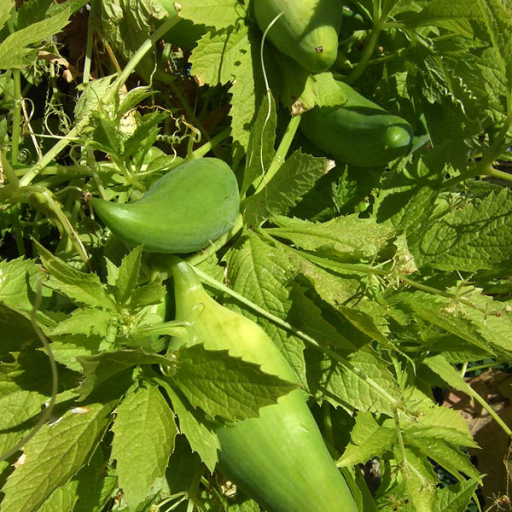
- 🖐️ Pedate Leaves: The plant gets its name from its distinctive leaves, which spread out like the fingers on a hand (typically 5 to 7 lobes).
- 👟 Slipper-Shaped Fruit: The fruits are pale green, teardrop-shaped, and slightly curved, often resembling a small, soft slipper or a deflated chili pepper.
- 🖤 Exploding Seeds: When fully mature, the fruit is hollow inside, containing several unique, irregular black seeds that look almost like charred bits of wood or small puzzle pieces.
🏡 In Your Garden
- 🧗 The Ultimate Climber: This plant is an aggressive grower and requires a sturdy trellis or fence. It uses delicate tendrils to pull itself upward, easily reaching heights of 10 to 15 feet in a single season.
- 🥗 Harvesting Nuance: For the best flavor, pick the fruits when they are about 2–3 inches long; at this stage, they are crunchy and can be eaten raw like a cucumber. If left to mature, they become hollow and are best cooked or stuffed.
- 💧 Thirst & Temperature: While it loves consistent moisture, it is more "mountain-hardy" than its tropical cousins, preferring the slightly cooler, temperate nights of its Andean heritage over blistering, stagnant heat.
⚠️ Safety & Toxicity
- ✅ Edible Status: The fruit is entirely edible and is considered a nutritious vegetable in South American cuisine.
- 🐶 Pet Safety: There is no known toxicity to cats or dogs, making it a "pet-safe" alternative to more sensitive garden vines.
- 💊 Medicinal Note: In traditional medicine, it is often used to help manage cholesterol, so those on blood pressure or cholesterol medication should consult a doctor before consuming it in large, therapeutic quantities.
✨ Fun Fact
In the Andes, the Caigua is known as the "fat-absorber." Local folklore and some modern studies suggest that consuming the raw juice or dried fruit powder can help lower LDL cholesterol and aid in weight management!

Detailed Care Instructions
To grow Cyclanthera Pedata plants, also known as Caigua or "slipper gourd," follow these steps:
- Purchase seeds: Obtain high-quality seeds from a reputable source. Look for seeds that are fresh and have a high germination rate.
- Germinate the seeds: To increase the germination rate, soak the seeds in warm water for 12 to 24 hours before planting. You can also scarify or nick the seeds with a nail file to help with germination.
- Prepare the soil: Choose a well-draining and fertile soil. Amend the soil with organic matter, such as compost or well-rotted manure, to provide nutrients. The pH level should be slightly acidic to neutral, around 6.0 to 7.0.
- Choose the planting location: Cyclanthera Pedata thrives in full sun, so select a spot in your garden that receives at least 6-8 hours of direct sunlight daily. Consider vertical supports, such as trellises or fences if you plan to grow the plant vertically.
- Plant the seeds: Plant the seeds directly into the soil or start them indoors in pots or trays. Sow the seeds at a depth of around 1 inch (2.5 cm) and space them about 12-18 inches (30-45 cm) apart. If starting indoors, transplant the seedlings outdoors once the danger of frost has passed.
- Water the plant: Keep the soil consistently moist but not waterlogged. Water regularly, especially during dry periods or when the plants are in active growth.
- Provide support: As the Cyclanthera Pedata plants grow, provide support for the vines to climb. You can use trellises, cages, or stakes to lift the vines off the ground and ensure proper airflow.
- Fertilize and mulch: Fertilize the plants every few weeks using a balanced organic fertilizer. Mulch around the base of the plants to retain moisture and prevent weed growth.
- Monitor pests and diseases: Watch out for common pests such as aphids, spider mites, and cucumber beetles. Use natural pest control methods like neem oil or insecticidal soap if necessary. Keep an eye out for diseases like powdery mildew and treat them promptly.
- Harvesting: Cyclanthera Pedata produces edible fruits. Harvest them when they reach a suitable size, typically around 4-6 inches (10-15 cm) long. Ensure the gourds are still green and firm. Overripe fruits may become woody and inedible.
Remember to research specific growing conditions and tips for your local climate, as this plant may have specific requirements based on your region.

Place in a bright room that is sun drenched almost all day. Or directly in a south-facing window.

Cyclanthera Pedata is a type of plant that requires adequate watering to survive. To water this plant, you should first note the soil conditions and water requirements of the plant. Cyclanthera Pedata prefers moist soil, but it can also tolerate periods of drought.
To water Cyclanthera Pedata, you should water it deeply and regularly. Make sure the soil is evenly moist, but not waterlogged. Over-watering can cause root rot and other plant diseases. Water the plant in the morning or evening to avoid evaporation and to ensure that the plant has time to absorb the water before the sun gets too hot.
If you are not sure whether the plant needs to be watered, you can check the soil with your finger. Stick your finger about two inches into the soil. If it feels dry, it's time to water. If it feels moist, wait a day or two before watering again.
In addition to watering, Cyclanthera Pedata requires adequate drainage. Make sure the pot or planting area has drainage holes to allow excess water to escape. If the soil is too wet, the plant can develop root rot and other diseases that can kill it.
In summary, watering Cyclanthera Pedata requires regular and deep watering, checking the soil moisture level, and ensuring proper drainage. With proper care, this plant can thrive and produce edible fruit.
To fertilize this plant, you should first prepare the soil by loosening it with a cultivator or garden fork. Then, apply a balanced fertilizer with equal amounts of nitrogen, phosphorus and potassium. You can use either a granular or liquid fertilizer. Spread the fertilizer evenly over the soil surface and water it in thoroughly. Repeat the fertilization process every 4-6 weeks during the growing season.
To ensure proper growth and health of the Cyclanthera Pedata plant, it is important to use a well-draining soil mixture that is rich in organic matter and nutrients. The soil should have a neutral pH level, ideally between 6.0 and 7.0. It is advised to mix equal parts of loam, sand, and compost or well-aged manure to create the perfect soil mixture. This will provide the plant with good drainage, adequate moisture retention, and plenty of nutrients to support healthy growth. Avoid using heavy clay soils or soils that are too acidic or alkaline, as these can negatively impact the plant's growth and overall health. It is also important to ensure that the soil is properly amended before planting, as well as regularly fertilizing the plant throughout the growing season.
Propagation of this plant can be done through its seeds. The seeds should be collected from mature fruits and cleaned of any pulp or debris. Before planting, it is recommended to soak the seeds in warm water for a few hours to soften their tough outer layer. After soaking, the seeds can be planted in well-drained soil, with a depth of about 1-2 inches. The planting should be done in a location with bright, indirect sunlight and kept moist but not waterlogged. The seeds should start to germinate within a few weeks, and once they have developed a few leaves, they can be transplanted to their final location in the garden.








