Plant Overview
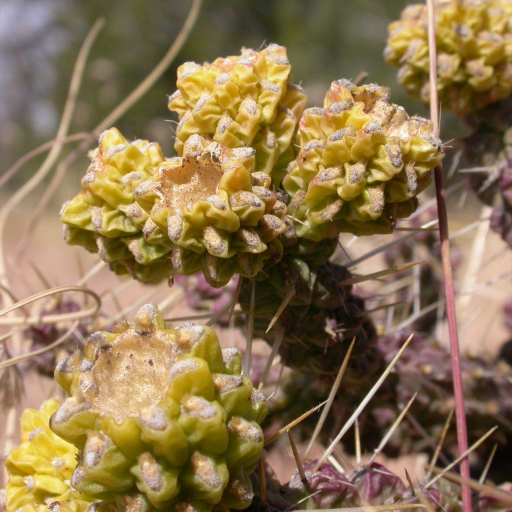
Known as the Whipple Cholla or Silver Cholla, this architectural marvel is a staple of the high-altitude deserts in the American Southwest. Named after Lieutenant Amiel Weeks Whipple, a 19th-century explorer, it is celebrated for its shimmering appearance and incredible resilience. Unlike many desert cacti that shrivel at the first sign of frost, this rugged survivor can handle heavy snow and freezing temperatures with ease.
🔍 How to Identify
- 🌵 Cylindrical Segments: The plant grows in jointed, sausage-shaped segments that are deeply "tuberculate" (bumpy), giving the stems a braided or woven texture.
- ✨ Silvery Spines: It is covered in dense, white-to-pale-yellow spines that are often enclosed in papery sheaths, creating a metallic, glowing halo when backlit by the sun.
- 🍋 Chartreuse Blooms: In late spring, the branch tips sprout waxy, cup-shaped flowers in shades of lemon-yellow or greenish-gold, followed by knobby, yellow fruit.
🏡 In Your Garden
- 🏔️ Cold-Hardy Nature: This is a "High Desert" specialist. It is one of the few cacti that actually thrives in regions with cold winters, making it a perfect choice for mountainous or northern xeriscapes.
- 🏜️ Drainage is Vital: While it is tough as nails regarding temperature, it hates "wet feet." If you live in a rainy climate, plant it in a raised rock garden or sandy slope to ensure water never pools around the roots.
- 🐦 Wildlife Shelter: In its native habitat, its dense, thorny thickets provide a fortress for desert birds like Cactus Wrens, who build their nests deep inside to stay safe from predators.
⚠️ Safety & Toxicity
- ⚔️ Mechanical Hazard: The Whipple Cholla is not chemically poisonous, but its spines are formidable. They are barbed like fishhooks, meaning they "grab" skin easily and are painful to pull out.
- 🐾 Pet & Child Safety: Due to the "jumping" nature of cholla joints (which detach easily upon contact), this plant should be kept far away from walkways, play areas, or curious pets.
✨ Fun Fact
The dried, hollow "skeletons" of the Whipple Cholla are highly prized by desert artisans. When the plant dies, the soft tissue rots away to reveal a beautiful, woody tube perforated with a diamond-shaped lattice pattern, often used to make unique lamps or walking sticks.

Detailed Care Instructions
To grow Cylindropuntia whipplei, also known as the “Whipple’s cholla” or "teddy bear cholla," follow these steps:
- Find a suitable location: Cylindropuntia whipplei prefers a sunny location with well-draining soil. Ensure that the plant will receive at least six hours of direct sunlight per day.
- Collect or purchase seeds or cuttings: Cylindropuntia whipplei can be grown from either seeds or cuttings. Seeds can be collected from mature plants or purchased from nurseries or online seed suppliers. Cuttings can be taken from established plants.
- Prepare the soil: Ensure that the soil is well-draining and has good fertility. Sandy or loamy soil is ideal. You can also amend the soil with some organic matter to improve its fertility.
- Sow the seeds or plant the cuttings: If using seeds, sow them in a container filled with well-draining soil, covering them lightly with a thin layer of soil. Keep the soil moist until the seeds germinate. If using cuttings, plant them directly into the soil, burying them about 2-3 inches deep.
- Watering: After planting, water the soil thoroughly. Keep the soil moist but not waterlogged, ensuring it doesn't dry out completely between watering sessions. Once established, Cylindropuntia whipplei is relatively drought-tolerant and requires less frequent watering.
- Provide support: Cylindropuntia whipplei is a tree-like cactus that can grow tall. Consider providing some support, like a stake, as the plant grows to ensure proper growth and stability.
- Pruning and maintenance: Prune dead or damaged sections of the plant as needed. Use gloves and caution while handling the teddy bear cholla, as its spines are sharp and can cause irritation. Additionally, avoid overwatering, as excessive moisture can lead to root rot.
- Protect from extreme cold: While Cylindropuntia whipplei can tolerate a range of temperatures, it is sensitive to extreme cold. Protect the plant by covering it or bringing it indoors if you anticipate severe frost or freezing temperatures.
By following these steps and providing suitable conditions, you can successfully grow Cylindropuntia whipplei plant.

Place in a bright room that is sun drenched almost all day. Or directly in a south-facing window.
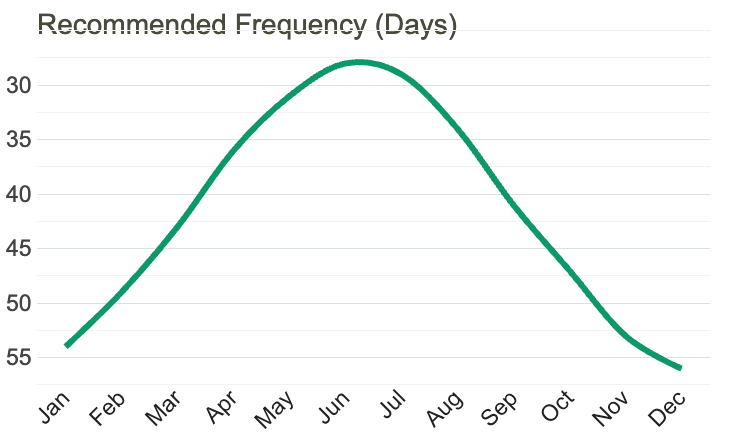
1. Check the soil moisture: Before watering the plant, it is important to check the moisture level of the soil. You can do this by sticking your finger into the soil up to the first knuckle. If it feels dry, it is time to water.
2. Use a well-draining soil: Cylindropuntia Whipplei requires a soil that drains well. If your soil is clayey, add sand or perlite to improve drainage. This will prevent the roots from getting waterlogged and rotting.
3. Water sparingly: This plant is drought-tolerant and requires very little water. Overwatering can be detrimental to its health. Water only when the soil is dry and avoid watering the foliage, as this can encourage fungal growth.
4. Water from the base: To avoid getting the foliage wet, use a watering can or hose to water the soil around the base of the plant. This allows the water to soak into the soil where the roots are.
5. Allow the soil to dry out between waterings: Cylindropuntia Whipplei is adapted to arid conditions and can handle long periods of drought. It is important to allow the soil to dry out between waterings to prevent root rot.
6. Water less frequently in the winter: During the winter months, the plant goes into dormancy and requires even less water. Water only when the soil is completely dry and the plant begins to show signs of wilting.
To fertilize this plant, you should use a balanced fertilizer with equal parts of nitrogen, phosphorus, and potassium. Use it sparingly, applying only once every few months during the growing season. Make sure not to over-fertilize, as this can cause the plant to grow too quickly and become weak. Additionally, it is recommended to apply the fertilizer in the soil around the plant rather than directly on the plant itself.
The best type of soil to use with this plant is well-draining soil that is not too compacted. It should be a mixture of sand, gravel, and loam. The pH of the soil should be slightly acidic to neutral. Additionally, this plant prefers soil that has a good amount of organic matter added to it, such as compost or leaf litter. The plant is native to arid and semi-arid regions, so the soil should be low in organic matter and high in minerals and nutrients. It is important to avoid overwatering the plant as it can lead to root rot.
To propagate this plant, you will need to follow these steps:
- Obtain a mature plant with healthy stems that can be cut and planted.
- Using a clean, sharp pair of pruning shears, cut a section of a stem from the parent plant. The stem should be at least 6 inches long, and it should have at least two sets of healthy leaves.
- Allow the cut stem to dry for 1-2 days in a shaded, dry area.
- Once the cut end of the stem has become dry and calloused, you can plant it in a well-draining soil mix. Use a pot that is at least 4 inches deep.
- Water the soil lightly and place the pot in a warm, bright area with indirect sunlight.
- Keep the soil moist but not waterlogged. Overwatering can lead to root rot and kill the cutting.
- Within a few weeks, you should see roots begin to form from the cut end of the stem. This is an indication that the cutting has taken root.
- Once the cutting has taken root and started to grow, you can transplant it to a larger pot or into the ground outdoors.








