Plant Overview
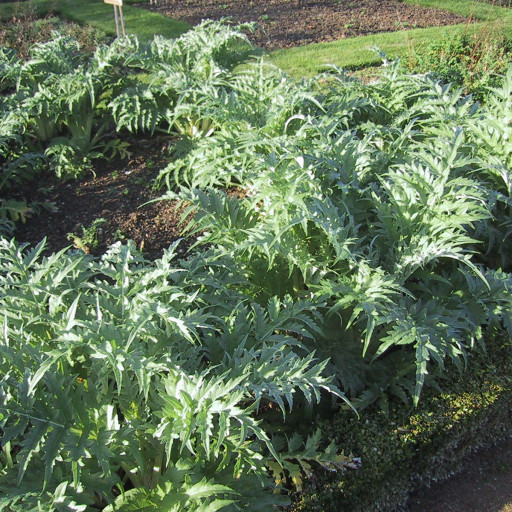
Known as the Cardoon or Artichoke Thistle, this Mediterranean giant looks like it stepped right out of a Roman feast or a prehistoric landscape. While it is a close relative of the Globe Artichoke, the Cardoon is often grown for its dramatic, architectural foliage and its edible, celery-like stalks. It is a true "statement plant" that adds a silvery, silver-gray elegance and a sense of ancient history to any sunny garden.
🔍 How to Identify
- 🌿 Silvery Foliage: The leaves are massive, arching, and deeply divided (pinnatifid). They are covered in fine, downy white hairs that give the plant a distinct "frosted" or blue-gray appearance.
- 💜 Thistle Blooms: In late summer, the plant produces large, vibrant purple or violet flower heads that look like small, ornamental artichokes erupting from prickly bracts.
- 📏 Stately Stature: This is no modest perennial; it can easily tower up to 6 feet tall and spread just as wide, creating a fountain-like explosion of silver leaves.
🏡 In Your Garden
- ⚓ The Taproot Rule: The Cardoon develops a deep, sturdy taproot which makes it incredibly drought-tolerant once established. However, this means it absolutely hates being transplanted; once you've tucked it into the soil, it’s best to let it stay there forever.
- ☀️ Mediterranean Needs: To keep that silver color vibrant, it requires "sharp" drainage and full sun. If the soil stays too soggy during the winter, the crown is prone to rotting, so consider planting it on a slight mound or in gravelly soil.
- 🐝 Pollinator Magnet: While the leaves are the main attraction for humans, the giant purple thistles are a favorite for bees and butterflies, who will flock to the nectar-rich florets.
⚠️ Safety & Toxicity
- 🍽️ Edible Status: The inner stalks are edible and considered a gourmet delicacy in Italy and Spain, though they require a process called "blanching" (wrapping the plant in burlap) to make them tender and less bitter.
- 🌵 Physical Irritant: While not chemically toxic, many varieties have sharp spines along the leaf margins and flower heads. These can cause painful pricks or skin irritation, so wearing heavy gloves during pruning is a must.
- 🐾 Pet Safety: It is generally considered non-toxic to cats and dogs, but the prickly texture usually discourages any curious nibbling before an injury can occur.
✨ Fun Fact
In traditional Mediterranean cheesemaking, the dried stamens of the Cardoon flower are used as a "vegetable rennet." This plant-based enzyme is what gives certain famous Spanish and Portuguese cheeses their unique, slightly tangy flavor and creamy texture.

Detailed Care Instructions
| Humidity | Normal |
| Lighting | Full Sun |
| Difficulty | Medium |
| Hibernation | Cold Period |
| Temperature | 21°C - 28°C |
| Hardiness Zones | 7B - 10 |
To grow Cynara Cardunculus, also known as cardoon, follow these steps:
- Choose a suitable location: Cardoons prefer full sun, at least 6-8 hours of direct sunlight per day. They also need well-draining soil.
- Prepare the soil: Cardoons prefer fertile, loamy soil with a pH between 6.5-7.5. Incorporate organic matter, such as compost, into the soil to improve its fertility and drainage.
- Sow or transplant: Cardoon can be started from seeds or transplanted seedlings. If starting from seeds, sow them indoors 6-8 weeks before the last frost. Once the temperature is consistently above freezing, you can transplant the seedlings into the garden.
- Planting: Dig a hole slightly larger than the root ball. Place the seedling in the hole and backfill with soil, ensuring that the crown of the plant sits slightly above the soil surface. Space the plants about 24-36 inches apart.
- Watering: Keep the soil evenly moist, especially during dry periods. However, avoid overwatering, as cardoon is susceptible to root rot.
- Mulching: Apply a layer of organic mulch, such as straw or wood chips, around the plants to help retain moisture and suppress weeds.
- Fertilization: Apply a balanced fertilizer, such as a 10-10-10, according to package instructions once or twice during the growing season to provide essential nutrients.
- Support: As the cardoon grows, it may need support to prevent it from toppling over. Use stakes or a plant cage to help support the plant.
- Pruning: When the plant reaches about 12 inches in height, remove the outer leaves to encourage growth and to promote larger edible stalks. Regular pruning will also prevent the plant from becoming too large and unmanageable.
- Pest and disease control: Monitor your cardoon plant for pests such as aphids, slugs, and snails. If necessary, use organic pest control methods such as handpicking, insecticidal soap, or diatomaceous earth. Cardoons are generally resistant to most diseases.
- Harvesting: Cardoon stalks can be harvested when they are young and tender, usually before they develop any fuzz. Cut the stalks close to the base of the plant. The leaves can also be harvested when they are young and tender.
By following these steps, you can successfully grow and enjoy Cynara Cardunculus plant in your garden.

Place in a bright room that is sun drenched almost all day. Or directly in a south-facing window.

Cynara Cardunculus is a type of plant that requires a proper watering schedule to ensure its growth and survival. When watering this plant, it is important to avoid overwatering, as excess moisture can cause root rot and other fungal diseases.
To water Cynara Cardunculus, one should first inspect the soil moisture level by touching the top layer of soil to determine if it is dry or moist. If the soil is dry, it is time to water. If it is still moist, wait for a day or two before watering again.
When watering Cynara Cardunculus, it is important to give it a deep watering, soaking the soil around the roots rather than just the surface. This encourages deep root growth and helps the plant stay hydrated in times of drought.
To avoid wetting the leaves and causing fungal diseases, water the plant at the base near the soil rather than from above. Additionally, it is best to water Cynara Cardunculus in the morning so that any excess moisture can evaporate during the day, preventing the growth of fungi and bacteria.
It is also important to note that Cynara Cardunculus prefers well-draining soil, and excessive watering can cause waterlogged soil and root rot. In times of drought, it is best to water the plant more frequently rather than giving it a heavy watering all at once.
Overall, a consistent watering schedule and attention to soil moisture levels are key to ensuring the health and vitality of Cynara Cardunculus.
To fertilize this plant, give it a well-balanced, slow-release fertilizer containing nitrogen, phosphorus, and potassium. Apply the fertilizer in the spring and mid-summer, being careful not to over-fertilize as this may lead to excessive foliage growth and reduced flower production. Water the plant thoroughly after fertilizing to help distribute the nutrients evenly.
The best soil to use for Cynara Cardunculus plant is one that is well-draining, loose, and rich in organic matter. A soil with a pH range of 6.0 to 7.0 is ideal. Avoid heavy clay or compacted soils as they can impede root growth and cause waterlogging. A good mix for this plant includes a blend of compost, loam, and perlite or sand to improve drainage. The plant also benefits from a layer of organic mulch to retain moisture and provide nutrients as it decomposes. Regular feeding with a balanced fertilizer every 2-3 weeks during the growing season may also be necessary to ensure optimal growth.
The process of propagating this plant involves taking a stem or leaf cutting from a mature plant and encouraging it to grow roots and form a new plant. Here are the steps to propagate Cynara Cardunculus:
- Choose a healthy, mature plant with strong stems and leaves.
- Using a sharp, sterilized knife or pruning shears, cut a stem or leaf from the plant. The cutting should be at least 4 inches long and have a few leaves attached.
- Remove any lower leaves from the cutting, leaving only a few leaves at the top.
- Dip the cut end of the stem in rooting hormone, which will help it develop roots.
- Plant the cutting in a pot filled with well-draining soil. The soil should be moist but not too wet.
- Cover the pot with a clear plastic bag to create a humid environment. This will help the cutting develop roots faster.
- Place the pot in a warm, bright area, but out of direct sunlight.
- Check the soil regularly and keep it moist. Do not let it dry out.
- After a few weeks, check the cutting for roots by gently tugging on it. If it resists, it has developed roots and can be removed from the plastic bag.
- Once the cutting has developed roots, it can be transplanted into a larger pot or directly into the ground.
- Continue to care for the new plant by watering it regularly and providing it with proper light and nutrients.
With some patience and care, you can successfully propagate Cynara Cardunculus and enjoy its beautiful foliage and flowers.








