Plant Overview
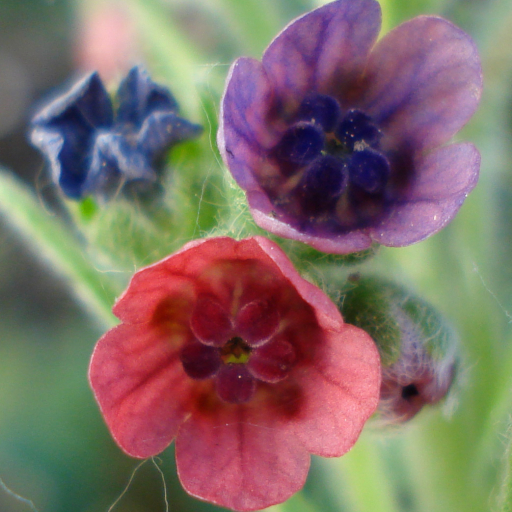
Known widely as Hound’s Tongue or the "Gypsy Flower," this biennial herb gets its name from its long, rough, and velvety leaves that supposedly resemble the tongue of a canine. While it was once a staple in medieval apothecaries for treating burns and even staving off stuttering, today it is more famous for its "hitchhiking" seeds and its rugged survival skills in the wild.
🔍 How to Identify
- 🍃 Felted Foliage: The leaves are lance-shaped and covered in soft, dense grey hairs, giving them a distinctively fuzzy, felt-like texture.
- 🌸 Dusky Blooms: It produces small, five-petaled flowers in a unique shade of dull maroon or brownish-red, which hang in slightly drooping clusters.
- 🌰 Velcro Seeds: After the flowers fade, the plant develops four-parted seed pods (nutlets) covered in tiny hooked prickles that cling aggressively to fur and clothing.
🏡 In Your Garden
- 🌱 The Taproot Trap: Hound’s Tongue spends its first year as a flat rosette, anchoring itself with a massive, deep taproot. Because of this, it is notoriously difficult to transplant; if you want it in a specific spot, it must be sown there directly.
- 🚜 Disturbed Soil Lover: This plant is an opportunist. It thrives in neglected corners, dry pastures, or gravelly edges. In many regions, it is considered a noxious weed because it can quickly outcompete native grasses if its sticky seeds aren't managed.
⚠️ Safety & Toxicity
- 🚫 Livestock Danger: Hound’s Tongue is highly toxic to horses, cattle, and sheep. It contains pyrrolizidine alkaloids that cause permanent, cumulative liver damage if grazed upon.
- 🐾 Pet & Human Safety: It is considered toxic to cats and dogs. Furthermore, the hairy leaves can cause "contact dermatitis" (itchy skin rashes) in humans, so it is best to wear gloves when handling or pulling it.
✨ Fun Fact
In folklore, it was believed that placing a leaf of Hound’s Tongue in your shoes would prevent dogs from barking at you, and some even claimed it could protect a traveler from being followed by stray animals!

Detailed Care Instructions
| Humidity | Normal |
| Lighting | Shade |
| Toxicity | Poisonous |
| Difficulty | Medium |
| Hibernation | Cold Period |
| Hardiness Zones | 5 - 8 |
To grow Cynoglossum officinale, also known as hound's tongue, follow these steps:
- Planting: Choose a suitable location with full sun to partial shade. The plant prefers well-draining soil. Sow the seeds directly into the ground or containers in early spring or late fall.
- Soil preparation: Cynoglossum officinale grows best in fertile, loamy soil. Prepare the soil by removing any weeds, rocks, or debris. Amend the soil with organic matter like compost to improve its quality.
- Watering: Keep the soil consistently moist during the germination phase. Once the plant is established, reduce watering frequency and only water when the top inch of soil feels dry. Avoid overwatering as it can lead to root rot.
- Fertilization: Cynoglossum officinale doesn't require heavy fertilization. However, you can apply a balanced, slow-release fertilizer in early spring to provide essential nutrients.
- Mulching: Mulching around the base of the plant helps to retain moisture, suppress weed growth, and regulate soil temperature. Use organic mulch like wood chips or straw, leaving a gap around the plant's stem to prevent rotting.
- Pruning: Regular pruning enhances the plant's shape and encourages blooming. Deadhead spent flowers to promote new growth and prolong the flowering period. Cut back any leggy or overgrown stems to maintain a compact and tidy appearance.
- Pest and disease control: Cynoglossum officinale is generally free from major pest or disease issues. However, occasional inspection is recommended to identify and treat any problems. Common pests include aphids or slugs, which can be controlled using organic insecticides or manual removal.
- Winter care: Cynoglossum officinale is a hardy perennial plant and can tolerate cold temperatures. In areas with severe winters, it may die back to the ground but will regrow in spring. Consider applying a layer of mulch in late fall to help protect the roots during winter.
Remember to check and comply with any local regulations or guidelines regarding invasive species before planting Cynoglossum officinale, as it may be considered invasive in some regions.

Place in a window with dappled sun or a spot in the middle of a room. Or directly in a window facing west or east.

The best way to water this specific plant is to water it deeply, but infrequently. It prefers well-draining soil and should not be allowed to sit in water. Allow the soil to dry out slightly between waterings, but do not let it fully dry out. Be sure to water at the base of the plant, avoiding getting water on the leaves, as this can lead to disease. It is important not to overwater this plant, as it can lead to root rot.
To promote healthy growth and flowering of this plant, apply a balanced fertilizer with equal amounts of nitrogen, phosphorus, and potassium. Use a granular or liquid fertilizer according to the manufacturer's instructions, and be sure to apply it evenly around the base of the plant. Water the plant thoroughly after fertilizing to help the nutrients reach the roots. Repeat this process every few weeks during the growing season. However, be cautious not to over-fertilize as it can cause more harm than benefit to the plant.
Cynoglossum Officinale plant prefers soil that is well-draining, moist and rich in organic matter. It grows best in fertile soils that are slightly acidic to neutral pH levels. The plant needs a good amount of nutrients to thrive, so the soil should be supplemented with fertilizer periodically. Additionally, the soil should not be compacted as the plant has shallow roots and requires a loose soil to grow properly. It is also important to keep the soil consistently moist but not waterlogged, as over-watering can lead to root rot. Overall, a loose, consistently moist soil that is high in nutrients and organic matter is ideal for the Cynoglossum Officinale plant.
To propagate this plant, you need to collect the seeds after they have ripened. Then you should sow the seeds in a well-drained soil in a sunny or partially shaded area. Make sure to keep the soil moist but not waterlogged. Germination should occur within a few weeks, and as the plants grow, you can thin them out to allow more space for each individual to grow. You can also propagate this plant by taking stem cuttings in the spring or fall and placing them in a well-draining soil mix. Keep the soil moist and in a warm, bright location until roots have formed and new growth begins to emerge.








