Plant Overview
Often called the Umbrella Papyrus or Umbrella Palm, this plant looks like a cluster of miniature tropical islands floating on tall, slender masts. Native to Madagascar, it is a member of the ancient Sedge family and is prized for its architectural, prehistoric appearance. Whether it’s sitting in a backyard pond or a pot in a sunny living room, it brings an immediate sense of Zen and watery tranquility to its environment.
🔍 How to Identify
- ☂️ The "Umbrella" Crown: What look like leaves are actually "bracts" (modified leaves) that radiate outward from the top of the stem, perfectly mimicking the ribs of an open umbrella.
- 📐 Triangular Stems: A classic trait of the Sedge family; if you roll the leafless stems between your fingers, you will feel three distinct flat sides rather than a round cylinder.
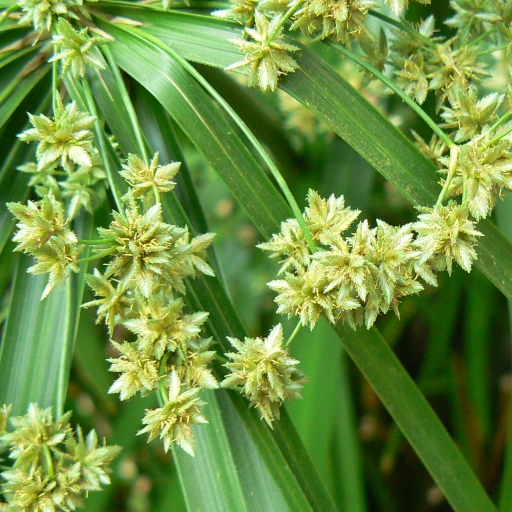
- 🌾 Whiskery Blooms: During the summer, tiny greenish-brown flower clusters emerge from the center of the umbrella, eventually turning a cinnamon-brown color as they mature.
🏡 In Your Garden
- 💧 The "Wet Feet" Rule: Unlike most plants that fear root rot, the Umbrella Palm loves to be soaked. It is a bog plant by nature, meaning it is happiest when its pot is sitting in a deep saucer of water or submerged at the edge of a pond.
- 🌞 Light & Humidity: It thrives in bright, indirect light. If kept indoors, it may develop crispy brown tips if the air is too dry; keeping the soil consistently saturated is the best way to maintain its lush green color.
- ✂️ Pruning Nuance: Old stems naturally turn brown and die off to make room for new "umbrellas" emerging from the base. Simply snip the dead stems at the soil line to keep the plant looking tidy and vibrant.
⚠️ Safety & Toxicity
- 🐾 Non-Toxic Status: This plant is generally considered non-toxic to cats, dogs, and humans. It is a safe choice for households with curious pets.
- 🤮 Dietary Note: Because the bracts look like long blades of grass, cats are often tempted to chew on them. While not poisonous, consuming large amounts can cause mild stomach upset or vomiting in felines.
- 🧤 Physical Texture: The edges of the bracts can be slightly fibrous or "toothed." While they won't cut you like a knife, they can be a bit scratchy if you run your hand quickly along the foliage.
✨ Fun Fact
The Umbrella Palm is one of the easiest plants to propagate "upside down." If you cut a stem, trim the bracts halfway, and place the head face-down in a glass of water, new roots and tiny plantlets will begin to grow right out of the center of the umbrella!

Detailed Care Instructions
To grow Cyperus alterniflorus, also known as umbrella palm or umbrella sedge, follow these steps:
- Choose the right location: Cyperus alterniflorus thrives in full sun to partial shade. Select a location that receives several hours of direct sunlight each day. It also prefers wet or marshy soil conditions, so consider planting it near a water feature or in a consistently damp area of your garden.
- Prepare the soil: Cyperus alterniflorus prefers soil that is rich in organic matter and moist. Before planting, amend the soil with compost or well-rotted manure to improve its fertility and drainage.
- Planting: Dig a hole slightly larger than the root ball of the Cyperus alterniflorus plant. Place the plant in the hole, ensuring that it sits at the same depth as it was in its nursery pot. Backfill the hole with soil, gently firming it around the roots.
- Watering: Keep the soil consistently moist but not waterlogged, as this plant prefers wet conditions. Water the plant deeply and regularly, especially during hot or dry weather. Consider using a drip irrigation system or other methods of consistent watering to keep the soil moist.
- Mulching: Apply a layer of organic mulch, such as bark chips or straw, around the base of the plant. This helps retain moisture, prevent weed growth, and protect the roots from extreme temperature fluctuations.
- Fertilization: Cyperus alterniflorus benefits from occasional fertilization during the growing season to promote healthy growth. Use a balanced, slow-release fertilizer or a water-soluble fertilizer diluted to half strength. Follow the manufacturer's instructions for application rates and frequency.
- Maintenance: Regularly check the plant for any signs of disease, pests, or nutrient deficiencies. Remove any yellow or dead foliage, and regularly deadhead any spent flowers. Provide support, such as stakes or a trellis, if the plant starts to sag or lean.
With proper care and environmental conditions, your Cyperus alterniflorus plant should thrive and grow into a lush, green ornamental grass.

Place in a window with dappled sun or a spot in the middle of a room. Or directly in a window facing west or east.

To properly care for this plant, it is important to provide it with the correct amount of water. The soil should be kept consistently moist, but not waterlogged. It is best to water the plant when the top inch of soil feels dry to the touch. When watering, make sure to water deeply so that the water reaches the roots. It is best to avoid getting water on the leaves, as this can lead to fungal growth. It is also important to avoid letting the plant sit in standing water, as this can lead to root rot. Overall, the key to watering this plant is to keep the soil consistently moist without overwatering.
To fertilize your plant, begin by selecting a high-quality, water-soluble fertilizer. Dilute the fertilizer with water according to the manufacturer's instructions, and apply it to the soil around the base of the plant. Be sure to water the plant thoroughly after fertilizing to ensure that the nutrients are absorbed by the roots. Fertilize your plant every 4-6 weeks during the growing season (spring and summer), and reduce frequency or stop during the dormant season (fall and winter).
Cyperus Alterniflorus prefers a well-draining soil that is rich in nutrients and organic matter. It grows best in soil that has a slightly acidic pH between 5.5 to 6.5. The soil should be moist but not waterlogged as the plant is sensitive to overwatering. A good soil mix for Cyperus Alterniflorus could include a combination of peat moss, perlite, and sand to improve drainage, retain moisture, and provide aeration to the roots. Adding compost or other organic matter can also improve the soil quality and fertility. It is important to avoid using heavy or compacted soils that may suffocate the roots.
To propagate the plant that is scientifically known as Cyperus Alterniflorus, you will need to collect its seeds. Once the plant has produced seeds, wait until the seed heads have dried out and turned brown. Then, remove the seeds from the seed head and place them in a container.
Next, fill a small pot with a well-draining potting mix and scatter the seeds over the surface. Press the seeds gently into the soil, but do not bury them too deep. Water the soil thoroughly and cover the pot with plastic wrap to create a humid environment.
Keep the pot in a warm, bright location, but out of direct sunlight. After a week or two, you should start to see the seeds sprouting. Once the seedlings have several leaves, you can transplant them to individual pots.
To care for your new plants, keep the soil consistently moist but not waterlogged. Provide them with bright, indirect light and keep them in a warm location. With proper care, your Cyperus Alterniflorus plants should thrive and grow.








