Plant Overview
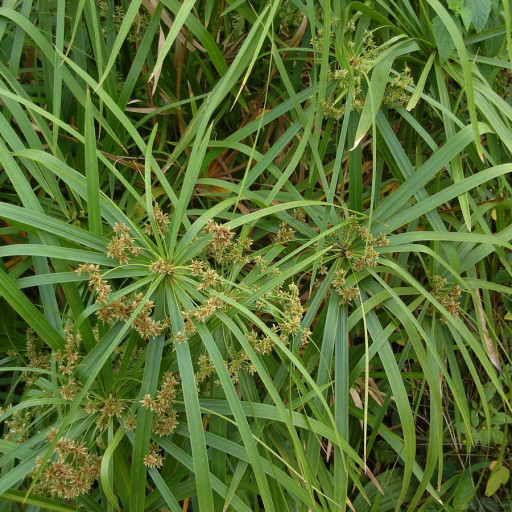
Known as the "Umbrella Papyrus" or "Umbrella Palm," this Madagascar native is a marsh-dwelling charmer that looks like a miniature grove of palm trees. It is a staple for indoor water gardens and pond edges, bringing an architectural, prehistoric vibe to any space. While it shares a lineage with the ancient paper-making papyrus, this variety is purely for your visual delight.
🔍 How to Identify
- ☂️ The "Umbrella" Top: The most striking feature is the whorl of 10–20 leaf-like bracts radiating from the top of each stem, mimicking the ribs of a parasol.
- 🎋 Slender Stems: It grows on tall, smooth, leafless green stalks (culms) that are actually triangular if you look closely at a cross-section.
- 🌾 Subtle Blooms: During the summer, tiny, inconspicuous greenish-brown flower clusters emerge from the center of the "umbrella" bracts, eventually turning a nutty brown.
🏡 In Your Garden
- 💧 The "Wet Feet" Rule: Unlike most houseplants that suffer from root rot, this plant thrives when its pot is partially submerged in water. It is a bog plant by nature, making it the perfect choice for chronic over-waterers or indoor ponds.
- ☀️ Light & Humidity: It craves bright, filtered light; too little light will result in spindly, weak stems that flop over. Because it originates from tropical wetlands, it requires high humidity to prevent the leaf tips from turning brown and "crispy."
⚠️ Safety & Toxicity
- ✅ Status: Non-toxic to humans and generally safe for household environments.
- 🐱 Pet Warning: While not poisonous, the grass-like texture is irresistible to cats. If they chew on the tough, fibrous leaves, it can cause mild stomach upset or vomiting. The edges of the leaves can also be slightly sharp, potentially causing minor mouth irritation.
✨ Fun Fact
- 🔄 The Upside-Down Trick: This is one of the few plants you can propagate by "drowning" it. If you cut off an umbrella head, trim the leaves, and float it upside down in a glass of water, a brand-new plant will sprout from the center within weeks!

Detailed Care Instructions
| Color | Greenish-Brown |
| Soil Ph | 6.0 To 8.5 (Slightly Acidic To Alkaline) |
| Humidity | Normal |
| Lighting | Part Sun |
| Soil Type | Wet, Boggy Soil |
| Bloom Time | Mid To Late Summer |
| Difficulty | Medium |
| Plant Type | Perennial Sedge |
| Mature Size | Stems Grows To 2-3' Tall |
| Native Area | Africa |
| Temperature | 10°C - 22°C |
| Sun Exposure | Full Sun To Part Shade |
| Hardiness Zones | 9-11 |
To grow Cyperus Alternifolius, also known as umbrella palm or umbrella sedge, follow these steps:
- Select a suitable pot or container: Choose a pot that is wide and shallow as this plant has a sprawling growth habit. The container should have drainage holes to prevent waterlogging.
- Soil preparation: This plant thrives in moist, rich soil. Prepare a potting mix consisting of equal parts of peat moss or coco coir, sand, and loam or a good quality, well-draining potting mix.
- Sowing or planting: You can sow Cyperus Alternifolius seeds directly into the soil or plant nursery-bought seedlings. If starting from seeds, sow them thinly on the soil surface and gently press them into the soil without covering them. Keep the soil moist until germination occurs.
- Watering: This plant prefers consistently moist soil, so water it regularly to keep the soil damp but not waterlogged. Provide enough water to keep the soil evenly moist throughout the growth period.
- Light requirements: Place the plant in a location that receives bright, indirect sunlight for at least 4-6 hours a day. Avoid direct sun exposure as it can scorch the leaves.
- Temperature and humidity: Cyperus Alternifolius thrives in a warm and humid environment. The ideal temperature range is between 70-85°F (21-29°C). Provide a humid environment by misting the leaves regularly or placing a tray of water near the plant to increase humidity.
- Fertilizer: Feed the plant with a balanced, water-soluble fertilizer once every two weeks during the growing season (spring and summer). Follow the instructions on the fertilizer packaging for the correct dosage.
- Pruning and maintenance: Trim the yellow or brown leaves regularly to maintain the plant's appearance. Remove any dead or damaged stems as they appear. Cyperus Alternifolius can have a tendency to outgrow its pot, so consider repotting it into a larger container if necessary.
- Pests and diseases: Monitor the plant regularly for pests such as aphids, spider mites, and scale insects. If you notice any infestations, treat them with an appropriate insecticide or try natural remedies like neem oil or insecticidal soap. Watch out for signs of root rot, which can occur if the soil is kept overly wet, and adjust watering accordingly.
By following these guidelines, you should be able to successfully grow and care for Cyperus Alternifolius in your indoor or outdoor garden.

Place in a window with dappled sun or a spot in the middle of a room. Or directly in a window facing west or east.
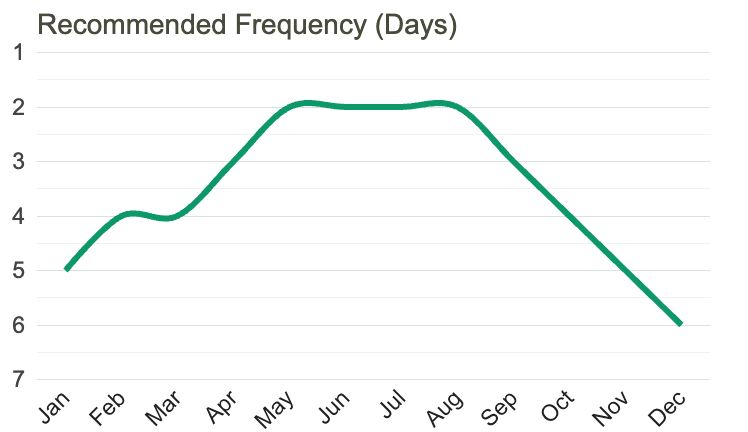
The Cyperus Alternifolius plant prefers to grow with moist soil, so it is important to water it frequently to keep the soil consistently moist. The plant does not like to sit in standing water, so it is important to ensure that the pot has good drainage. When watering, it is best to water the soil directly and avoid getting water on the leaves. If the plant is growing in a shallow tray, it is important to keep the water level in the tray just below the soil level to prevent overwatering. It is important to monitor the moisture of the soil regularly to ensure that it does not dry out completely. During the plant's active growing season, it may require more frequent watering, while in the dormant season, it may require less. Overall, it is important to keep the soil consistently moist for optimal growth.
- Choose a balanced fertilizer with equal amounts of nitrogen, phosphorus, and potassium.
- Dilute the fertilizer according to the instructions on the packaging.
- Apply the diluted fertilizer to the soil around the plant, avoiding pouring it directly onto the leaves or stem.
- Water the plant thoroughly after fertilizing to ensure the nutrients reach the roots.
- Repeat fertilizing every two to four weeks during the growing season, which is typically from spring to fall.
Cyperus Alternifolius is a plant that prefers a soil that is porous and well-draining. It should ideally be planted in soil that is rich in organic matter and has a slightly acidic to neutral pH. A mixture of peat moss, sand, and loam would be suitable for this plant. The soil should be kept moist, but not water-logged, as this can cause root rot. Adding a layer of mulch around the base of the plant can help to retain moisture in the soil. It is important to avoid using soils that are heavy in clay, as they can trap moisture and lead to root rot. A balanced fertilizer can be applied every two weeks during the growing season to provide the plant with additional nutrients.
To propagate this plant, first select a mature and healthy specimen with a strong root system. Carefully remove the plant from its soil and clean the roots of any soil or debris. Cut the plant into several sections, ensuring that each section has a healthy root system and a few stems and leaves. Plant each section in a well-draining soil mix and water thoroughly. Keep the soil moist but not waterlogged and place the newly propagated plants in a warm and bright location, but out of direct sunlight. After 1-2 weeks, new growth should appear.







