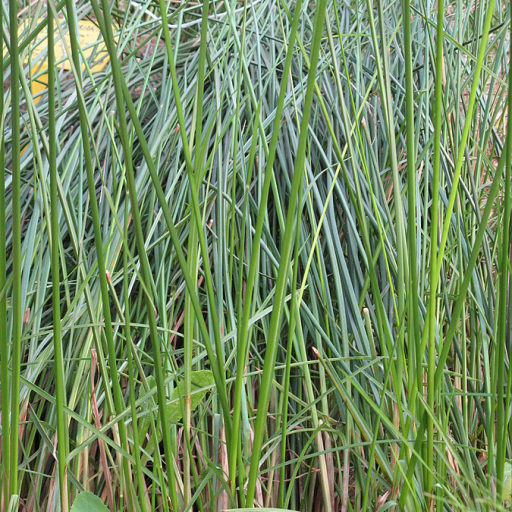
Plant Overview
Often called the Jointed Flatsedge or famously known as Priprioca in the Amazon, Cyperus articulatus is a tall, elegant reed that hides a fragrant secret beneath the soil. While it may look like a common waterway grass, its spicy, woody-scented rhizomes have been used for centuries in traditional medicine and high-end perfumery. In ancient Egypt and across the Amazon basin, this plant has been a staple for everything from weaving mats to crafting sacred incense.
🔍 How to Identify
- 🎋 The "Jointed" Stem: The most striking feature is its tall, cylindrical, and hollow green stems. If you squeeze the stem or look closely, you’ll see horizontal rings (septa) that give it a "jointed" appearance.
- 🍃 Minimalist Leaves: Unlike many garden plants, it appears almost leafless. The leaves are reduced to simple, papery sheaths wrapped around the base of the stem, keeping the silhouette very clean and vertical.
- 🌾 Umbrella Blooms: At the very top of the stem, it produces a cluster of slender, drooping spikelets. These are typically straw-colored or reddish-brown and look like a tiny, delicate explosion of fiber.
🏡 In Your Garden
- 💧 A Thirsty Resident: This is an obligate wetland plant. It doesn’t just like water—it thrives in it. It is the perfect choice for the margins of a garden pond or "bog gardens" where the soil is constantly saturated.
- 🏺 Contained Growth: Because it spreads via a vigorous network of underground rhizomes, it can become quite assertive in a small space. Planting it in a submerged pot or a lined bed is a smart way to enjoy its height without it taking over your entire water feature.
⚠️ Safety & Toxicity
- ✅ Generally Safe: Cyperus articulatus is considered non-toxic to humans and is frequently used in traditional herbal teas and tinctures to treat digestive issues.
- 🐾 Pet Friendly: There are no known toxic effects for cats, dogs, or horses. However, since it grows in stagnant or slow-moving water, ensure the water source itself is clean and free of harmful blue-green algae or bacteria if pets are nearby.
✨ Fun Fact
In the Brazilian Amazon, the scent of the crushed roots is so highly prized that it is often called the "Fragrance of the Earth." It has recently become a star ingredient in global luxury perfumes, valued for its complex notes of earth, spice, and precious woods.

Detailed Care Instructions
To grow Cyperus Articulatus, also known as jointed flatsedge or umbrella sedge, follow these steps:
- Planting: Choose a well-draining pot or a location in your garden with moist soil. Fill the container or prepare the planting area with rich, loamy soil.
- Watering: The plant prefers moist conditions, so keep the soil consistently moist but not waterlogged. Ensure proper drainage to prevent waterlogging, which can cause root rot.
- Light: Place the Cyperus Articulatus plant in a location with partial shade or indirect sunlight. It can tolerate full sun but may require additional watering in hot or dry climates.
- Temperature: This plant thrives in warm weather. It prefers temperatures between 70-85°F (21-29°C). Protect it from frost or freezing temperatures.
- Fertilizing: Feed the plant with a balanced, slow-release fertilizer during the growing season (spring to fall). Follow the instructions on the fertilizer packaging regarding dosage and frequency.
- Pruning: Trim away any dead or brown foliage to encourage new growth. However, be cautious not to cut down the plant too aggressively, as it may cause stress.
- Propagation: Cyperus Articulatus can be propagated through dividing the root ball. Carefully remove the plant from its container or dig it up from the garden. Gently separate the roots into smaller sections and replant them in individual pots or desired locations.
- Pest and disease control: Monitor the plant regularly for pests like aphids, spider mites, or mealybugs. If an infestation occurs, treat it with insecticidal soap or a homemade solution of mild soap and water. Additionally, ensure good air circulation to prevent fungal diseases.
- Mulching: Use a layer of organic mulch around the plant to retain moisture, suppress weeds, and regulate soil temperature.
- Winter care: If you live in a colder region, consider bringing the plant indoors during winter. Keep it in a well-lit area away from drafts and protect it from dry indoor conditions.
With proper care and attention to its specific needs, Cyperus Articulatus can grow into a thriving and attractive addition to your garden or indoor space.

Place in a bright room that is sun drenched almost all day. Or directly in a south-facing window.

To water this plant, you should first observe the soil moisture level. When the top 1-2 inches of the soil feel dry to the touch, it is time to water the plant. Use room temperature water that has been allowed to sit for a day or two to let any chlorine or other chemicals dissipate. Slowly pour water onto the soil until it drains out the bottom of the pot. Do not let the plant sit in standing water, as this can lead to root rot. The frequency of watering will depend on the conditions of your environment (e.g. humidity, temperature, light), but generally, this plant prefers consistently moist soil without becoming waterlogged.
To fertilize this plant, use a balanced, water-soluble fertilizer with equal parts nitrogen, phosphorus, and potassium. Apply the fertilizer every two weeks during the growing season, which is typically spring and summer. Dilute the fertilizer by half before applying it to the plant. Be sure to water the plant before and after fertilizing to prevent burning the roots.
Cyperus Articulatus plant prefers soil that is well-draining, moderately fertile, and rich in organic matter. It thrives in soil that is slightly acidic to neutral pH levels. The soil should not be too heavy or compacted as it can lead to waterlogging and root rot. Instead, a loose and friable soil that allows the roots to breathe and absorb nutrients is preferred. Adding sand or perlite to the soil mix can help improve drainage and prevent waterlogging. Additionally, a regular application of organic fertilizers can help provide the plant with essential nutrients for healthy growth. Overall, choosing a soil mix that is well-draining, loose, and nutrient-rich will help ensure the healthy growth of Cyperus Articulatus plant.
Cyperus Articulatus plant can be propagated through vegetative means such as division. This involves separating the plant into smaller sections, each with a healthy root system and a portion of the stem. The best time to do this is in the spring when the plant is actively growing.
To divide the plant, carefully remove it from its pot or soil using a small shovel or trowel. Gently shake off any excess soil and inspect the root structure. Look for natural separations or nodal points where you can separate the plant without damaging the roots.
Using a clean, sharp knife or scissors, carefully cut down the middle of the root ball or stem, separating it into two or more sections. Each section should have healthy roots and an adequate portion of the stem. Trim any damaged or unhealthy roots or leaves to promote healthy growth.
Plant each section in a separate pot or directly into the soil, making sure to water well and provide adequate sunlight. It is important to keep the soil moist but not waterlogged as this can cause root rot.
With proper care, your newly propagated Cyperus Articulatus plant should begin to grow and thrive in its new environment.








