Plant Overview
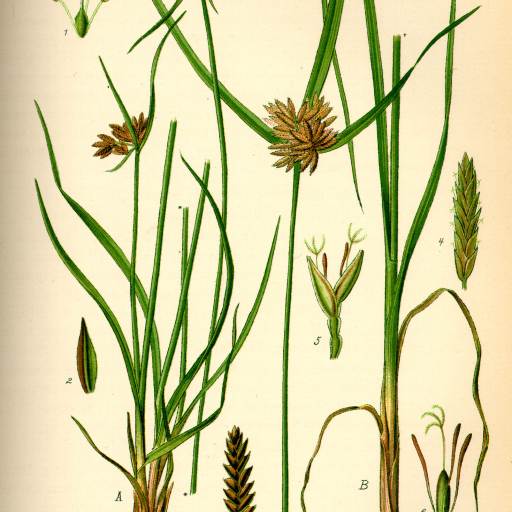
Often called the Clustered Sedge, this plant looks like a green architectural explosion from a wetland fairytale. A member of the ancient Cyperaceae family, it is a master of the marshlands across Eurasia and North Africa. With its geometric stems and "pom-pom" flower clusters, it adds a prehistoric, wild vibe to any water feature or damp garden corner.
🔍 How to Identify
- 📐 Triangular Stems: True to the botanical rhyme "Sedges have edges," the stems are distinctly three-sided and solid, rather than round and hollow like grasses.
- 🧶 Glomerate Clusters: The plant gets its name from its dense, ball-like clusters of reddish-brown spikelets that look like fuzzy marbles perched at the tips of the stems.
- 🌂 Leafy Bracts: Long, grass-like leaves (bracts) radiate out from directly beneath the flower clusters, creating a dramatic, umbrella-like silhouette.
🏡 In Your Garden
- 💧 The Bog Specialist: This plant is a "wet-foot" enthusiast. It thrives in heavy, clay-rich soil that stays consistently saturated, making it an ideal choice for the edges of ponds or rain gardens where other plants might drown.
- 🌱 Containment Strategy: While it provides excellent cover for frogs and beneficial insects, it can be a vigorous grower. If you have a small garden, planting it in a submerged container can help manage its spread and keep it from dominating the shoreline.
⚠️ Safety & Toxicity
- ✅ Non-Toxic: Cyperus glomeratus is generally considered safe and non-toxic for humans, cats, and dogs.
- 🐱 Pet Interest: Because of its grass-like leaves, cats are often tempted to nibble on it. While not poisonous, the tough fiber can sometimes cause mild stomach upset or "hairball-style" vomiting if they eat too much.
✨ Fun Fact
The species name glomeratus comes from the Latin word glomerare, which means "to wind into a ball." This is the same root word used for "glomerulus" in medical biology!

Detailed Care Instructions
Growing Cyperus glomeratus, commonly known as the Bog Flat Sedge or Globe-headed Sedge, involves several steps to ensure it thrives. This plant is native to wetland areas, so it requires specific conditions to grow well. Here’s a detailed guide to help you cultivate Cyperus glomeratus:
1. Selecting the Right Location
- Sunlight: Choose a location with full sun to partial shade. Cyperus glomeratus generally prefers full sun.
- Soil: Use wet, fertile soil that retains moisture well. This plant thrives in pond edges, marshy areas, or even in shallow water.
2. Soil Preparation
- Drainage: Ensure the soil is consistently wet. If you’re growing it in a garden, you might need to create an artificial wetland or bog area.
- pH Level: The plant is not too fussy about soil pH but performs best in slightly acidic to neutral conditions (pH 6.0-7.5).
3. Planting
- Seeds:
- Sow seeds in spring.
- Scatter them on the soil surface and press them in lightly.
- Keep the soil consistently moist; a spray bottle can help ensure the top layer doesn’t dry out.
- Sow seeds in spring.
- Divisions:
- You can also propagate Cyperus glomeratus by dividing larger clumps.
- Separate the clumps in spring or early summer.
- Replant them immediately in the prepared wet area or pot.
4. Watering
- You can also propagate Cyperus glomeratus by dividing larger clumps.
- Maintaining high moisture levels is crucial.
- If planted in a garden, provide constant water to keep the soil muddy.
- For container planting, keep a saucer filled with water under the pot or place the pot in a water-filled tray.
5. Fertilizing
- Use a balanced liquid fertilizer during the growing season (spring and summer) to promote lush growth.
- Apply the fertilizer every 4-6 weeks.
6. Temperature and Climate
- Cyperus glomeratus is typically hardy in USDA zones 8-11.
- In colder regions, it may need to be grown in pots and brought indoors or into a greenhouse during winter months.
7. Maintenance
- Trimming: Prune dead or yellowing foliage to keep the plant healthy.
- Pest Control: Generally, Cyperus glomeratus is not prone to pest issues. In the rare case of pests, use a mild insecticidal soap.
8. Winter Care
- If growing in a cold climate, bring potted plants indoors.
- For outdoor plants, mulch heavily to protect the roots from freezing temperatures.
By following these guidelines, you can successfully grow Cyperus glomeratus and enjoy its unique and attractive appearance in an appropriate wetland setting.

Place in a bright room that is sun drenched almost all day. Or directly in a south-facing window.

Watering Cyperus glomeratus effectively requires attention to its natural habitat, as this plant typically thrives in marshy, wetland areas. Here’s a step-by-step guide to ensure you provide optimal conditions for its growth:
1. Consistent Moisture: Maintain consistently moist soil. This plant prefers an aquatic or semi-aquatic environment, so the soil should never be allowed to dry out completely. Ideally, the growing medium should be kept saturated.
2. Water Quality: Use fresh, clean water. Rainwater or distilled water is often preferable, as it avoids the buildup of minerals that can occur with tap water.
3. Watering Method:
- Standing Water: If the plant is potted, consider placing the pot in a shallow tray or saucer filled with water. This keeps the roots consistently moist.
- Direct Watering: For outdoor or ground-planted specimens, water them thoroughly and frequently to ensure the soil remains wet. During dry spells or hot weather, increase the frequency of watering.
4. Container Cultivation: If growing in a pot, choose a container without drainage holes to create a mini-wetland environment. Keep about 1-2 inches (2.5-5 cm) of water above the soil line for best results.
5. Observing Plant Health: Monitor the leaves and overall appearance of the plant. Yellowing leaves can be an indicator of insufficient water, whereas overly mushy stems might suggest excessive water retention. Adjust watering practices accordingly.
6. Seasonal Adjustments: During active growing seasons (spring and summer), increase watering frequency to match the plant’s higher water needs. In cooler months, while still keeping the soil moist, you can slightly reduce the volume and frequency of water without letting the soil dry out completely.
7. Humidity: This plant benefits from high humidity. If growing indoors, consider using a humidity tray or a room humidifier to maintain ambient moisture levels. Misting the plant occasionally can also be beneficial, especially in dry indoor environments.
By closely replicating the natural wetland conditions, you will ensure that Cyperus glomeratus remains healthy and vigorous.
Cyperus glomeratus thrives with regular fertilization for optimal growth. Here’s how you can properly fertilize it:
- Type of Fertilizer: Use a balanced, water-soluble fertilizer with an N-P-K ratio such as 10-10-10 or 20-20-20.
- Frequency: Fertilize every two to four weeks during the growing season, which typically spans from spring to early fall.
- Preparation: Dilute the fertilizer to half the strength recommended on the package to avoid over-fertilizing, which can harm the plant.
- Application: Apply the fertilizer evenly around the base of the plant. Ensure the soil is moist before applying, as this helps prevent root burn and allows for better absorption of nutrients.
- Watering: After fertilizing, water the plant thoroughly to help distribute the nutrients evenly through the soil. Consistent moisture is important for this plant, so make sure the soil stays consistently damp but well-drained.
- Observation: Monitor the plant for signs of nutrient deficiencies, like yellowing leaves or stunted growth, and adjust the fertilization schedule or strength accordingly.
Remember that proper soil moisture level and adequate sunlight are also crucial for the healthy growth of Cyperus glomeratus, alongside routine fertilization.
Cyperus Glomeratus plant prefers a well-draining soil mix that is moist and rich in nutrients. The soil pH level should be around 6.0 to 7.5, which is slightly acidic to neutral. The soil mix should be a well balanced mix of organic matter, sand, and perlite. Adding green compost, leaf mold, or peat moss can help improve soil texture and increase moisture retention. The plant prefers to grow in a slightly acidic soil environment, so the pH of the soil should be checked regularly to ensure it remains within the ideal range. A regular fertilization schedule is recommended to ensure healthy growth, with organic fertilizer being a preferred choice. In summary, the ideal soil for Cyperus Glomeratus plant is a well drained soil mix that is rich in nutrients, slightly acidic to neutral pH, and contains a balanced mix of organic matter, sand, and perlite.
Propagating Cyperus glomeratus involves a few key steps. This plant can be propagated through both seed and division methods. Here's a detailed guide for each method:
Seed Propagation
- Seed Collection: Collect seeds from mature plants during the late summer or early autumn. Be sure the seeds are fully ripened before harvesting.
- Preparing the Seed Bed: Fill a seed tray with a well-draining mix, such as a combination of peat and sand. The soil should be moist but not waterlogged.
- Sowing the Seeds: Scatter the seeds evenly over the surface of the soil. Press them down lightly to ensure good contact with the soil, but do not cover them completely as light aids in germination.
- Watering: Mist the soil lightly to provide moisture without washing away the seeds. Use a fine spray to avoid disturbing the seeds.
- Germination Conditions: Place the seed tray in a warm, brightly lit location with indirect sunlight. Maintain a consistent humidity level by covering the tray with plastic wrap or a clear lid.
- Ongoing Care: Keep the soil consistently moist throughout the germination period, which can take several weeks. Remove the cover once the seedlings emerge to prevent fungal growth.
- Transplanting: When the seedlings have developed a few sets of true leaves, they can be transplanted into individual pots or directly into the garden bed. Make sure the planting site has moist, well-drained soil.
Division Propagation
- Timing: The best time to divide Cyperus glomeratus is in the early spring or late autumn when the plant is not actively growing.
- Digging Up the Plant: Carefully dig up the entire plant. Try to keep as much of the root system intact as possible.
- Dividing the Clump: Use a sharp knife or spade to divide the root clump into smaller sections. Ensure that each section has a good portion of roots and some shoots.
- Preparing the Planting Site: Choose a location with moist, well-draining soil. If planting in containers, use a potting mix designed for moisture-loving plants.
- Planting: Replant each division at the same depth it was growing originally. Firm the soil around the roots to eliminate air pockets.
- Watering: Water the newly planted divisions thoroughly to help settle the soil and encourage root establishment.
- Ongoing Care: Keep the soil consistently moist but not waterlogged. Provide protection from strong sun until the plants are well established.
By following these methods, you can successfully propagate and grow Cyperus glomeratus.








