Plant Overview
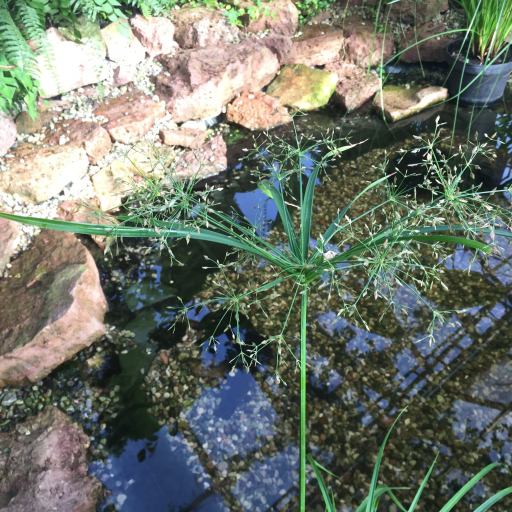
Known as the Cape Papyrus or Umbrella Sedge, this South African beauty is the "architect" of water gardens. With its striking geometric stems topped by explosive rays of green bracts, it looks like a collection of frozen fireworks. Traditionally used by the Zulu and Xhosa people for weaving intricate mats and baskets, it brings both structural elegance and historical depth to any pond edge or damp corner.
🔍 How to Identify
- 🌿 The Stems: Strong, leafless, and distinctly triangular stems that grow in dense, upright clumps, reaching up to 3-4 feet tall.
- 🌂 The "Umbrella": At the summit of each stem sits a crown of 15 to 20 stiff, leaf-like bracts that radiate outward like the spokes of a parasol.
- 🌾 The Flowers: Tiny, pale green spikelets cluster at the very center of the "umbrella" during the summer months, eventually turning a subtle papery brown.
🏡 In Your Garden
- 💧 Water Lovers: Unlike most garden plants, these thrive with "wet feet." They are the perfect choice for the margins of a pond or a decorative pot without a drainage hole, as they naturally inhabit riverbanks and marshes.
- ✂️ Vigorous Spreaders: Because they grow via underground rhizomes, they can be quite enthusiastic. If you want to prevent them from taking over a small water feature, it is best to keep them in a submerged container to restrict their "wandering" roots.
⚠️ Safety & Toxicity
- 🐾 Non-Toxic: Cyperus textilis is generally considered safe for cats, dogs, and horses. However, the grass-like texture is very tempting for pets to chew on, which can occasionally lead to minor tummy upsets.
- 🧤 Abrasive Edges: While not poisonous, the stems and bracts have a high silica content and can be quite sharp. It is wise to wear gardening gloves when pruning or dividing large clumps to avoid "paper cut" style irritations.
✨ Fun Fact
The species name textilis is a direct nod to its history; the stems are incredibly strong and flexible, making them a primary material for traditional South African amansi (sleeping mats) and finely woven beer strainers!

Detailed Care Instructions
To grow Cyperus Textilis, also known as the Southern Sedge or Umbrella Grass, follow these steps:
- Choose a suitable location: Cyperus Textilis thrives in full sun or partial shade. Find a spot in your garden that receives at least 6 hours of sunlight per day.
- Prepare the soil: This plant prefers moist soil, so make sure the soil is well-draining but retains moisture. Amend the soil with organic matter like compost or well-rotted manure to improve its fertility and moisture-holding capacity.
- Planting: If you are starting with seeds, sow them directly in the prepared soil or in seed-starting trays indoors. Cover the seeds lightly with soil and keep them moist. You can also propagate Cyperus Textilis by dividing established clumps or purchasing young plants from a nursery.
- Watering: Keep the soil consistently moist, but not waterlogged. Water the plant regularly, especially during dry periods. Mulching around the plant can help conserve moisture.
- Fertilization: Apply a slow-release fertilizer or organic compost in the spring to support plant growth. Follow the fertilizer package instructions for proper dosage.
- Maintenance: Remove any dead or yellowing foliage regularly to maintain the plant's appearance. Cyperus Textilis tends to spread, so consider planting it in a container or using a barrier to control its growth if desired.
- Protection: In colder regions, Cyperus Textilis may be sensitive to frost. Consider bringing potted plants indoors or covering them with a frost cloth during colder months.
- Pests and diseases: This plant is relatively disease-resistant, but it can be susceptible to aphids or spider mites. Regularly inspect the plant for any signs of infestation and treat them promptly with organic insecticidal soap or neem oil if necessary.
With proper care and maintenance, your Cyperus Textilis plant should grow and thrive, adding a touch of elegance to your garden or landscape.
Cyperus Textilis is a type of plant that requires watering in order to thrive. When watering this particular plant, it is important to do so in a manner that promotes healthy growth and avoids over or under-watering.
To water the Cyperus Textilis plant:
- Check the soil: Before watering, check the soil to see if it is dry to the touch. If the soil is still moist, wait a few days before watering.
- Use room temperature water: When watering, it is important to use room temperature water. Cold water can shock the plant, while hot water can damage the roots.
- Water from the bottom: Rather than pouring water on top of the soil, it is best to water this plant from the bottom. Place the pot in a tray of water and allow the soil to soak up the water for about 30 minutes before draining any excess water.
- Water sparingly: Cyperus Textilis is a plant that prefers to be kept on the drier side, so be careful not to over-water. Aim to water the plant once a week, or when the soil feels dry.
- Monitor the leaves: If the leaves start to turn yellow, it may be a sign that the plant is being over-watered. If this occurs, reduce the amount of water given to the plant.
By following these steps, you can ensure that your Cyperus Textilis plant is getting the proper amount of water and thriving in its environment.
To fertilize this plant, use a balanced fertilizer with equal amounts of nitrogen, phosphorus, and potassium. Apply the fertilizer every four to six weeks during the growing season. Be sure to water the plant well before and after fertilizing to avoid burning the roots. Avoid over-fertilizing, as this can lead to an excessive amount of growth that can weaken the plant.
The plant Cyperus Textilis requires a well-draining soil mix that is rich in organic matter. The ideal soil pH range for this plant is moderately acidic to slightly alkaline, with a pH level between 6.0 and 7.5. To create the perfect soil mix, combine loamy soil or sand with compost or peat moss and perlite or pumice. This will ensure that the soil provides adequate drainage and nutrients while preventing waterlogging of the plant's roots. Additionally, periodic repotting of the plant every 2-3 years will help to refresh the soil, promoting healthy growth and development of the plant.
To propagate this plant, you will need to start by selecting healthy and mature specimens from which to take cuttings. You can then proceed to carefully trim off sections of the plant, making sure to include at least 2-3 nodes in each cutting.
Next, you will want to prepare a suitable rooting medium for the cuttings. This can be a combination of soil and sand or perlite to ensure good drainage.
Once you have prepared your rooting medium, you can then insert the cuttings into the soil and water them thoroughly. Be sure to keep the soil moist but not overly wet, as this can lead to root rot.
Finally, you can place the cuttings in a warm, humid location where they will receive bright, indirect sunlight. Over time, the cuttings should begin to root and new growth will emerge from the nodes.
With proper care and attention, you can successfully propagate this plant and enjoy its beauty in your home or garden.








