Plant Overview
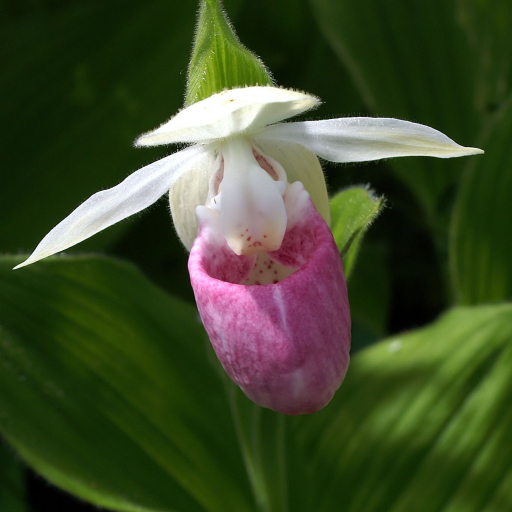
Commonly known as the Showy Lady's Slipper or the "Queen of the Orchids," Cypripedium reginae is arguably the most spectacular wild orchid in North America. As the state flower of Minnesota, it is celebrated for its regal appearance and its large, balloon-like "slipper" pouch. Finding one in a sun-dappled bog feels like stumbling upon a royal woodland court, though their rarity and slow growth make them a protected treasure in many regions.
🔍 How to Identify
- 🌸 The Pouch: A large, inflated labellum (lip) that is predominantly white but flushed with vibrant streaks of rosy pink or deep magenta.
- 🍃 Pleated Leaves: Broad, oval leaves that feature deep, parallel ribs or "pleats," giving the foliage a accordion-like texture.
- ❄️ Silvery Hairs: The entire stem and leaf surface are covered in fine, soft glandular hairs that catch the light, giving the plant a shimmering appearance.
- 📏 Impressive Stature: It is one of the tallest hardy orchids, often reaching 2 to 3 feet in height, standing much taller than its yellow or pink relatives.
🏡 In Your Garden
- 💧 Wetland Mimicry: This orchid is a "calciphile" that loves fens and swamps. In a garden, it requires a specialized "bog bed" with constant moisture and alkaline soil conditions—it will quickly wither in standard dry garden beds.
- 🍄 Fungal Friends: It relies on a complex symbiotic relationship with soil fungi (mycorrhizae) to absorb nutrients. Because of this, it is notoriously difficult to transplant; always purchase lab-propagated plants from reputable nurseries rather than harvesting from the wild.
- 🐢 Slow and Steady: Growth is a lesson in patience. It can take nearly a decade for a seedling to produce its first magnificent flower, but once established, it is remarkably long-lived.
⚠️ Safety & Toxicity
- 🚫 Skin Irritant: Handle with caution. The fine hairs on the leaves and stems contain a defensive oil called cypripedin. Touching the plant can cause a painful, itchy rash similar to poison ivy in many people.
- 🐾 Pet Safety: While not considered highly toxic if ingested, the irritating hairs can cause significant discomfort, drooling, or swelling of the mouth if chewed by pets. It is best kept in a fenced area of the garden.
✨ Fun Fact
A single Showy Lady's Slipper plant is a long-term investment in nature; in the right conditions, an individual plant can live for over 50 years, outlasting many of the trees that provide its shade!

Detailed Care Instructions
| Color | White Flower With Pink-Magenta Pouch |
| Soil Ph | Acid To Neutral |
| Humidity | Normal |
| Toxicity | Toxic |
| Soil Type | Moist, Fertile, Leafy, Humus-Rich Soil |
| Bloom Time | Between May And August Depending On Location |
| Difficulty | Hard |
| Plant Type | Orchid |
| Hibernation | Cold Period |
| Mature Size | 1 To 2 Ft. Tall |
| Native Area | Eastern North America |
| Temperature | 16°C - 26°C |
| Sun Exposure | Dappled Sun/Part Shade |
| Hardiness Zones | 2-5 And Cooler Parts Of 6, Usda |
Growing Cypripedium reginae, also known as the Showy Lady's Slipper, can be a rewarding experience due to its beautiful and unique flowers. However, it does require specific conditions to thrive as it is a temperamental plant. Here are detailed steps to help you grow Cypripedium reginae successfully:
1. Selecting the Right Location
- Light: Cypripedium reginae prefers partial shade, especially in the afternoon. Dappled sunlight is ideal.
- Protection: Choose a location protected from strong winds. These plants can be sensitive to harsh weather conditions.
2. Soil Requirements
- Soil Type: They thrive best in moist, well-draining, slightly acidic to neutral soils (pH 5.5 to 7.0). Adding organic matter like leaf mold, peat moss, or compost can help.
- Moisture: The soil should remain constantly moist but not waterlogged. Good drainage is essential to prevent root rot.
3. Planting
- Timing: The best time to plant Cypripedium reginae is in early spring or fall.
- Depth: Plant the rhizomes 1-2 inches deep with the bud facing upwards. Space them about 12-18 inches apart.
- Mulching: Apply a layer of mulch (such as pine needles or leaf litter) to help retain soil moisture and protect the roots.
4. Watering
- Frequency: Keep the soil evenly moist. Water the plants thoroughly once the top inch of soil dries out.
- Method: Avoid overhead watering; instead, water at the base to reduce the risk of fungal diseases.
5. Fertilization
- Type: Use a balanced, water-soluble fertilizer (e.g., 10-10-10) diluted to half strength.
- Frequency: Fertilize once a month during the growing season (spring to early summer). Avoid fertilizing during the dormant period.
6. Maintenance and Care
- Weeding: Keep the area around the plant free from weeds to reduce competition for nutrients and moisture.
- Pruning: Remove any yellowing or dead leaves to maintain plant health.
- Winter Care: Apply a thicker layer of mulch (4-6 inches) in the fall to protect the roots from freezing temperatures. Remove excess mulch in spring.
7. Pest and Disease Management
- Pests: Common pests include slugs and snails. Use bait or barriers to protect the plant.
- Diseases: They can be susceptible to fungal diseases like root rot. Ensure good air circulation and avoid waterlogging.
8. Division and Propagation
- Division: Every 3-4 years, you can divide the rhizomes in early spring or fall to propagate new plants. Ensure each division has at least one healthy bud and a good root system.
Additional Tips
- Patience: These plants can take a few years to establish and flower. Be patient and provide consistent care.
- Companions: Plant them with other moisture-loving, shade-tolerant plants to create a natural woodland setting.
By following these guidelines and paying close attention to their specific needs, you can successfully grow Cypripedium reginae and enjoy their stunning blooms.

Place in a window with dappled sun or a spot in the middle of a room. Or directly in a window facing west or east.

When watering Cypripedium reginae, it's important to replicate its natural habitat conditions to ensure healthy growth. Here are the detailed steps:
1. **Frequency:** Water the plant consistently, ensuring the soil stays moist but not waterlogged. Typically, during the growing season (spring to early fall), you should water it about once a week depending on weather conditions. Adjust the frequency based on rainfall and temperature; it might require more frequent watering in hot, dry periods.
2. **Water Quality:** Use rainwater, distilled water, or reverse osmosis water, as this type prefers low-mineral water. Avoid using hard tap water, which can contain high levels of dissolved salts and minerals that are detrimental to the plant.
3. **Method:** Water the plant gently at the soil level, avoiding overhead watering which can promote fungal diseases and damage flowers. A watering can with a narrow spout or a soaker hose is ideal for directing water efficiently to the base.
4. **Soil Moisture:** Ensure the planting medium drains well but retains moisture. A mix of organic materials like leaf mold, perlite, and fine bark is effective. The substrate should be consistently damp but never soggy; consider mulching to retain soil moisture and regulate temperature.
5. **Mulching:** Apply a layer of mulch around the base of the plant to maintain soil moisture, protect the roots from temperature fluctuations, and prevent erosion. Use organic mulch such as pine needles, shredded leaves, or finely shredded bark.
6. **Site Conditions:** Position the plant in an area with dappled sunlight or partial shade. Too much direct sunlight can dry out the soil quickly, while too much shade can inhibit flowering and growth. A spot with morning sun and afternoon shade is often ideal.
Regular monitoring and adjusting based on your specific environmental conditions are key to successful cultivation.
Here are the fertilizing instructions for Cypripedium reginae:
- Timing: Fertilize from spring to late summer. Begin fertilizing as new growth appears in spring and continue until the plant starts to go dormant in late summer.
- Frequency: Apply fertilizer every 2-4 weeks during the active growing season.
- Type of Fertilizer: Use a balanced, water-soluble fertilizer with an equal ratio of nitrogen, phosphorus, and potassium (e.g., 20-20-20).
- Dilution: Dilute the fertilizer to half the recommended strength to avoid over-fertilizing, which can harm the plant.
- Application: Apply the fertilizer around the base of the plant, being careful to avoid direct contact with the leaves or flowers. Water the plant thoroughly after fertilizing to help distribute the nutrients evenly into the soil.
- Organic Options: You can also use organic fertilizers such as compost tea or fish emulsion if you prefer. Apply these at the same frequency and with similar dilution as the synthetic options.
- Monitoring: Observe the plant for any signs of nutrient deficiency or excess, such as yellowing leaves or burnt tips, and adjust the fertilization schedule accordingly.
Remember to always water the plant well before and after fertilizing to prevent root burn and ensure the nutrients are properly absorbed.
Cypripedium Reginae thrives best in well-draining, organic-rich soil with a slightly acidic to neutral pH (around 5.0 to 7.0). Ideally, the soil should mimic its natural habitat, which is typically moist but not waterlogged. Here are specific guidelines for the soil requirements:
- Composition: The soil mix should be rich in organic matter and have good moisture-retentive properties without becoming soggy. A combination of components such as leaf mold, pine bark, and peat moss can create an ideal base. You may also incorporate well-decomposed compost for added organic matter.
- Drainage: Ensuring excellent drainage is crucial since stagnant water can cause root rot. You can enhance drainage by mixing in perlite, sand, or fine gravel. This helps to prevent water from accumulating around the roots.
- pH Level: The preferred pH range for Cypripedium Reginae is mildly acidic to neutral (around 5.0 to 7.0). If your soil is too alkaline, amending it with sulfur or peat moss can help lower the pH. Conversely, if the pH is too low, adding lime can raise it.
- Aeration: The soil should be well-aerated to allow proper air circulation around the roots. Use components that do not compact easily to maintain aeration over time.
- Moisture: The plant requires consistently moist soil but not waterlogged conditions. Therefore, the soil mix must hold moisture well while providing adequate drainage to prevent water stagnation.
For planting Cypripedium Reginae, strive to replicate its natural woodland environment by using a rich, well-draining, and moisture-retentive soil mix with the appropriate pH. Monitor and adjust moisture levels carefully to promote healthy growth.
Propagating Cypripedium Reginae, also known as the showy lady's slipper, can be a rewarding but challenging task due to its specific requirements and slow growth rate. Here are detailed steps and considerations for propagation:
Propagation by Division
This is the most reliable method to propagate Cypripedium Reginae.
- Timing:
- The best time to divide is in early spring (before new growth starts) or in late summer to early fall (when the plant is dormant).
- The best time to divide is in early spring (before new growth starts) or in late summer to early fall (when the plant is dormant).
- Tools and Preparation:
- Use a sharp, sterile knife or garden spade to make clean cuts.
- Prepare suitable containers or garden beds with well-draining, organic-rich soil.
- Use a sharp, sterile knife or garden spade to make clean cuts.
- Digging Up the Plant:
- Carefully lift the entire plant clump from the ground without damaging the root system.
- Gently wash off the soil to expose the roots and rhizomes.
- Carefully lift the entire plant clump from the ground without damaging the root system.
- Division:
- Identify natural divisions in the clump, which may be easier in older plants.
- Each division should have at least one bud or growing tip and several healthy roots.
- Make clean cuts to separate the divisions.
- Identify natural divisions in the clump, which may be easier in older plants.
- Replanting:
- Plant each division in a prepared location with similar soil and light conditions to the original site.
- Ensure rhizomes are covered with about an inch of soil.
- Water thoroughly but avoid waterlogging, as this species dislikes excessive moisture around the roots.
Propagation by Seed
This method is more complex and requires specific conditions.
- Plant each division in a prepared location with similar soil and light conditions to the original site.
- Pod Collection:
- Allow the seed pods to ripen on the plant. They are ready when they turn brown and begin to split open.
- Harvest the seeds carefully to avoid losing them, as they are very small and dust-like.
- Allow the seed pods to ripen on the plant. They are ready when they turn brown and begin to split open.
- Sterilization:
- Sterilize the seeds with a weak bleach solution (10% bleach, 90% water) for about 10 minutes to eliminate potential pathogens.
- Rinse the seeds thoroughly with sterile water afterward.
- Sterilize the seeds with a weak bleach solution (10% bleach, 90% water) for about 10 minutes to eliminate potential pathogens.
- Media Preparation:
- Create a nutrient-rich, sterile orchid growing medium, such as a mixture of finely ground fir bark, perlite, and sphagnum moss.
- Alternatively, use specialized orchid media available commercially.
- Create a nutrient-rich, sterile orchid growing medium, such as a mixture of finely ground fir bark, perlite, and sphagnum moss.
- Sowing:
- Sow the seeds on the surface of the media without covering them, as they require light for germination.
- Mist the surface lightly with water.
- Sow the seeds on the surface of the media without covering them, as they require light for germination.
- Environment:
- Maintain high humidity (around 70-80%) and moderate temperatures (68-75°F or 20-24°C).
- Provide bright, indirect light to ensure successful germination.
- Maintain high humidity (around 70-80%) and moderate temperatures (68-75°F or 20-24°C).
- Germination and Growth:
- Germination can take several weeks to months.
- Once seedlings have developed a few leaves and small root systems, they can be transplanted into individual pots or a more suitable growing medium.
General Care Tips
- Germination can take several weeks to months.
- Light: Prefers partial to full shade, especially in hot climates.
- Soil: Needs well-draining, humus-rich soil with an acidic to neutral pH.
- Watering: Keep the soil consistently moist but not waterlogged.
- Temperature: Hardy to USDA zones 2-7, but may require mulching or protection in colder regions.
Patience Required
Remember that Cypripedium Reginae is a slow-growing plant, and building a healthy clump may take several years. With careful attention to their needs, you can enjoy the beautiful blooms and unique foliage of these rare and treasured plants.








